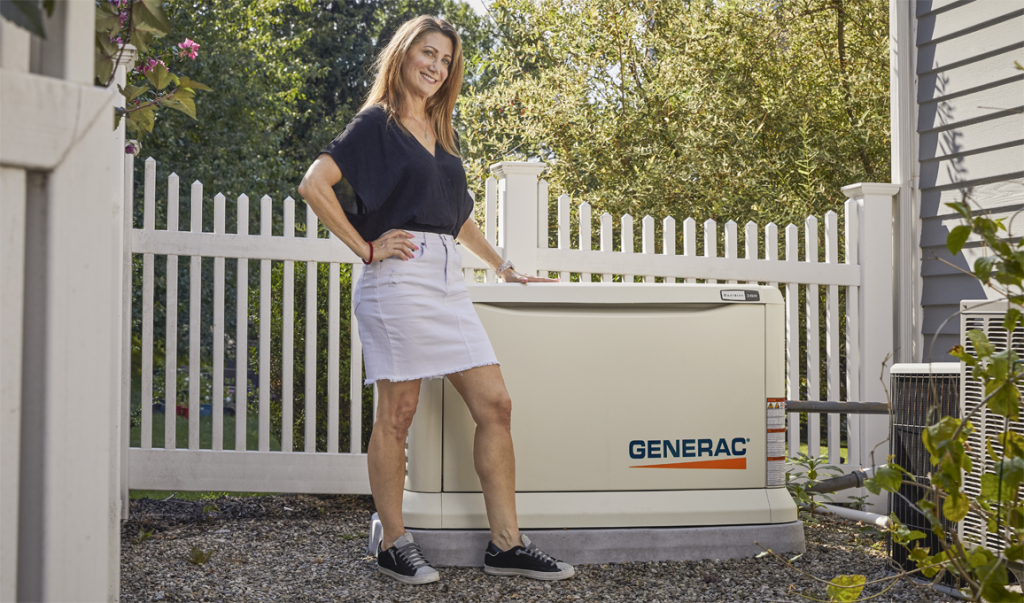
Choosing the right home standby generator can feel overwhelming, especially with so many options on the market. But imagine the peace of mind you’ll have, knowing your home will stay powered through any outage.
No more spoiled food, no lost work hours, and no interruptions in your daily life. You’re here because you want that assurance, and you’re in the right place. This guide will make the decision process straightforward and stress-free, helping you select the perfect generator for your needs.
Keep reading to discover how to make a choice that guarantees comfort and security for you and your loved ones.
Benefits Of A Home Standby Generator
Power reliability during outagesmeans your home keeps running even when the grid goes down. A standby generator starts automatically and powers your lights, fridge, and heater. This helps avoid food spoilage and keeps your family comfortable.
Safety and security enhancementscome with backup power. Lights stay on, so you can see around your home at night. Security systems and alarms keep working to protect your house.
Convenience and comfortincrease as you don’t need candles or noisy portable generators. No more worrying about manual start or refueling. The generator runs quietly and keeps your daily life normal.

Credit: www.angi.com
Types Of Home Standby Generators
Natural gasis often cheaper and has a steady supply. It connects directly to your home’s gas line. Propaneis stored in tanks and works well in areas without gas lines. Propane tanks need refilling.
Portable generatorscan be moved and used in different places. They are good for short power outages. Permanently installed generatorsare fixed outside your home. They start automatically during power loss and need less work.
Automatic startgenerators turn on by themselves when the power goes out. They keep your home running without you doing anything. Manual startgenerators need you to start them by hand. They are cheaper but require more effort.
Sizing Your Generator
Calculating power needs starts with listing essential appliances. These include lights, refrigerator, and heating systems. Add the wattage of each device to find total required power. Consider starting watts, which are higher for some appliances like air conditioners.
Essential coverage means powering only critical items during an outage. Whole-house coverage powers everything, including non-essential devices. Whole-house generators need more capacity and cost more.
Future power needs might grow if new appliances are added. Plan for extra capacity to avoid buying a new generator soon. A generator with 20-30% more power than current needs is a smart choice.
Key Features To Consider
Fuel efficiencyimpacts how much fuel the generator uses over time. Choose models that consume less fuel but deliver enough power for your needs. Efficient generators save money and last longer.
Noise levelsmatter if you live close to neighbors. Look for generators with low decibel ratings. Quieter machines cause less disturbance and make your home environment more peaceful.
Transfer switch optionscontrol how power moves from the utility to the generator. Automatic switches turn on the generator quickly after a power outage. Manual switches need you to start them yourself.
Maintenance and durabilityaffect how long the generator lasts. Choose models with easy-to-access parts and clear instructions. Durable generators handle bad weather and keep working for years.
Installation And Permitting
Professional installationensures safety and meets all local rules. Experts know how to connect your generator to your home’s power system.
DIY installationcan save money but risks mistakes. Incorrect setup can cause damage or danger.
Check local codesbefore installation. Permits are often required to install a standby generator legally.
Choosing the right locationis key. Place the generator where it gets good airflow to avoid overheating.
Keep the generator away from doors and windows. This reduces the risk of harmful fumes entering your home.
Budget And Cost Factors
The upfront purchase priceof a home standby generator varies by size and brand. Smaller units cost less but may not power all home appliances. Larger units have higher prices but support more devices.
Installation expensesinclude wiring, permits, and labor costs. Complex setups or older homes may need extra work, increasing the price. Always budget for professional installation to ensure safety.
Operating and maintenance costsinvolve fuel, oil changes, and routine checks. Natural gas is often cheaper than propane. Regular maintenance keeps the generator reliable and extends its life.
Top Brands And Models
Several top brandsmake reliable home standby generators. Popular choices include Generac, Kohler, and Briggs & Stratton. These brands offer models with different power levelsto fit various home sizes.
Popular modelsoften feature automatic start, quiet operation, and durable build. Many users prefer Generac’s Guardian series for its strong performance.
| Brand | Model | Power Output (kW) | Warranty |
|---|---|---|---|
| Generac | Guardian 22kW | 22 | 5 Years |
| Kohler | 14RESCL | 14 | 5 Years |
| Briggs & Stratton | 40346 | 20 | 5 Years |
Warranty and supportare vital. Most top brands offer a 5-year limited warranty. Customer service availability and local dealer support add value.
- Check if warranty covers parts and labor.
- Look for 24/7 technical support options.
- Local service centers help with faster repairs.
User reviewsgive real insights. High ratings often relate to easy installation, low noise, and reliable operation. Negative reviews may mention maintenance issuesor delayed support.

Credit: www.cummins.com
Tips For Long-term Care
Keep your home standby generator working well by doing routine maintenance. Check oil levels and change oil regularly. Replace air and fuel filters as needed. Clean the generator to avoid dust build-up. Test the battery and replace it if it shows weakness. Run the generator monthly to keep parts moving smoothly.
For common issues, listen for strange noises or vibrations. Check for fuel leaks or odors. If the generator won’t start, ensure the fuel tank is full and the battery is charged. Reset circuit breakers if power stops. Refer to the manual for simple fixes.
Consider upgrading or replacingif the generator is over 10 years old or needs frequent repairs. Newer models are more efficient and quieter. Also, upgrade if your power needs have grown or the generator cannot handle new appliances.

Credit: anrelectricco.com
Frequently Asked Questions
What Size Home Standby Generator Do I Need?
Choosing the right size depends on your essential appliances and total wattage. Calculate your home’s power needs to pick an efficient generator.
How Does A Home Standby Generator Work?
It automatically detects power outages and starts supplying electricity within seconds, ensuring seamless power backup without manual intervention.
What Fuel Types Are Best For Home Generators?
Common fuels include natural gas, propane, and diesel. Natural gas is popular due to availability and cleaner emissions.
How Often Should I Maintain My Standby Generator?
Regular maintenance every 6 to 12 months keeps the generator reliable. Check oil, filters, and battery to ensure optimal performance.
Conclusion
Choosing the right home standby generator keeps your family safe and comfortable. Think about your power needs and budget first. Check the fuel type and how much noise it makes. Size matters—get one that fits your home’s demands. Installation and maintenance are important too.
A good generator works quietly and reliably during outages. Take your time to compare options carefully. This helps avoid surprises later. Power outages don’t have to disrupt your life. A smart choice brings peace of mind every day.