Are you planning to power your home or outdoor event with a generator? If so, choosing the right extension cord is crucial.
The wrong cord can lead to power inefficiencies, safety hazards, or even damage your equipment. But how do you know which one is right for you? In this guide, you’ll discover the key factors to consider when selecting an extension cord for your generator.
From length and gauge to material and plug type, we’ve got you covered. By the end of this article, you’ll be equipped with the knowledge to make a safe and effective choice. Stay tuned to ensure your power needs are met without a hitch.
Why Extension Cord Choice Matters
Using the wrong extension cordfor a generator can cause serious problems. It might overheatand start a fire. The generator may not work well or could get damaged. This happens because cords have limits on how much power they carry.
Choosing a cord with the right wire gaugeand lengthis very important. A thin or too long cord can reduce powerflow. This makes the generator work harder and can cause voltage drop, which harms devices.
| Risk | Effect on Generator |
|---|---|
| Using thin wire | Overheats and wastes energy |
| Too long cord | Voltage drop, poor performance |
| Wrong plug type | Connection problems, damage risk |
Key Cord Specifications
Gaugemeasures the thickness of the wire inside the cord. A lower gauge numbermeans a thicker wire. Thicker wires carry more power safely. For generators, use cords with a gauge of 12 or lower for heavy loads.
Cord lengthaffects power delivery. The longer the cord, the more power loss happens. Choose the shortest cord that reaches the generator and the device. This keeps voltage stable and devices safe.
| Power Rating (Watts) | Recommended Gauge | Max Cord Length |
|---|---|---|
| Up to 1,500W | 16 gauge | 50 feet |
| 1,500W to 3,000W | 14 gauge | 50 feet |
| 3,000W to 5,000W | 12 gauge | 100 feet |
| Over 5,000W | 10 gauge or thicker | 100 feet |
Amperageshows how much current the cord can handle. Check the generator’s output and device needs. The cord must support at least that many amps without overheating.
Types Of Extension Cords For Generators
Indoor extension cordsare designed for dry, protected areas. They have thinner insulation and are not safe for outdoor use. Using indoor cords outside can cause electric shock or fire.
Outdoor extension cordshave thick, durable insulation. They resist moisture, sunlight, and temperature changes. Outdoor cords are best for generators used in yards or open spaces.
Heavy-duty cords carry more power safely. They have thicker wires and strong plugs. Choose heavy-duty cords to handle the generator’s load without overheating.
Weather-resistant cords protect against rain, dirt, and rough handling. They last longer and keep electricity flowing safely in tough conditions.
| Type | Use | Features |
|---|---|---|
| Indoor | Dry, indoor areas | Thin insulation, not water-resistant |
| Outdoor | Outside, wet or rough areas | Thick insulation, water and weather-resistant |
| Heavy-Duty | High power needs | Thicker wires, stronger plugs |
| Weather-Resistant | Wet, dirty, or tough environments | Durable, long-lasting, safe |

Credit: www.premium-electric.ca
Safety Features To Look For
Groundingis key to prevent electric shocks. Choose cords with a ground wirefor safety. Insulationprotects against cuts and weather. Thick insulation means less chance of damage.
UL Listingensures the cord meets safety standards. Always pick cords with a UL mark. Certified cords have passed tests for quality and fire resistance.
| Feature | Why It Matters |
|---|---|
| Grounding | Prevents electric shock by directing electricity safely. |
| Insulation | Protects wires from damage and weather effects. |
| UL Listing | Shows the cord meets strict safety and quality rules. |
Avoiding Common Mistakes
Overloading an extension cordcan cause it to overheat and fail. Check the cord’s amp ratingbefore use. Never connect devices that draw more power than the cord allows. Use cords with the right wire gaugefor your generator’s output. Thicker wires (lower gauge numbers) handle more current safely.
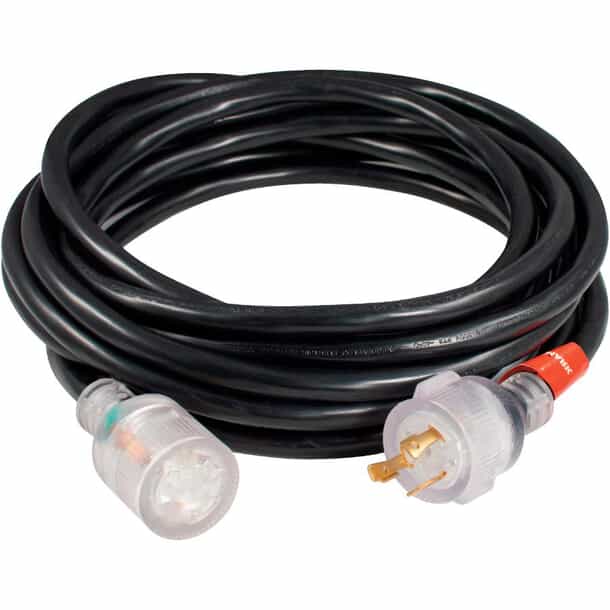
Using a damaged or incompatible cordis risky. Look for cuts, frays, or exposed wires. Replace any cord that shows wear. Avoid cords not rated for outdoor or generator use. Cords with the wrong plug or voltage can cause sparks or damage equipment.
Credit: www.homehardware.ca
Proper Cord Maintenance
Store extension cordsin a cool, dry place away from sunlight. Avoid folding or bending cords tightly to prevent damage. Use cord reels or hooks for neat storage. Keeping cords off the ground helps avoid moisture and dirt buildup.
Regularly check cords for cuts, cracks, or frayed wires. Look for damaged plugs or loose connections. Replace any damaged cord immediately to avoid safety risks. Clean cords with a dry cloth to remove dust and dirt.
Connecting And Operating Tips
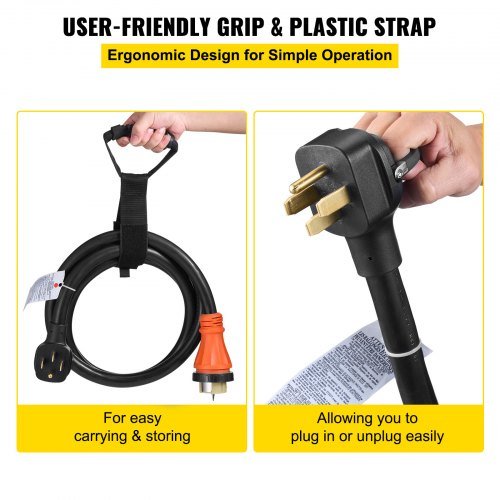
Always ensure the extension cordfits the generator’s plug securely. Loose connections can cause sparks or damage. Use cords rated for outdoor use to avoid water risks. Keep cords away from sharp objects and heat sources.
Plug the extension cord into the generator first, then connect to your device. This reduces the risk of electric shock. Avoid overloading the cord by checking its amp ratingmatches the generator’s output. Use cords with thick wire gauges to handle higher power safely.
- Use cords with shorter lengthto reduce voltage drop.
- Choose cords with larger wire gaugefor longer distances.
- Keep cords untangled and straight for better performance.
- Monitor devices for signs of low power or flickering lights.

Credit: www.vevor.ca
Frequently Asked Questions
What Gauge Extension Cord Is Best For Generators?
A lower gauge number means a thicker wire, which handles more power. For generators, use 12 or 10 gauge cords for safety and efficiency.
How Long Should My Generator Extension Cord Be?
Keep the cord as short as possible to reduce power loss. Ideally, use cords under 50 feet for optimal performance.
Can I Use Indoor Extension Cords With Generators?
No, indoor cords lack proper insulation and durability. Always use heavy-duty, outdoor-rated extension cords for generators to prevent hazards.
How Do I Know The Right Extension Cord Amperage?
Check your generator’s output amperage and match it with the cord’s rating. The cord should support at least your generator’s maximum load.
Conclusion
Choosing the right extension cord keeps your generator safe and working well. Check the cord’s length and thickness to match your power needs. Always pick cords made for outdoor use and high power loads. Avoid cords that look worn or damaged.
Remember, a good cord helps prevent accidents and power loss. Take time to find one that fits your generator perfectly. Stay safe and keep your devices running smoothly. Simple steps make a big difference.