Are you struggling to find the perfect extension cord for those long-distance projects? The right extension cord can make all the difference, ensuring safety, efficiency, and convenience.
But with so many options out there, how do you know which one is right for your needs? In this guide, you’ll discover the key factors that will help you choose the ideal extension cord for long distances. You’ll learn what to look for in terms of length, gauge, and durability, making your decision a breeze.
Don’t risk a wrong choice that could lead to overheating or power loss—stick around and empower yourself with the knowledge to make the best choice possible. Dive in and find out how to ensure your projects run smoothly and safely!
Credit: www.walmart.com
Cord Length And Distance
Measure the distance between the power source and the device carefully.
Use a tape measure or a piece of string to get the exact length.
Add a little extra length to avoid tension on the cord.
Choosing the right extension cord length helps prevent accidents.
Too short cords can cause stretching and damage.
Too long cords can cause clutter and trip hazards.
Pick a cord that is just a bit longer than the distance.
Gauge And Thickness
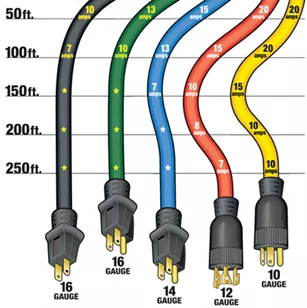
Wire gaugeshows the thickness of the cord’s wire. Lower numbers mean thicker wire. Thicker wire can carry more power safely.
Choosing the right gauge depends on the power needsand distance. Longer cords need thicker wires to avoid power loss and overheating.
| Wire Gauge (AWG) | Maximum Power Capacity (Amps) | Recommended Use |
|---|---|---|
| 16 | 10 | Light tools, lamps |
| 14 | 15 | Small appliances, power tools |
| 12 | 20 | Heavier tools, outdoor equipment |
| 10 | 30 | Large equipment, long distances |
Power Requirements
Calculate the total wattageof all devices that will use the extension cord. Add the wattage of each device to get the total power needed.
Check the voltagerating of your power source. Most homes use 120 volts or 240 volts.
Voltage drophappens when power travels a long distance through the cord. It can make devices work poorly or not at all.
Use a thicker wire or a shorter cord to reduce voltage drop. Thicker wires have lower resistance.
| Wire Gauge | Max Length (ft) | Suitable Wattage |
|---|---|---|
| 16 AWG | 50 | Up to 1,625 watts |
| 14 AWG | 100 | Up to 3,000 watts |
| 12 AWG | 150 | Up to 4,800 watts |

Credit: lifesupplyusa.com
Cord Type And Material
Indoor cordshave lighter insulation for dry places. They are not made to handle wet or rough conditions. Outdoor cordshave thick insulation to protect against moisture, sun, and dirt. They are stronger and last longer outside.
Material matters for durability and safety. Cords with rubber or vinyl insulationresist cracking and breaking. These materials protect wires inside from damage. Choose cords with good insulationto avoid electric shocks and short circuits.
| Cord Type | Best For | Insulation | Durability |
|---|---|---|---|
| Indoor | Dry, indoor use | Thin, light | Less durable |
| Outdoor | Wet, rough, outdoor use | Thick, heavy | Highly durable |
Safety Features
Overload protectionhelps prevent damage from too much power. It stops the cord from getting too hot or causing fires. This feature is important for long extension cords because power loss can happen over distance. Some cords have built-in circuit breakers that cut off power if the load is too high. This keeps devices and users safe.
Weather resistanceis key for outdoor use. Extension cords should resist rain, sun, and cold. Look for cords with thick, durable insulation and water-resistant coatings. These materials stop moisture from entering and causing shorts or shocks. A weather-resistant cord lasts longer and works better in tough conditions.

Credit: ev-lectron.com
Connector And Plug Options
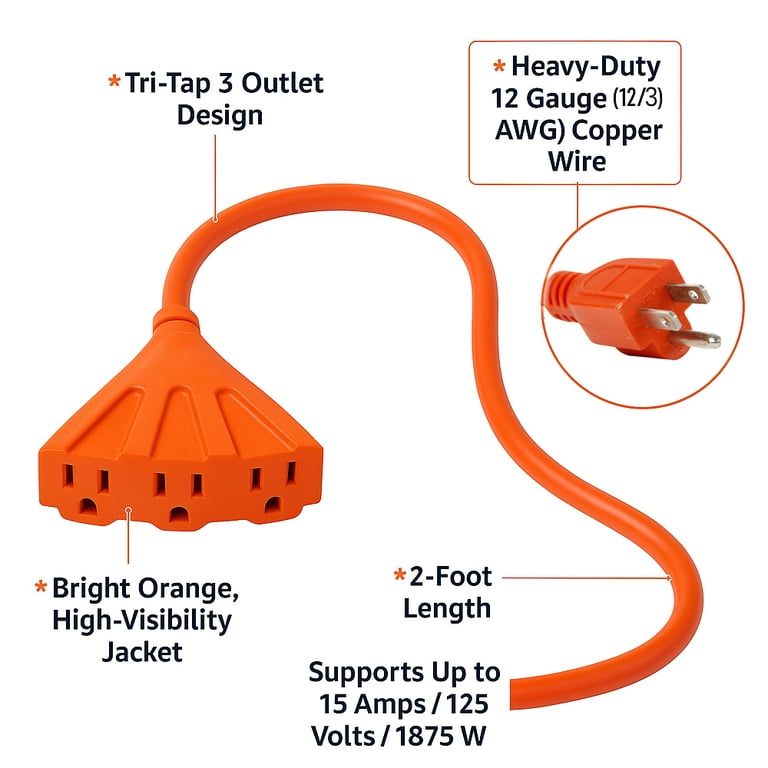
Grounded plugshave three prongs. The third prong is for safety. It helps stop electric shocks. Ungrounded plugshave two prongs. They are less safe for outdoor or heavy use. Use grounded plugs for tools and appliances that need more power.
Check the plug typebefore buying an extension cord. The cord must match your device’s plug. Some devices need special plugs like three-prong or flat blades. Using the wrong plug can cause damage or stop the device from working.
| Plug Type | Use Case | Safety |
|---|---|---|
| Grounded (3-prong) | Heavy tools, outdoor equipment | High safety, prevents shocks |
| Ungrounded (2-prong) | Small devices, indoor use | Lower safety, not for wet areas |
Storage And Portability
Cord reelshelp keep extension cords neat and tangle-free. They make storage easier and protect cords from damage. Using a reel saves space and lets you pull out only the length needed.
Organizerslike hooks or wraps keep cords tidy. They prevent knots and help find cords quickly. Good organizers also protect cords from dirt and wear.
- Choose lightweight reels for easy carrying.
- Look for reels with handles or wheels for better mobility.
- Use labeled organizers to spot cords fast.
- Store cords in dry places to avoid damage.
- Keep cords coiled properly to avoid kinks.
Budget Considerations
Choosing the right extension cordmeans balancing cost and quality carefully. A cheap cord might save money now, but it may not last long or work safely. A good cord costs more but is a better long-term investment. It can handle the power without overheating or breaking.
Think about how often you will use the cord. For rare use, a mid-range cord may be enough. For regular or heavy use, spend a bit more on a strong, durable cord. This saves money on replacements and repairs later.
- Cheaper cords: lower cost, less durable, might not support heavy loads
- Mid-range cords: good balance of price and quality
- High-quality cords: longer life, safer for heavy use, higher price
Investing in quality helps avoid risks like fires or electrical shocks. It also means fewer problems and better performance over time.
Frequently Asked Questions
What Length Of Extension Cord Is Suitable For Long Distances?
Choose an extension cord longer than your required distance. Avoid excessive length to prevent power loss and voltage drop. Measure accurately to ensure safety and efficiency.
How To Determine The Right Wire Gauge For Long Cords?
Select a lower gauge number for longer cords. Thicker wires (lower gauge) reduce voltage drop and overheating risks. Check amp rating to match your device’s power needs.
Can Outdoor Extension Cords Be Used For Long Distances?
Yes, outdoor extension cords are ideal for long distances. They are weather-resistant and durable, ensuring safety in various conditions. Always check the cord’s rating for your specific use.
Why Is Voltage Drop Important In Long Extension Cords?
Voltage drop reduces power efficiency and may damage devices. Longer cords increase voltage drop, so choose thicker wires to maintain voltage. This ensures safe and reliable power delivery.
Conclusion
Choosing the right extension cord for long distance matters a lot. Pick one with the correct wire gauge and length. Think about the power needs of your tools or devices. Avoid cords that are too thin or too short. Safety comes first to prevent overheating or power loss.
A good extension cord keeps your work smooth and safe. Take time to compare options before buying. This helps you get the best fit for your needs. Simple steps lead to smart choices every time.