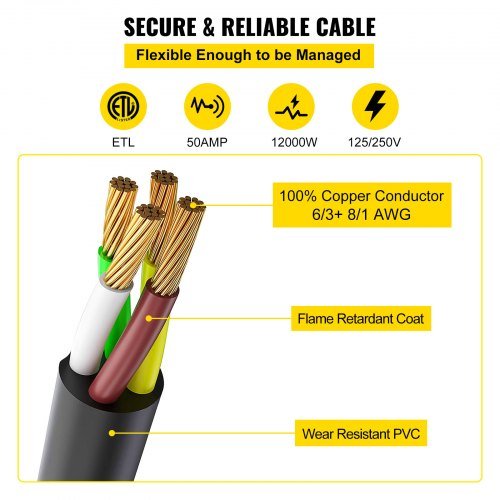
Are you looking to power up your generator but feeling overwhelmed by the maze of cables? Choosing the right flexible generator power cable is crucial for ensuring safety, efficiency, and longevity of your equipment.
The wrong cable can lead to costly damages and frustrating downtime. You deserve peace of mind knowing that your power supply is reliable and secure. In this guide, you’ll discover straightforward tips to help you make the best choice for your needs.
From understanding cable ratings to knowing the ideal length, we’ve got you covered. Stay with us, and let’s unravel the mystery of flexible generator power cables together.

Credit: www.amazon.com
Types Of Flexible Generator Cables
Rubber insulated cablesare tough and flexible. They work well in harsh places. These cables resist heat, oil, and water. Good for outdoor use and heavy machines.
PVC flexible cablesare lighter and cheaper. They handle heat and moisture but not as strong as rubber cables. Best for indoor use and light tools.
Silicone flexible cablesstay soft in cold weather. They resist heat very well. Used in places with very high or low temperatures. Good for special machines and outdoor work.

Credit: www.amazon.com
Key Cable Specifications
The current carrying capacityshows how much electric current a cable can safely handle. Choosing a cable with the right capacity prevents overheating and damage.
Voltage ratingtells the maximum voltage the cable can carry. Using a cable with too low voltage rating can cause failures or hazards.
Temperature resistanceis important for cables used in hot or cold places. Cables must stay safe and work well in different weather conditions.
Cable Size And Length Considerations
Cable gaugeis key for safe and efficient power delivery. Thicker cables carry more current without overheating. Choosing the right gauge depends on the generator’s power output and connected devices.
Cable lengthalso affects performance. Longer cables cause more voltage drop, reducing power at the tool or appliance. To avoid this, use thicker cables for longer runs or keep cable length short.
| Length (feet) | Recommended Cable Gauge (AWG) |
|---|---|
| 0-25 | 12 |
| 26-50 | 10 |
| 51-100 | 8 |
Choose cables that match both the gaugeand lengthneeds. This keeps power steady and cables safe.
Safety Features To Look For
Insulation qualityis key for safe power cables. It protects against electric shocks and short circuits. Look for cables with thick, high-grade insulationthat can handle high voltage. Good insulation also prevents heat buildup, lowering fire risks.
Durability and flexibilitymatter. Cables must bend easily without breaking. Flexible cables last longer in tight spaces and moving setups. Choose cables with materials that resist cracking and wear over time.
Weather and chemical resistancekeep cables safe outdoors and in harsh spots. Cables should withstand rain, sun, and cold without damage. Resistance to oils, acids, and chemicals is important for industrial use.
Connector Types And Compatibility
Generators use different types of connectors. The most common are twist-lock, pin-and-sleeve, and standard plugconnectors. Each type fits specific power needs and equipment.
Choosing the right connector means checking compatibilitywith your generator and devices. The connector must match the voltage, amperage, and plug designof your equipment.
| Connector Type | Use | Voltage/Amperage |
|---|---|---|
| Twist-Lock | Heavy-duty equipment | 120/240V, 20-50A |
| Pin-and-Sleeve | Industrial and commercial | 208-600V, up to 100A |
| Standard Plug | Light appliances | 120V, 15-20A |
- Match the connector to the generator’s outlet type.
- Check the cable’s voltage and current rating.
- Use connectors with proper safety certifications.
Installation Tips For Flexible Cables
Flexible generator power cables need careful handling to avoid damage. Protect cables from sharp edges and heavy objects. Avoid bending cables tightly; keep bends gentle to prevent breaks inside. Use cable ties or clamps to secure cables and stop movement.
Route cables away from heat sources and water. Keep cables off the ground when possible to avoid wear. Check cables regularly for cuts or wear spots. Replace damaged cables immediately to keep safety high.
Maintenance And Troubleshooting
Check flexible generator power cables often for any visible damage. Look for cracks, cuts, or worn insulation. Clean cables gently to remove dirt and dust. Keep connections tight and secure to avoid power loss. Replace cables showing signs of wear or damage to keep safety high.
Common problems include cable overheating, loose connections, and broken wires. Overheating may happen if the cable is too thin for the load. Tighten loose connections to stop sparks or power drops. Broken wires inside the cable cause power failure and must be fixed or replaced.
| Issue | Cause | Fix |
|---|---|---|
| Overheating | Undersized cable for power load | Use a thicker cable with proper rating |
| Loose Connections | Vibration or improper fitting | Tighten all connectors and terminals |
| Broken Wire | Physical damage or bending | Replace damaged cable immediately |
Budgeting And Quality Balance
Choosing the right flexible generator power cable means balancing costand performance. Cheaper cables may seem good but can wear out fast or be unsafe. Expensive cables often last longer and work better, but they may not always be the best fit for your needs.
Focus on cables that meet safety standards and fit your generator’s power needs. Quality cables reduce risks like overheating or electrical faults. It is smart to invest in durability and safety rather than just price.
Reliable brands and trusted sellers provide quality assurance. They usually offer warranties and customer support. Avoid unknown brands or very low-priced cables. These might not meet safety rules or last long.
| Factor | What to Consider |
|---|---|
| Cost | Balance price with quality and safety |
| Performance | Check cable rating and flexibility |
| Brand | Choose well-known and trusted brands |
| Source | Buy from reliable sellers or stores |

Credit: www.amazon.com
Frequently Asked Questions
What Is A Flexible Generator Power Cable?
A flexible generator power cable is designed for easy handling and durability. It connects generators to power systems. Its flexibility prevents damage from bending. It suits varied environments and frequent movement. Choosing the right cable ensures safety and efficient power transmission.
How To Determine The Right Cable Size?
Calculate the cable size based on generator output and distance. Consider current capacity, voltage drop, and safety factors. Oversized cables reduce voltage loss but increase cost. Undersized cables risk overheating and power failure. Always follow manufacturer guidelines and electrical codes.
Why Choose Flexible Over Rigid Cables?
Flexible cables offer better maneuverability and resistance to bending stress. They are ideal for portable generators and dynamic setups. Rigid cables can crack or break under repeated movement. Flexibility enhances safety and longevity in harsh conditions.
What Insulation Types Are Best For Generator Cables?
Look for insulation materials like PVC, rubber, or XLPE. These provide heat resistance, water protection, and flexibility. The choice depends on operating temperature, environment, and mechanical stress. Proper insulation prevents electrical hazards and cable degradation.
Conclusion
Choosing the right flexible generator power cable ensures safety and efficiency. Focus on cable size, material, and length for your needs. A good cable lasts longer and handles power well. Always check the cable’s rating before use. Proper selection prevents damage and power loss.
Trust your judgment and choose wisely. Good cables keep your generator working strong. Simple steps make a big difference. Stay safe and power up with confidence.