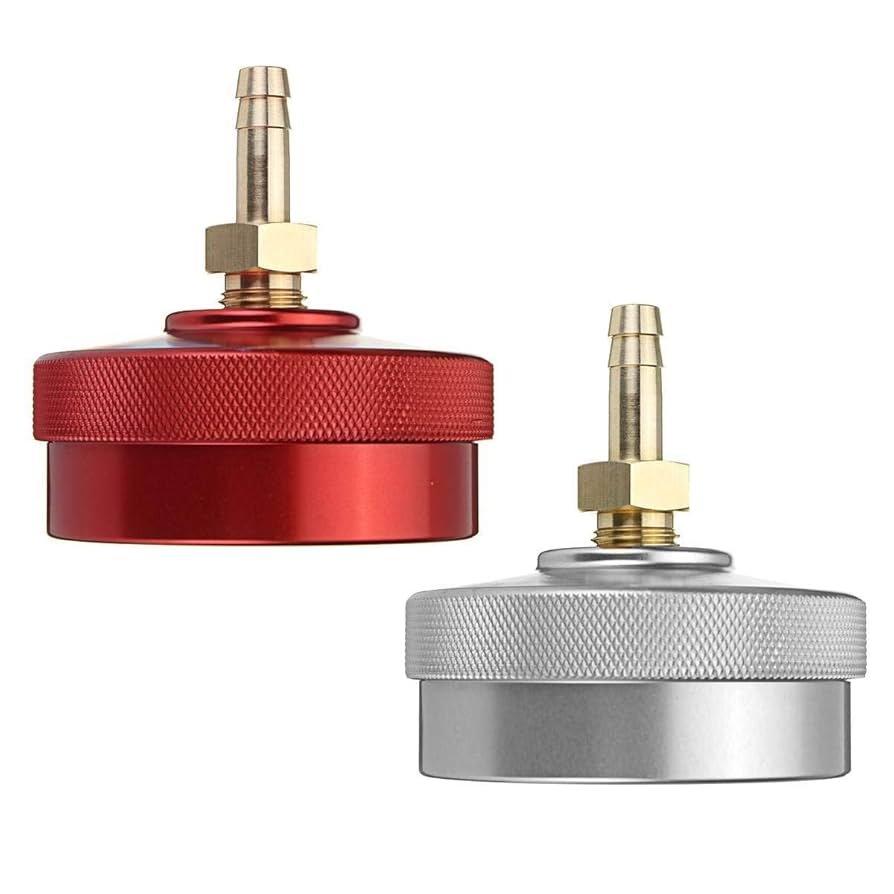
Choosing the right fuel can for your generator might seem like a simple task, but the truth is, it can make a significant difference in your generator’s performance and safety. Imagine finding yourself in a situation where your generator is crucial—perhaps during a power outage or a camping trip—and the last thing you want is a fuel mishap.
By selecting the right fuel can, you can ensure your generator runs smoothly and efficiently, providing you with peace of mind and reliable power when you need it most. In this guide, you’ll discover the key factors to consider, helping you make an informed decision with confidence.
Ready to fuel your generator the right way? Let’s dive in!

Credit: crossfirewelders.com
Types Of Fuel Cans
Metal fuel cansare strong and last long. They resist damage better than plastic. Metal cans are good for storing fuel safely for a long time. They also protect fuel from sunlight and heat.
Plastic fuel cansare lighter and easier to carry. They often have a built-in spout for easy pouring. Plastic cans are less expensive but may get damaged faster. Make sure they are made from fuel-safe plastic to avoid leaks.
Approved fuel containers have labels showing they meet safety standards. These containers prevent spills and leaks. Using approved cans reduces fire risk and environmental harm.
| Capacity | Use |
|---|---|
| 1 to 2 gallons | Small generators or short trips |
| 3 to 5 gallons | Medium generators or longer use |
| Above 5 gallons | Large generators or extended backup |
Key Features To Consider
Durabilityis key for fuel cans. Choose cans made of high-quality materialslike heavy-duty plastic or metal. These resist cracks and leaks. A strong build keeps fuel safe during transport and storage.
The spout designaffects how easy it is to pour fuel. Look for cans with a flexible, long spoutthat fits generator openings. A spout with a venthelps fuel flow smoothly and prevents spills. Easy pouring means less mess and waste.
- Safety featuresprotect you and the environment.
- Choose cans with a child-resistant capto prevent accidents.
- Spill-proof lidsstop leaks during transport.
- Look for clear labelingto avoid confusion with other liquids.
Fuel Compatibility
Gasolinefuel cans are common and easy to find. They are best for generators that run on gasoline. These cans often have a spout to help pour safely. Use only cans marked for gasoline to avoid leaks or spills.
Dieselfuel cans must be made of materials that can handle diesel’s thicker texture. Diesel cans are usually sturdier and may have a different color to avoid confusion with gasoline cans. Always choose cans designed for diesel fuel.
For those with generators that use different fuels, multi-fuel optionscans are available. These cans can store gasoline, diesel, or other fuels safely. They are a good choice if you need flexibility. Make sure the can’s label shows it is safe for multiple fuels.
Credit: www.canadiantire.ca
Storage And Portability
Stackabilityhelps save space. Choose cans that fit well on top of each other. This feature is good for storing many cans safely and neatly. It keeps the area clean and easy to manage.
Handle designaffects how easy it is to carry the fuel can. Look for cans with strong, comfortable handles. Handles should not dig into your hand or slip when wet. Good handles make carrying fuel safer and easier.
Weight considerationsmatter for portability. Empty cans should be light to carry. Also, check the weight when full. A heavy can is hard to move and can cause spills. Choose cans that balance capacity and weight well.
Regulations And Standards
Fuel cansfor generators must meet strict EPA and DOT regulations. These rules ensure cans are safeand prevent spills. EPA requires cans to control vapor emissions, helping the environment. DOT rules focus on transport safety. Fuel cans often carry labels showing compliancewith these standards. Choose cans with proper certificationfor legal use.
Local laws may limit how much fuel you can storeat home. Some areas require special containersor storage in ventilated spaces. Check with local authorities for rulesabout fuel storage. Using cans that meet local storage lawshelps avoid finesand keeps you safe.
Maintenance And Care Tips
Cleaning fuel cansregularly helps keep fuel pure and safe. Use warm water and mild soap to wash the inside. Rinse well to remove all soap. Dry the can completely before refilling. Avoid using strong chemicals that might damage the can or contaminate fuel.
Proper storagekeeps fuel fresh and prevents spills. Store cans in a cool, dry place away from sunlight. Keep them upright to avoid leaks. Make sure the cap is tightly closed to stop air and moisture from getting in. Label cans with the date of purchase for easy tracking.
Top Brands And Models In 2025
Budget Picksoffer reliable fuel cans without high costs. They are usually made from durable plastic and meet safety standards. These cans come in various sizes, perfect for small to medium generators. Easy to carry and store, they often feature spill-proof spouts for safe pouring. Brands like Scepterand Midwestprovide good options for users who want quality at a low price.
Premium Optionsprovide extra features and longer durability. These cans may use heavy-duty materials like steel or high-grade plastic. They include features such as fuel level windows, venting systems, and enhanced safety caps. Brands like Justriteand No-Spillare known for such models. These cans suit people who need large capacity and long-term use.
| Brand | Material | Capacity | Special Features | Price Range |
|---|---|---|---|---|
| Scepter | Plastic | 1 to 5 gallons | Spill-proof spout | Low |
| Midwest | Plastic | 2 to 5 gallons | Durable design | Low |
| Justrite | Steel | 2 to 5 gallons | Vent system, safety cap | High |
| No-Spill | High-grade plastic | 2.5 to 5 gallons | Fuel level window, spill control | High |

Credit: www.nytimes.com
Where To Buy Fuel Cans
Buying fuel cans from online retailersoffers many options. You can compare prices easily. Reviews help choose the best quality. Delivery comes right to your door. Look for sellers with good ratings. Some sites specialize in generator fuel cans. Check for cans with safety certifications. Online shopping saves time and effort.
Local stores let you see and touch the fuel cans. You can ask staff for advice. Stores like hardware shops and gas stations often sell them. It’s easy to take the can home immediately. Some stores may have limited styles or sizes. Local shopping helps if you need cans fast.
Frequently Asked Questions
What Size Fuel Can Is Best For Generators?
Choose a fuel can size based on your generator’s runtime needs. Common sizes are 5 to 10 gallons. Larger cans provide longer use but are heavier and harder to store safely.
Which Material Is Safest For Generator Fuel Cans?
Steel and high-density polyethylene (HDPE) are safest. Steel cans resist sparks and punctures, while HDPE is lightweight and corrosion-resistant. Both materials meet safety standards for fuel storage.
How To Ensure Fuel Can Compatibility With Generators?
Check the fuel type your generator uses, usually gasoline or diesel. Use cans labeled for that specific fuel. Also, ensure the can’s spout fits the generator’s fuel inlet for easy pouring.
Why Is Proper Fuel Can Ventilation Important?
Ventilation prevents pressure build-up and fuel spills during pouring. Look for cans with vented caps or spouts. Proper ventilation also reduces evaporation and maintains fuel quality.
Conclusion
Choosing the right fuel can keeps your generator safe and working well. Pick a can made from strong, durable materials. Make sure it fits your generator’s fuel needs perfectly. Always check for safety features like a secure cap and spout.
Store fuel cans in cool, dry places away from heat. A good fuel can saves time and avoids spills. It helps your generator run smoothly when you need power most. Take your time to select a can that matches your needs.
Safe fuel storage means fewer problems and more peace of mind.