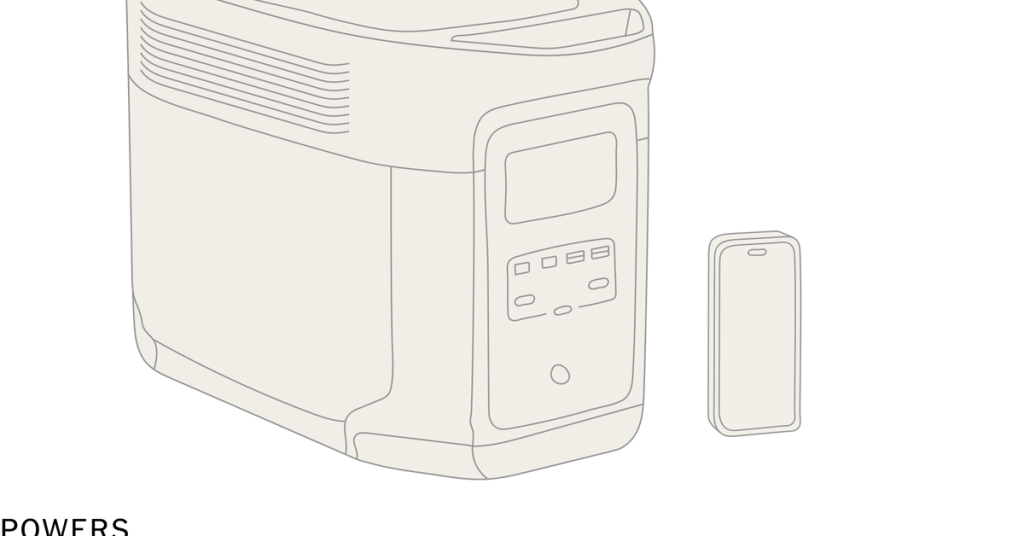
When your portable generator is your lifeline during power outages, choosing the right battery is crucial. Imagine being in the middle of a storm, and your generator fails because of a weak or incompatible battery.
That’s a scenario you definitely want to avoid. But how do you ensure you select the best battery for your generator? With so many options available, it can be overwhelming to make the right choice. But fear not, because this guide is here to help you navigate this decision with ease.
You’ll learn the key factors to consider, such as battery capacity, type, and compatibility, ensuring your generator is always ready when you need it most. Dive in, and empower yourself with the knowledge to make an informed decision that will keep the lights on, no matter what.

Credit: www.reddit.com
Types Of Generator Batteries
Lead-acid batteriesare common and affordable. They are heavy but reliable. These batteries need regular maintenance and work best in cool places. Their lifespan is shorter than other types.
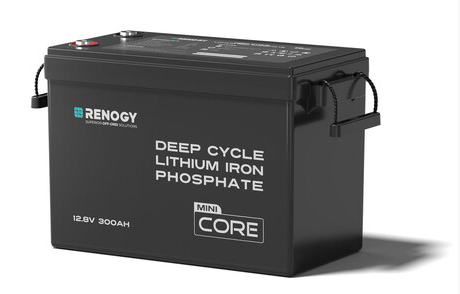
Lithium-ion batteriesare lighter and last longer. They charge faster and need less upkeep. These batteries cost more but save space and weight. They perform well in cold and hot weather.
Nickel-cadmium batterieshandle extreme temperatures well. They are durable and last many cycles. These batteries can be expensive and contain toxic materials. Proper disposal is important for safety.

Credit: www.nytimes.com
Key Battery Specifications
Capacityshows how much energy the battery can store. It is measured in amp-hours (Ah). A higher Ah ratingmeans the battery lasts longer before recharging.
Voltagemust match the generator’s needs. Most portable generators use 12 volts. Using the wrong voltage can harm the generator or battery.
Cold Cranking Amps (CCA)tell how well the battery starts the generator in cold weather. A higher CCA means better starting power in the cold.
Compatibility With Portable Generators
Check the generator’s manualfor the right battery type. It tells you the exact size and power needed. Using the wrong battery can cause damage or poor performance.
Physical size matters. The battery must fit inside the generator’s battery compartment. Also, check the terminal types. Make sure the battery terminals match the generator’s cables. This helps avoid loose connections or sparks.
Some portable generators come with Battery Management Systems (BMS). These systems protect the battery from overcharging, overheating, and deep discharging. Choose a battery that works well with the BMS to make your generator last longer and run safer.
Credit: www.caravanrvcamping.com.au
Battery Maintenance Tips
Chargingthe battery properly is key to its long life. Use a charger made for your battery type. Avoid overcharging; it can damage the battery. Charge the battery fully before storing it. Keep charging intervals regular to keep power strong.
Store batteries in a cool, dry placeaway from direct sunlight and heat. Extreme temperatures hurt battery life. Keep batteries off the ground and away from metal objects. Store batteries at about half charge to prevent damage.
- Check battery terminals for corrosionor dirt often.
- Test battery voltage monthly to ensure it holds charge.
- Look for cracks or leaks in the battery case.
- Clean terminals with a wire brush if needed.
- Replace batteries that show signs of wear or don’t hold charge well.
Signs Of A Failing Battery
Slow engine startis a clear sign of a weak battery. The generator struggles to turn on quickly. You may notice it takes longer to start than usual.
Corrosion and leakagearound battery terminals often appear as white or greenish powder. This can block the battery’s power flow and cause damage. Leakage means the battery is breaking down inside.
Reduced run timeshows the battery can’t hold enough charge. The generator stops working sooner than before. This means the battery is losing its strength and needs replacing.
Budgeting And Battery Lifespan
Choosing a generator batterymeans balancing cost and performance. Batteries with higher capacity usually cost more but last longer. Cheaper batteries may save money upfront but might need replacement sooner.
Look for a warrantythat covers at least one year. A good warranty shows the manufacturer trusts their product. It also helps with free replacements if the battery fails early.
- Keep the battery clean and dry.
- Store it in a cool place.
- Charge it regularly to avoid deep discharge.
- Use a quality charger made for your battery type.
Proper care can extend battery lifeby years. Avoid letting the battery fully drain. Regular checks help spot problems early and keep the generator ready.
Safety Precautions
Proper handlingof generator batteries is key to avoid damage. Always wear gloves and safety glasses. Keep the battery upright to prevent acid leaks. Install the battery in a well-ventilated area to reduce gas buildup. Secure all connections tightly to avoid sparks or shorts.
Dispose of old batteries safely. Take them to recycling centers or special disposal locations. Never throw batteries in regular trash. Old batteries contain harmful chemicals that can pollute the environment.
- Avoid electrical hazards:Disconnect the battery before any maintenance.
- Use insulated tools to reduce shock risk.
- Do not touch battery terminals with bare hands or metal objects.
- Keep the area dry to prevent electric shocks.
Frequently Asked Questions
What Battery Type Suits Portable Generators Best?
The best battery type for portable generators is a deep-cycle AGM or gel battery. These batteries provide reliable power, are maintenance-free, and resist vibrations, making them ideal for generator use.
How To Determine The Right Battery Size For A Generator?
Choose a battery size based on your generator’s power requirements. Check the generator’s manual for recommended voltage and amp-hour ratings to ensure compatibility and optimal performance.
How Often Should I Replace My Generator Battery?
Generator batteries typically last 2 to 5 years. Replace it when performance drops or if it fails to hold a charge, ensuring your generator operates reliably when needed.
Can I Use A Car Battery For My Portable Generator?
Using a car battery is not recommended. Car batteries provide high current for short bursts, unlike deep-cycle batteries designed for sustained energy in generators.
Conclusion
Choosing the right battery keeps your portable generator running well. Check the battery size, type, and power to match your generator. Think about how long you need backup power. A good battery lasts longer and charges faster. Don’t forget to maintain it regularly for best results.
A smart choice saves money and avoids problems. Take time to compare options before you buy. This helps your generator work when you need it most. Simple steps lead to reliable power during outages or outdoor use.