
When the power goes out, your standby generator is your lifeline. But what happens when its battery fails just when you need it most?
Choosing the right generator battery isn’t just about performance; it’s about ensuring your peace of mind during unexpected outages. With so many options on the market, selecting the right one might feel overwhelming. But fear not! This guide will walk you through the essentials, highlighting what truly matters for your needs.
Discover how to make an informed choice that keeps your generator ready and reliable, ensuring your home stays powered when it counts. Ready to dive in and find the perfect battery for your standby generator? Let’s get started!

Credit: www.angi.com
Types Of Generator Batteries
Lead-acid batteriesare common and affordable for standby generators. They have a liquid electrolyte and need some maintenance. These batteries work well in cold weather but are heavier.
Lithium-ion batteriesare lighter and last longer. They charge faster and need less care. These batteries cost more but offer better performance and longer life.
Gel and AGM batteriesare types of lead-acid batteries with sealed designs. Gel batteries use a thick gel electrolyte, making them spill-proof. AGM batteries use a fiberglass mat to hold acid. Both are low maintenance and resist vibration well.
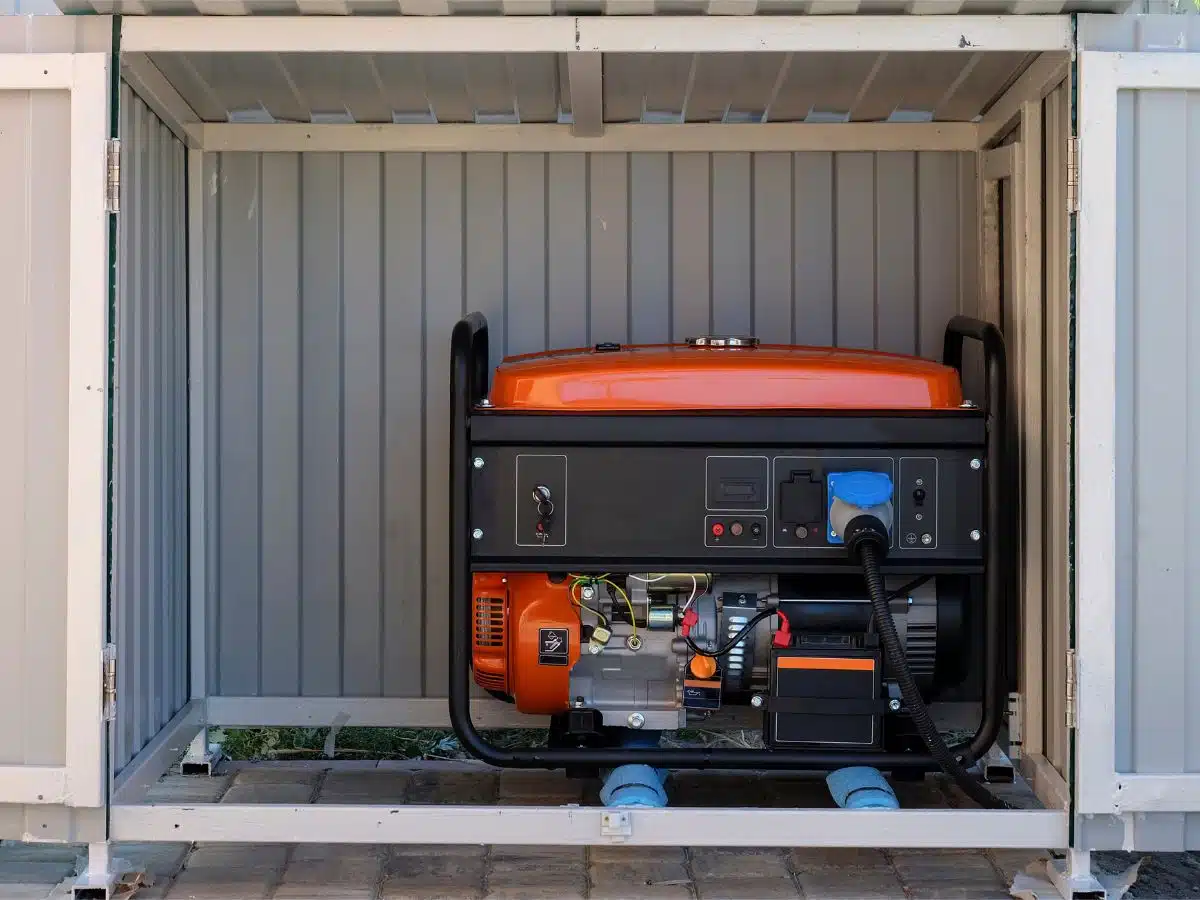
Credit: flpowersolutions.com
Key Battery Specifications
Battery Capacityshows how much energy the battery can store. It is measured in Amp Hours (Ah). A higher Ah means the battery can run longer without charging.
Cold Cranking Amps (CCA)tell how much power the battery can give at cold temperatures. A higher CCA helps the generator start easily in winter or cold places.
Battery Voltagemust match your generator’s requirements. Most standby generators use a 12-volt battery. Using the wrong voltage can damage the generator or battery.
Battery Compatibility With Generators
Choosing the right battery sizeis key for your standby generator. The battery must match the generator’s power needs. A battery too small may not start the generator. Too large wastes money and space.
Connectors must fit well. Use the correct connector typeto avoid loose or damaged connections. Common types include ring terminalsand quick connects. Check the generator’s manual for details.
Manufacturers often provide battery recommendations. Following these ensures compatibilityand warranty coverage. Using the recommended battery type helps your generator run smoothly and lasts longer.
Credit: www.nytimes.com
Battery Maintenance Tips
Regular testinghelps catch battery problems early. Check battery voltage and connections often. Look for signs of corrosion or leaks. Use a voltmeter to measure charge levels. Clean terminals with a soft brush if needed. Tighten loose connections to ensure good contact.
Proper chargingkeeps the battery healthy. Avoid overcharging or deep discharges. Use a charger suited for the battery type. Charge batteries slowly to prevent damage. Make sure the charger turns off when fully charged.
Storage guidelinesextend battery life. Store in a cool, dry place away from direct sunlight. Keep batteries off cold floors and away from heat sources. Charge batteries before storage and test them monthly. Remove batteries from the generator if stored long-term.
Signs Of A Failing Generator Battery
Slow engine startis a clear sign of a weak generator battery. The engine may take longer to turn over or fail to start at all. This happens because the battery cannot provide enough power.
Corrosion and leakagearound battery terminals can block electrical flow. White or green buildup means corrosion. Leakage of battery acid can damage parts and lower battery life. Regular checks help spot this early.
Reduced battery lifemeans the battery does not hold charge well. It may die quickly or need frequent recharging. This happens as batteries age or get damaged. Testing the battery voltage can show its health.
Budgeting For Generator Batteries
Costand performanceoften go hand in hand with generator batteries. A higher price usually means better quality and longer life. But the goal is to find a battery that fits your budgetand still works well.
Warrantyis key. It shows how long the maker trusts their product. A longer warranty means fewer worries about defects or early failure. Expect most batteries to last between 3 to 5 years. Some premium models may last even longer.
Choosing a battery with a good warranty and solid lifespan can save money in the long run. Replacing batteries often adds extra cost and hassle. Spending a bit more upfront might mean fewer replacements and less downtime.
Frequently Asked Questions
What Size Battery Is Needed For A Standby Generator?
Choosing the right battery size depends on your generator’s power and runtime needs. Check the manufacturer’s specs for recommended battery capacity and voltage to ensure compatibility and optimal performance.
How Long Should A Generator Battery Last?
A typical generator battery lasts between 3 to 5 years. Proper maintenance and regular charging can extend its life. Replace the battery if it shows signs of weakness or fails to hold a charge.
Can Any Battery Work With A Standby Generator?
Not all batteries suit standby generators. Use batteries designed for deep cycle or starting purposes, matching voltage and capacity requirements. Using the wrong battery can reduce performance and lifespan.
How To Maintain A Generator Battery Effectively?
Keep the battery clean, dry, and fully charged. Regularly inspect terminals for corrosion and tighten connections. Store the battery in a cool, dry place when not in use, and test it periodically.
Conclusion
Choosing the right battery keeps your standby generator ready to work. Check the battery size and power rating first. Make sure it fits your generator model well. Consider how long the battery lasts and its maintenance needs. A good battery saves you time and keeps power steady.
Regular checks help avoid surprises during outages. Take time to compare options before you buy. A reliable battery means your generator stays strong when needed. Simple steps lead to better power backup at home.