Are you planning your next big road trip in your RV? You’ve got your routes mapped out, snacks packed, and playlists ready.
But what about your power source? Choosing the right generator connector for your RV is crucial for a smooth adventure. Imagine setting up camp, ready to enjoy the evening, only to realize your appliances won’t run because of a mismatched connector.
Frustrating, right? Don’t let this be your story. In this guide, we’ll unravel the steps to select the perfect generator connector for your RV, ensuring you have all the power you need, wherever the road takes you. Stay with us, and by the end, you’ll be equipped to make a confident, informed decision.
Types Of Generator Connectors
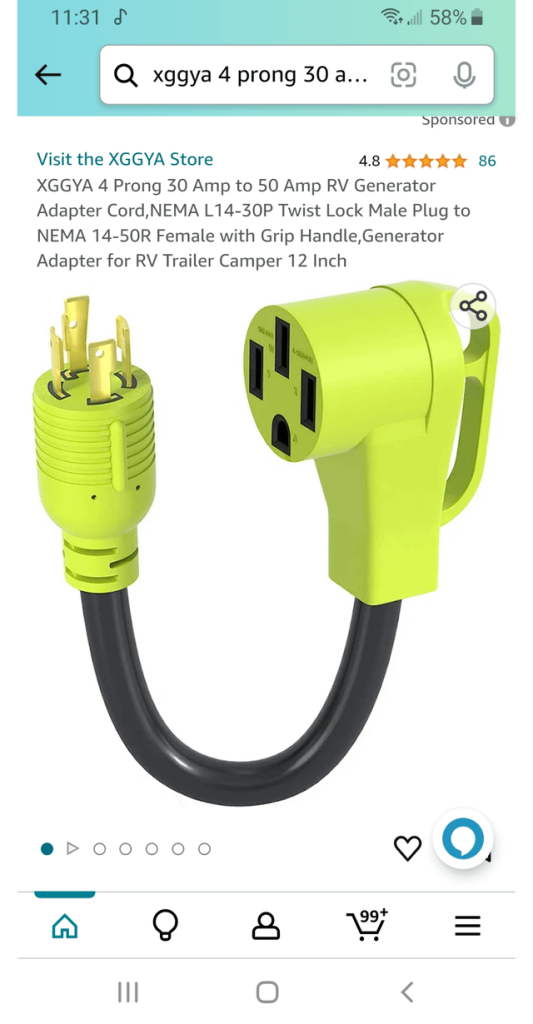
Twist-Lock Connectorsare secure and easy to use. They lock in place by twisting the plug. This prevents accidental disconnection. They are common in RVs and generators.
Pin and Sleeve Connectorsare designed for heavy-duty use. They have pins that fit into sleeves to make a strong connection. These connectors handle high power safely.
Cam-Lock Connectorsuse a cam mechanism to lock the plug. This gives a tight and reliable connection. They are good for quick and safe setups.
Standard Power Cordsare simple and widely used. They plug into normal outlets and generators. Not as secure as twist-lock or cam-lock, but easy for small power needs.

Credit: www.amazon.ca
Key Connector Features
Amperage and voltage ratingsare vital for choosing the right connector. The connector must handle the RV’s power needs safely. Check the maximum current (amperage)and voltage ratingto match your generator and RV. Using a connector with lower ratings can cause damage or fire.
Connector material and durabilityaffect how long it lasts. Choose connectors made from strong metalsor high-quality plastics. These materials resist wear and tear from frequent use. Durable connectors reduce the need for repairs or replacements.
Weather resistanceis important for outdoor use. Look for connectors with waterproof sealsor UV protection. These features keep the connector working well in rain, sun, or cold weather.
Safety certificationsensure the connector meets safety rules. Look for labels like ULor CSA certified. Certified connectors have been tested for safe use, reducing risks of accidents.
Matching Connectors To Rv Power Needs
Knowing your RV’s power needsis key. Check the total wattage of all devices you plan to run at once. This helps pick a connector that can handle the load safely. Generators have different output ratings. Match these ratings with your RV’s requirements to avoid damage or power loss.
Connector pins vary by type and power level. Common types include 30-amp and 50-amp connectors. Each has a unique pin configurationto match specific power levels and plugs. Using the right pin setup ensures a secure and safe connection.
| Connector Type | Amps | Pin Configuration | Typical Use |
|---|---|---|---|
| TT-30 | 30 | 3-pin | Most small to mid-size RVs |
| TT-50 | 50 | 4-pin | Larger RVs with higher power needs |
| L14-30 | 30 | 4-pin twist-lock | Generator to RV transfer switches |
Installation Considerations
Choose a connector placement that is easy to reach. Place it near the generator and the RV inlet. This helps in quick and safe connections. Avoid tight spaces or hard-to-reach spots to reduce accidents.
Wiring must match your generator’s power output. Use adapters only if they fit both the generator and RV connectors. Adapters should be sturdy and safe to avoid electrical issues.
| Installation Type | Advantages | Disadvantages |
|---|---|---|
| Professional | Safe, follows electrical codes, reliable | Costs more, needs appointment |
| DIY | Cheaper, flexible timing | Risk of mistakes, may void warranty |
Common Mistakes To Avoid
Choosing the wrong connector typecan cause power issues. Each RV and generator has specific connector needs. Using a connector that does not fit can lead to dangerous sparks or damage.
Exceeding the amperage limitsof your connector is a common error. This may cause overheating or even fire. Always check the amperage rating before buying a connector.
Ignoring weatherproofingcan lead to connector failure. Outdoor conditions like rain or dust harm unprotected connectors. Pick connectors with good weather seals to keep your RV safe.

Credit: www.vevor.ca
Popular Brands And Models
Top-rated generator connectorsprovide safety and reliability. Brands like Camco, Reliance, and Generacare popular choices. These connectors fit many RV models and offer easy plug-in options.
Budget-friendly optionssuit occasional users. They are simple, cost-effective, and meet basic power needs. Look for connectors with strong plastic or rubber housing for durability.
Premium connectorsare made for heavy use and harsh weather. They have thicker wires and better insulation. These connectors often include extra features like weatherproof covers and locking mechanisms.
| Brand | Model | Price Range | Best For |
|---|---|---|---|
| Camco | 55320 | Low | Basic RV Use |
| Reliance | PB30 | Medium | Regular Use |
| Generac | 6828 | High | Heavy Duty |
Maintenance Tips For Longevity
Regularly check connectors for cracks, corrosion, or loose parts. Inspect wires for fraysor damage. Catching issues early keeps connections safe and reliable.
Clean connectors with a soft cloth and mild cleaner. Avoid harsh chemicals that can damage plastic or metal parts. Store connectors in a dry, cool place to prevent rust and dirt buildup.
Replace connectors showing signs of wear or damage. Using worn connectors risks power lossor electrical hazards. Always use connectors that match your RV and generator specifications.

Credit: www.amazon.ca
Frequently Asked Questions
What Types Of Generator Connectors Fit Rvs?
Generator connectors for RVs vary by amperage and plug style. Common types include 30-amp and 50-amp plugs. Choose connectors matching your RV’s power inlet and generator outlet for safe, efficient power transfer.
How To Determine The Correct Connector Size?
Check your RV’s power requirements and generator output. Match the connector amperage to your RV’s main breaker rating. Using the right size prevents electrical hazards and ensures optimal power flow.
Can I Use A Universal Generator Connector For My Rv?
Universal connectors offer versatility but may not fit all RVs perfectly. It’s best to use connectors specifically designed for your RV’s power inlet to guarantee safety and compatibility.
Why Is Connector Material Important For Rv Generators?
Durable materials like heavy-duty rubber and copper ensure safety and longevity. Quality connectors resist weather, heat, and wear, providing reliable power connections during RV trips.
Conclusion
Choosing the right generator connector keeps your RV powered safely. Match the connector to your generator’s power output and plug type. Check the cord’s length and quality for convenience and safety. Don’t forget to follow all instructions carefully. A good connector helps avoid electrical problems on the road.
Take time to pick the best fit for your RV needs. Stay prepared and enjoy your trips without power worries. Simple steps lead to safe and reliable power connections.