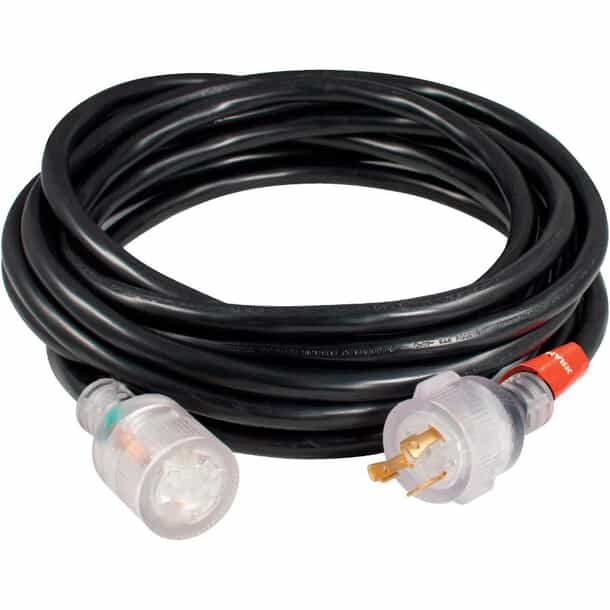
Are you struggling to find the perfect extension cord for your high-power generator? You’re not alone.
With so many options available, choosing the right one can feel overwhelming. But don’t worry—making the wrong choice could lead to dangerous situations, such as overheating or power failure. This is why it’s crucial to select an extension cord that matches your generator’s capabilities and your power needs.
In this guide, you’ll discover the essential factors to consider, ensuring you make a safe and smart choice. Stick with us, and by the end, you’ll be equipped with the knowledge to power up your high-power generator with confidence.
Generator Extension Cord Basics
Extension cords come in different types. Some are made for indoor use, others for outdoor use. Outdoor cords have tough, weather-resistant jackets. This helps them last longer outside.
Choosing the right lengthmatters. Longer cords can lower power flow. This can make your generator work harder. It also can cause your devices to get less power. Use the shortest cord you can.
Wire gauge shows how thick the wire is. The lower the gauge number, the thicker the wire. Thick wires carry more power and are safer for big generators. Thin wires can overheat and cause problems.
| Wire Gauge (AWG) | Use | Max Length (Feet) |
|---|---|---|
| 12 | Up to 15 amps | 50 |
| 10 | Up to 30 amps | 100 |
| 8 | Up to 40 amps | 150 |

Credit: generlinkcanada.ca
Matching Cord To Generator Power
Calculate the total poweryour generator will supply. Add up the watts of all devices you plan to use. Use this number to select a cord that can handle the load.
The ampacityof a cord shows the maximum current it can carry safely. Choose a cord with an ampacity higher than the generator’s output current. This prevents overheating and damage.
Consider voltage drop, which happens when power travels through the cord. Longer cords and thinner wires increase voltage drop. This can cause devices to run poorly or not at all.
| Factor | What to Check | Why It Matters |
|---|---|---|
| Power Requirements | Total watts needed | Ensure cord can handle total load |
| Ampacity | Cord’s max current rating | Prevents overheating and fire risk |
| Voltage Drop | Cord length and thickness | Keeps device voltage stable |
Cord Material And Durability
Insulation typesprotect the cord from heat, moisture, and wear. Common materials include rubber, PVC, and thermoplastic. Rubber is flexible and good for cold weather. PVC is durable and resists chemicals. Thermoplastic offers good resistance to abrasion.
Weather resistanceis vital for outdoor use. Choose cords rated for wet or damp conditions. Look for labels like “weather-resistant”or “waterproof”. Proper weatherproofing prevents damage from rain or snow.
- Flexibilityhelps with easy handling and storage.
- Thicker insulation may reduce flexibility but adds durability.
- A balance between flexibility and toughness is best.
- Handle cords carefully to avoid cracks and breaks.
Safety Features To Look For
Grounding and polarizationkeep electricity safe and stable. Grounding stops shocks by directing extra electricity to the earth. Polarization ensures wires connect correctly to avoid sparks and short circuits. Using cords with proper grounding and polarization is very importantfor safety.
Overload protectionstops the cord from carrying too much power. It helps prevent fires and damage to your generator and devices. Choose cords with built-in overload protection to keep everything safe and working well.
Certifications and standardsshow that the cord meets safety rules. Look for labels like UL, CSA, or ETL. These marks mean the cord has passed tests for quality and safety. Using certified cords reduces risk and gives peace of mind.
Connector Types And Compatibility
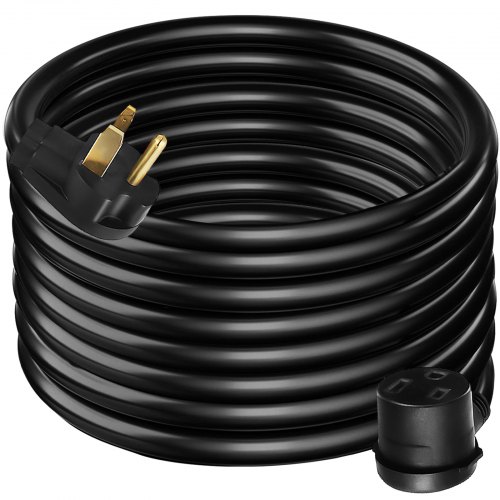
Plug configurationsmust match the generator’s outlets exactly. Different plugs carry different power levels and shapes. Using a wrong plug can cause damage or power loss. Always check the plug type on your generator and extension cord before connecting.
Adapterscan help connect cords with different plugs. Use only high-quality adaptersmade for generators. Avoid cheap or makeshift adapters that can cause sparks or shorts. Adapters must fit snugly to ensure safe power flow.
Secure connections are key to avoid power interruptions. Make sure plugs and sockets fit firmly without loose ends. Use cords with locking mechanismsif possible. Keep connections dry and clean to prevent electric shocks or fire risks.
Credit: www.vevor.ca
Maintenance And Storage Tips
Keep your extension cord cleanby wiping it with a dry cloth. Avoid using water or harsh chemicals. Check for cuts, cracks, or frayed wiresregularly. Look at the plug and sockets for signs of damage. A clean cord works better and lasts longer.
Store the cord in a cool, dry place. Avoid spots with direct sunlight or moisture. Coil the cord loosely to stop it from tangling or breaking. Use a hook or a reel to keep it organized. Proper storage helps prevent damage and extends cord life.
| Issue | Cause | Fix |
|---|---|---|
| No power | Loose connection | Check plugs and tighten |
| Overheating | Overload or damaged cord | Reduce load or replace cord |
| Sparking | Damaged wires | Stop use and replace cord |

Credit: www.reddit.com
Frequently Asked Questions
What Length Extension Cord Is Best For High-power Generators?
Choose an extension cord long enough to reach your equipment safely. Avoid cords longer than necessary to prevent voltage drop and power loss.
What Wire Gauge Suits High-power Generator Extension Cords?
Use extension cords with lower gauge numbers like 10 or 12. Thicker wires handle higher power safely and reduce overheating risks.
Can I Use Indoor Extension Cords With Generators?
No, indoor cords are not designed for outdoor use or high power. Always use heavy-duty, outdoor-rated extension cords for generators.
How Do I Check Extension Cord Compatibility With My Generator?
Match the cord’s amp rating to your generator’s output. Ensure the cord supports the wattage and voltage your generator produces.
Conclusion
Choosing the right extension cord keeps your generator safe and working well. Check the cord’s power rating and length before buying. A thick wire and proper plugs help avoid problems. Always pick cords made for outdoor use and heavy power loads.
Safety matters most. Use these tips to find a cord that fits your generator’s needs. Stay prepared and keep your power running smoothly.