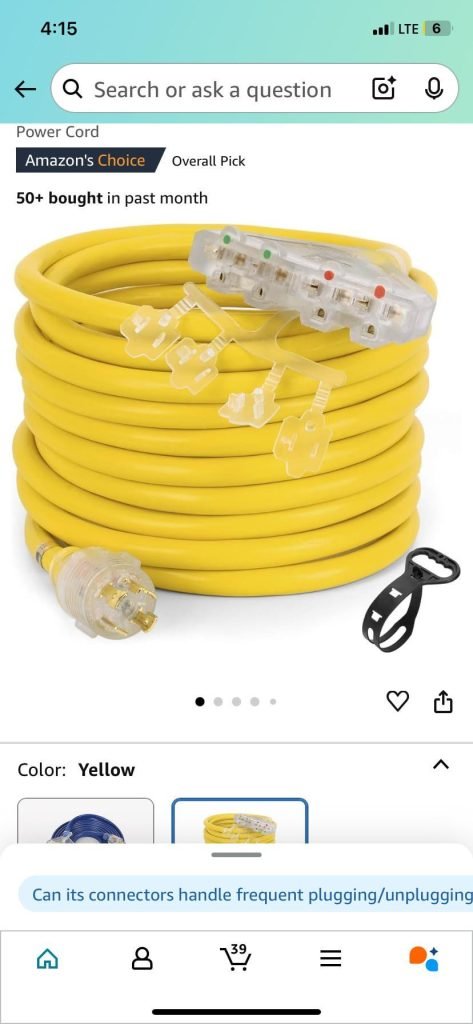
Choosing the right generator extension cord can be the difference between a smooth power backup experience and a potential electrical hazard. If you’ve ever found yourself staring at a shelf full of cords, unsure which one is right for your needs, you’re not alone.
You want your generator to deliver power safely and efficiently, but with so many options available, making the right choice can feel overwhelming. This guide will simplify the process, ensuring that you can make an informed decision without second-guessing. Imagine having peace of mind knowing your generator is connected safely, ready to provide power when you need it most.
Stay with us as we unravel the key factors to consider, ensuring your choice is not only smart but also safe for your home and devices.
Types Of Generator Extension Cords
Choose indoor cordsfor dry, protected areas. They are not made to handle rain or dirt. Outdoor cordshave thick insulation and are built to resist water, dirt, and sun damage. Using the right cord keeps you safe and your equipment working well.
Cord materialaffects durability. Look for cords with rubber or vinylcoating. These materials last longer and resist cuts or tears. Cheaper plastic cords wear out fast and can be dangerous.
| Cord Length | Wire Gauge | Use Case |
|---|---|---|
| 25 feet | 14 gauge | Small tools, light loads |
| 50 feet | 12 gauge | Medium power tools |
| 100 feet | 10 gauge | Heavy equipment, long distances |
Choose the shortest cordthat fits your need. Thicker wire (lower gauge number) carries more power safely. A cord too thin can overheat and cause fire.
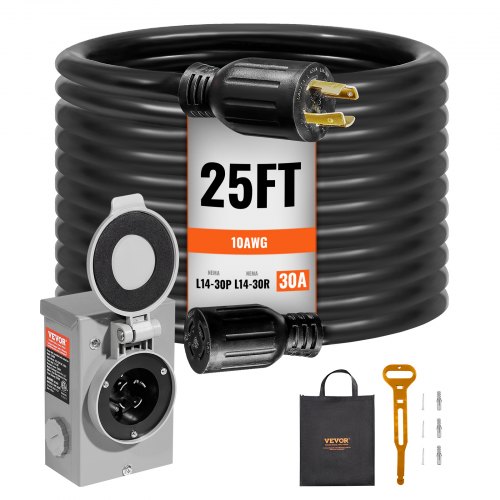
Credit: www.vevor.com
Matching Cord To Generator Power
First, find the total wattageyour generator can handle. Add up the watts of all devices you want to power. This helps in choosing the right cord.
Use the correct gaugefor safety and efficiency. Lower gauge numbers mean thicker wiresthat carry more power.
| Distance (feet) | Recommended Gauge | Use Case |
|---|---|---|
| 0-25 | 12 | Up to 15 amps |
| 25-50 | 10 | Up to 30 amps |
| 50-100 | 8 | Up to 50 amps |
Never use a cord that is too thin. It causes overloadsand can be dangerous. Check cord ratings carefully before use.
Safety Features To Look For
Groundingis essential for safety. It prevents electric shocks by directing electricity away.
Insulationprotects the wires inside the cord. It stops electric leaks and damage.
Weather resistancemeans the cord can handle rain, snow, and sun. Look for materials like rubber or heavy-duty plastic.
Circuit breakersand fusesstop the flow of electricity if there is too much power. This helps avoid fires and damage to devices.
- Check for a three-prong plug for grounding.
- Choose cords with thick, sturdy insulation.
- Pick cords labeled for outdoor use.
- Verify if the cord has built-in circuit breakers or fuses.

Credit: www.amazon.com
Proper Usage And Maintenance
Choose a generator extension cord that matches your power needs and cord length. Store cords in a dry place and check for damage regularly to ensure safe use. Proper care helps the cord last longer and prevents accidents.
Correct Connection Practices
Always connect the extension cord to the generator before turning it on. Ensure the cord is rated for the generator’s power output. Avoid plugging too many devices into one cord to prevent overheating. Use cords with proper grounding to reduce shock risk. Keep connections dry and off the ground to avoid water damage. Secure cords to avoid tripping hazards and damage.
Storage Tips
- Store cords in a cool, dry place away from sunlight.
- Coil cords loosely to avoid kinks and breaks.
- Use a reel or hook to keep cords organized.
- Avoid storing cords near chemicals or sharp objects.
- Label cords for easy identification of their length and rating.
Regular Inspection
| Check | What to Look For |
|---|---|
| Insulation | Cracks, cuts, or wear on the cord’s outer layer |
| Plugs | Loose prongs or signs of burning |
| Connections | Firm fit without looseness or corrosion |
| Function | Cord powers devices without flickering or interruptions |
Common Mistakes To Avoid
Using indoor cords outdoorsis risky. These cords lack weatherproofing and can cause electric shocksor fires. Always choose cords marked for outdoor use.
Ignoring cord ratingscan lead to overheating and damage. Check the ampere ratingand voltage to match your generator’s needs. Using under-rated cords may cause power lossor hazards.
Overextending cord length reduces power delivery. Longer cords have more resistance, which lowers voltage. Use the shortest possible cordthat reaches your equipment safely.
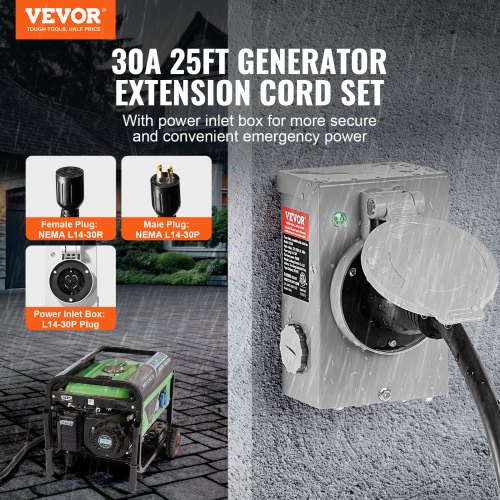
Credit: www.vevor.com
Frequently Asked Questions
What Length Extension Cord Is Best For Generators?
Choose an extension cord length that reaches your power source safely. Avoid overly long cords to reduce voltage drop and power loss. Measure the distance from the generator to the device and add some extra length for flexibility. This ensures efficient and safe power transmission.
How To Determine The Right Gauge For Generator Cords?
Select the cord gauge based on the power load and cord length. Thicker cords (lower gauge numbers) handle more current and longer distances. Use a 12 or 10 gauge cord for high wattage appliances and longer runs to prevent overheating and voltage drops.
Can I Use Indoor Extension Cords With Generators?
No, indoor extension cords are not suitable for generators. They lack proper insulation and durability for outdoor use. Always use heavy-duty, outdoor-rated cords designed to handle generator power safely and withstand weather conditions to avoid hazards.
Why Is Amp Rating Important For Generator Extension Cords?
Amp rating shows the maximum current a cord can safely carry. Using a cord with lower amp rating than your generator load can cause overheating and fire risks. Always check and match the cord’s amp rating with your generator’s output for safe operation.
Conclusion
Choosing the right generator extension cord keeps your power supply safe. Check the cord’s length, thickness, and plug type carefully. Always pick a cord that matches your generator’s power needs. Using the correct cord prevents overheating and power loss. Keep your equipment working well and avoid accidents.
With the right cord, your generator runs smoothly every time. Take time to choose wisely for best results. Safety and performance go hand in hand. Simple steps lead to reliable power where you need it most.