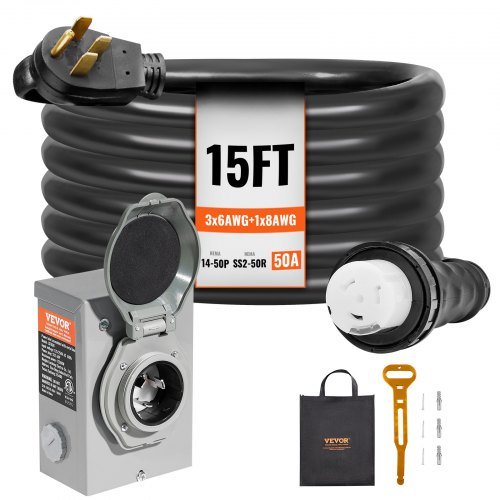
Choosing the right generator power cable for your 50A generator might seem daunting at first, but it doesn’t have to be. Your generator is a valuable investment, and ensuring it operates efficiently means selecting the correct cable.
Have you ever found yourself overwhelmed with technical details and endless options? You’re not alone. Many people struggle with this decision, but making the wrong choice could lead to performance issues or even safety hazards. Imagine the peace of mind you’ll have when you know your generator is connected securely and safely, ready to provide power whenever you need it.
This article will guide you through the essential factors to consider when selecting a generator power cable, ensuring you make a confident and informed choice. Ready to power up your knowledge? Let’s dive in and simplify the process for you.
Generator Power Cable Basics
Generators need the right power cableto work safely and well. There are different types of cablesfor generators. The main types include rubber-insulated, thermoplastic-insulated, and armored cables. Each type fits different uses and weather conditions.
Important cable specificationsto check are:
- Amperage rating:Must match or exceed 50A for a 50-amp generator.
- Wire gauge:Thicker wires (lower gauge number) carry more power safely.
- Insulation type:It protects against heat, moisture, and abrasion.
- Length:Longer cables may need thicker wires to avoid power loss.
- Connector type:Must fit the generator and the device you power.
Understanding 50a Generator Requirements
A 50A generatorusually runs at 120/240 volts. This means it can handle a lot of power safely. The cablemust match the voltageand currentratings to avoid problems.
Cable ampacityis the maximum current the cable can carry. Using a cable with too low ampacity can cause overheatingand fire risks. For a 50A generator, a cable rated for at least 50 amps is needed.
| Generator Rating | Voltage | Minimum Cable Ampacity |
|---|---|---|
| 50A | 120/240V | 50 amps |
- Check cable insulation for safety.
- Use copper wire for better conductivity.
- Choose cable thickness (gauge) as per ampacity.
Cable Gauge Selection
Wire gaugedetermines how much current a cable can safely carry. Using the right gauge prevents overheatingand fire risks. Thicker wires have lower resistance and carry more power. Thin wires can cause voltage drops and damage your generator or devices.
Choosing the correct gauge depends on the current rating(50 amps here) and the distancethe cable runs. Longer distances need thicker wires to avoid power loss.
| Wire Gauge (AWG) | Maximum Length (feet) | Suitable For |
|---|---|---|
| 6 AWG | 50 | Short distances, up to 50 feet |
| 4 AWG | 100 | Medium distances, up to 100 feet |
| 2 AWG | 150 | Long distances, up to 150 feet |
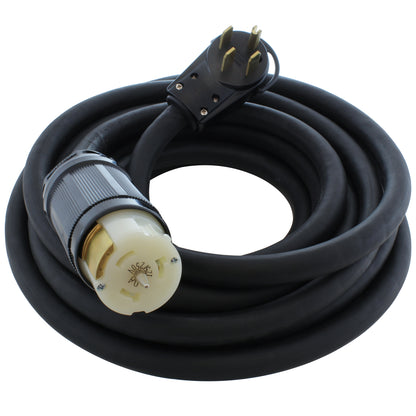
Credit: acworks.ca
Cable Material And Construction
Copper cablesare known for their excellent conductivityand durability. They handle heat better and last longer. Aluminum cablescost less but are less conductiveand more prone to damage. Copper is the safer choice for a 50A generatorcable.
Insulation protects cables from weather and wear. Common types include PVCand rubber. PVC is rigid and cheaper. Rubber is flexible and durable, good for outdoor use. Choose insulation based on where you will use the cable.
| Material | Pros | Cons |
|---|---|---|
| Copper | High conductivity, durable, heat resistant | More expensive |
| Aluminum | Lower cost, lighter weight | Less conductive, prone to damage |
- PVC insulation:Rigid, affordable, good for dry areas
- Rubber insulation:Flexible, strong, good for outdoor use
Safety And Compliance
The National Electrical Code (NEC)sets clear rules for generator cables. These rules ensure cables handle the 50A load safely. Use cables with the correct ampacity ratingto avoid overheating.
Grounding is key for protection. Connect the generator frame to a proper earth ground. This stops electric shocks and fires.
- Use ground fault circuit interrupters (GFCI)for extra safety.
- Check that cable insulationis rated for outdoor use.
- Ensure cables are free of cuts and damage.
- Follow NEC rules on cable length and thickness.

Credit: acworks.com
Cable Length Considerations
Voltage drophappens when electricity travels through a long cable. It causes the power to be weaker at the end of the cable. This can make the generator work harder and may damage some devices.
Keep cable length as short as possible to reduce voltage drop. For a 50A generator, a cable longer than 50 feetmay need thicker wires to keep power steady.
| Cable Length (Feet) | Recommended Wire Size (AWG) | Notes |
|---|---|---|
| 0-25 | 6 AWG | Standard length, good for most uses |
| 26-50 | 4 AWG | Thicker wire to reduce voltage drop |
| 51-100 | 2 AWG | Long cables need larger wires |
Connector Types For 50a Generators
Generators with a 50A rating often use specific connector types. The most common ones include NEMA L14-50and NEMA TT-50. These connectors are designed to handle high power safely and fit well with standard generator outlets.
Choosing the right connector style ensures a strong, safe connection. Connectors must match both the generator and the device’s plug. Using the wrong connector can cause poor contact or damage.
- NEMA L14-50: Twist-lock style for tight, secure fit.
- NEMA TT-50: Straight blade style, common in RVs and homes.
- Cam-Lock connectors: Used in industrial settings for heavy-duty use.
Secure connections prevent power loss and reduce risks of sparks or shorts. Always check that connectors fit snugly without forcing. Look for cables with proper insulation and strain relief to avoid wear and tear.
Installation Tips
Proper cable routing keeps the power cable safe and working well. Keep cables away from sharp edges and hot surfaces. Use cable ties or clamps to hold cables in place. Avoid tight bends; cables must have some slack to prevent damage. Run cables along walls or ceilings for protection.
Avoid common mistakes like using the wrong cable size. Too thin cables can overheat and cause hazards. Also, do not run cables under rugs or through doorways. This can cause wear and short circuits. Check all connections are tight and clean. Loose connections can cause power loss or sparks.
Maintenance And Troubleshooting
Regular inspectionsof generator power cables help find problems early. Check for cracks, cuts, or wear on the cable cover. Look for any discolorationor burn marksnear connectors. These signs show heat damageor short circuits.
Keep the cables cleanand dry. Dirt and moisture can cause electric shocksor failures. Use a soft cloth to wipe cables gently. Avoid sharp bends or twists to protect the wires inside.
- Look for loose connectionsat plugs and sockets.
- Test the cable with a multimeterfor continuity.
- Replace any cable showing damageor fraying.
- Store cables properly to avoid wear and tear.

Credit: www.amazon.ca
Frequently Asked Questions
What Gauge Cable Is Needed For A 50a Generator?
For a 50A generator, use a 6-gauge cable for up to 50 feet. For longer runs, consider 4-gauge cable to avoid voltage drop and ensure safe power delivery.
How To Determine The Right Cable Length For Generators?
Measure the distance between your generator and the power inlet carefully. Choose a cable long enough to reach without stretching or coiling, which can cause overheating and reduce efficiency.
Can I Use An Extension Cord With A 50a Generator?
Avoid regular extension cords with 50A generators. Use a heavy-duty, generator-specific power cable designed to handle 50 amps safely and prevent fire hazards.
Why Is Cable Insulation Important For Generator Cables?
Proper insulation protects against heat, moisture, and abrasion. It ensures safety and durability, preventing electrical shocks and cable damage during generator operation.
Conclusion
Choosing the right power cable keeps your 50A generator safe and efficient. Check the cable’s thickness and length to match your needs. A good cable prevents overheating and power loss. Always pick quality materials for durability and safety. Remember, a proper cable helps your generator run smoothly.
Stay careful and use the right cable every time. That way, you protect your equipment and enjoy steady power. Simple steps lead to better, safer generator use.