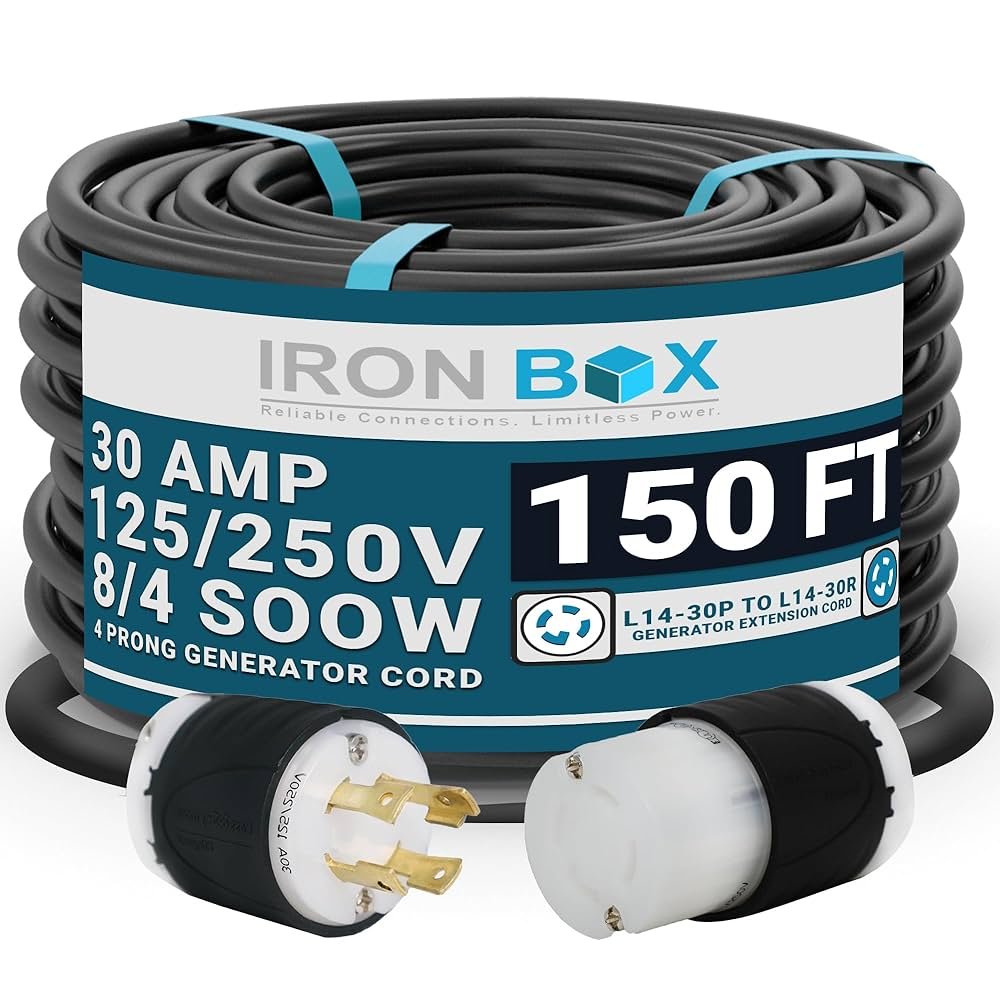
Choosing the right heavy-duty extension cord for your generator is crucial for safety and efficiency. You might wonder why it’s so important or how you can make the best choice.
Imagine this: a storm knocks out your power, and you rush to set up your generator. With the wrong extension cord, your generator’s power might not reach its full potential, or worse, it could pose a safety risk. You want to avoid these pitfalls, right?
In this guide, we’ll break down everything you need to know about selecting the perfect extension cord for your generator, ensuring that your home or worksite remains powered safely and effectively. Ready to power up your knowledge? Let’s get started!
Credit: www.gearit.com
Types Of Extension Cords
Indoor extension cordsare made for dry, protected areas. They are not safe for wet or rough outdoor use.
Outdoor cordshave thick, weather-resistant jackets. They handle rain, sun, and rough surfaces better.
| Gauge | Best For | Max Length |
|---|---|---|
| 16 gauge | Small tools, short runs | 50 feet |
| 14 gauge | Medium power tools, moderate length | 100 feet |
| 12 gauge | Heavy-duty use, long runs | 150 feet |
Cord materialsaffect durability and safety. Look for cords made with rubber or thermoplasticfor outdoor use.
These materials resist cuts, moisture, and heat better than standard plastic.
Choose the right length. Too long causes power loss, too short limits reach.
Matching Cord To Generator Power
Calculating the wattage needsof your generator is key. Check the running wattsand starting wattsof the devices you plan to power. Add these numbers to find the total wattage required.
Look at the amp ratingon the extension cord. This shows how much current it can carry safely. Choose a cord with an amp rating equal to or higher than your generator’s output.
Overloading an extension cord can cause overheatingand fire risks. Avoid this by never using a cord with a lower amp rating than needed. Use heavy-duty cords made for outdoor use and high power.
Safety Features To Look For
Grounded plugs and outletsprotect against electric shock. They provide a safe path for electricity to flow. This helps avoid dangerous sparks or shocks. Always choose cords with three-prong plugs for grounding.
Weather resistanceis important for outdoor use. Cords should resist rain, snow, and sunlight. Look for materials like rubber or heavy-duty plastic. These keep the cord safe and working well in bad weather.
Circuit breakers and fusesprevent overloads. They stop power if the cord gets too hot or overloaded. This protects your generator and appliances from damage. Choose cords with built-in safety devices for extra protection.
Cord Gauge And Length Impact
Gaugeis the thickness of the wire inside the extension cord. Lower gauge numbers mean thicker wiresthat carry more electricity safely. A thick wire reduces the risk of overheating. Thin wires may cause power lossor damage to your generator.
Lengthalso affects performance. Longer cords cause more voltage drop, which means less power reaches your tools or appliances. Use the shortest cordpossible to keep power strong. If you need a long cord, choose one with a lower gaugefor better safety and efficiency.
| Gauge (AWG) | Max Length (feet) | Power Handling |
|---|---|---|
| 12 | 100 | Heavy-duty, best for long distances |
| 14 | 50 | Medium-duty, shorter runs |
| 16 | 25 | Light-duty, short distances only |
Material Quality And Flexibility
Insulation typesprotect extension cords from damage and electric shocks. Common options include rubber, vinyl, and thermoplastic. Rubber insulation is flexible and durable, good for outdoor use. Vinyl is cheaper but less flexible in cold weather. Thermoplastic offers good resistance to heat and moisture.
Temperature resistanceis crucial for safety. Choose cords rated for the climate where you will use them. High-quality cords can handle temperatures from -40°F to 140°F. This helps prevent cracking or melting.
Flexibility in cold weatherensures the cord won’t break or become stiff. Rubber insulated cords stay soft even in freezing temperatures. Less flexible cords are hard to coil and can crack easily.

Credit: www.amazon.com
Connector Types And Compatibility
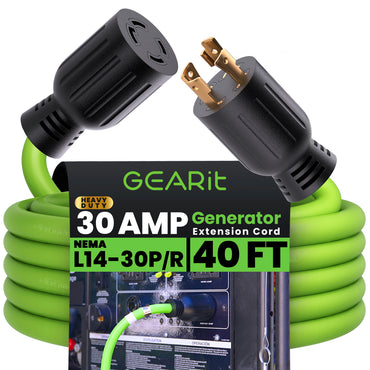
Different plug and outlet standardsexist for generators. Most use NEMAtypes, which show shape and size. Match your extension cord to the generator’s outlet shape. This avoids poor connection and damage.
Locking connectorstwist and lock in place. They prevent cords from unplugging by accident. Standard connectorsjust plug in. They are easier to connect but less secure. Choose based on your need for safety or convenience.
Adaptors help connect cords with different plugs. Use adaptors that fit well and are rated for your power. Using wrong adaptors can cause overheatingor short circuits. Always check the safety ratings and instructions before use.
Maintenance And Storage Tips
Preventing damageto your heavy-duty extension cord is key for long use. Avoid sharp bends that can break wires inside. Keep the cord away from heat and moisture to stop wear and tear. Check the cord regularly for cuts or cracks.
Proper coiling techniqueshelp prevent tangles and damage. Use loose loops, not tight ones. Coil the cord in large circles to keep the wires safe inside. Avoid twisting the cord while coiling.
Storage solutionskeep your cord safe and ready to use. Store it in a dry, cool place. Use hooks or reels to hang the cord off the ground. Keep it away from heavy tools or objects that might crush it.

Credit: www.amazon.com
Top Brands And Models
Popular heavy-duty extension cordsinclude brands like Iron Forge, Southwire, and Coleman Cable. These cords often feature thick gauge wires and durable insulation for safety and long use.
| Brand | Model | Wire Gauge | Length | Price Range |
|---|---|---|---|---|
| Iron Forge | Heavy Duty 12/3 | 12 AWG | 25-50 ft | $$ |
| Southwire | Extreme Duty 10/3 | 10 AWG | 50-100 ft | $$$ |
| Coleman Cable | Contractor Grade 12/3 | 12 AWG | 25-100 ft | $$ |
Customer reviewsoften praise cords for durabilityand flexibility. Ratings usually range from 4 to 5 stars. Some users mention cords are easy to coil and store.
Most brands provide warranty coveragefrom 1 to 3 years. Good customer supporthelps with replacements or questions. Warranty terms vary by model and seller.
Frequently Asked Questions
What Gauge Extension Cord Is Best For Generators?
For generators, a lower gauge number means thicker wire and better power flow. Use 12 or 10 gauge cords for heavy-duty needs to handle high wattage safely.
How Long Should A Heavy-duty Extension Cord Be?
Keep extension cords as short as possible to reduce voltage drop. Generally, cords between 25 to 50 feet are ideal for generator use.
Can I Use Any Extension Cord With My Generator?
No, use only heavy-duty, outdoor-rated cords with proper gauge and insulation. Regular cords may overheat or cause power loss.
Why Is Cord Rating Important For Generators?
Cord ratings ensure the wire can handle the generator’s power output safely. Using underrated cords risks damage, fire hazards, or equipment failure.
Conclusion
Choosing the right heavy-duty extension cord keeps your generator safe and working well. Check the cord’s length, gauge, and power rating before buying. A good cord handles the generator’s load without overheating or losing power. Always pick cords made for outdoor use and tough weather.
This helps avoid accidents and damage. Taking these steps protects your equipment and gives you peace of mind. Stay prepared and power up with confidence.