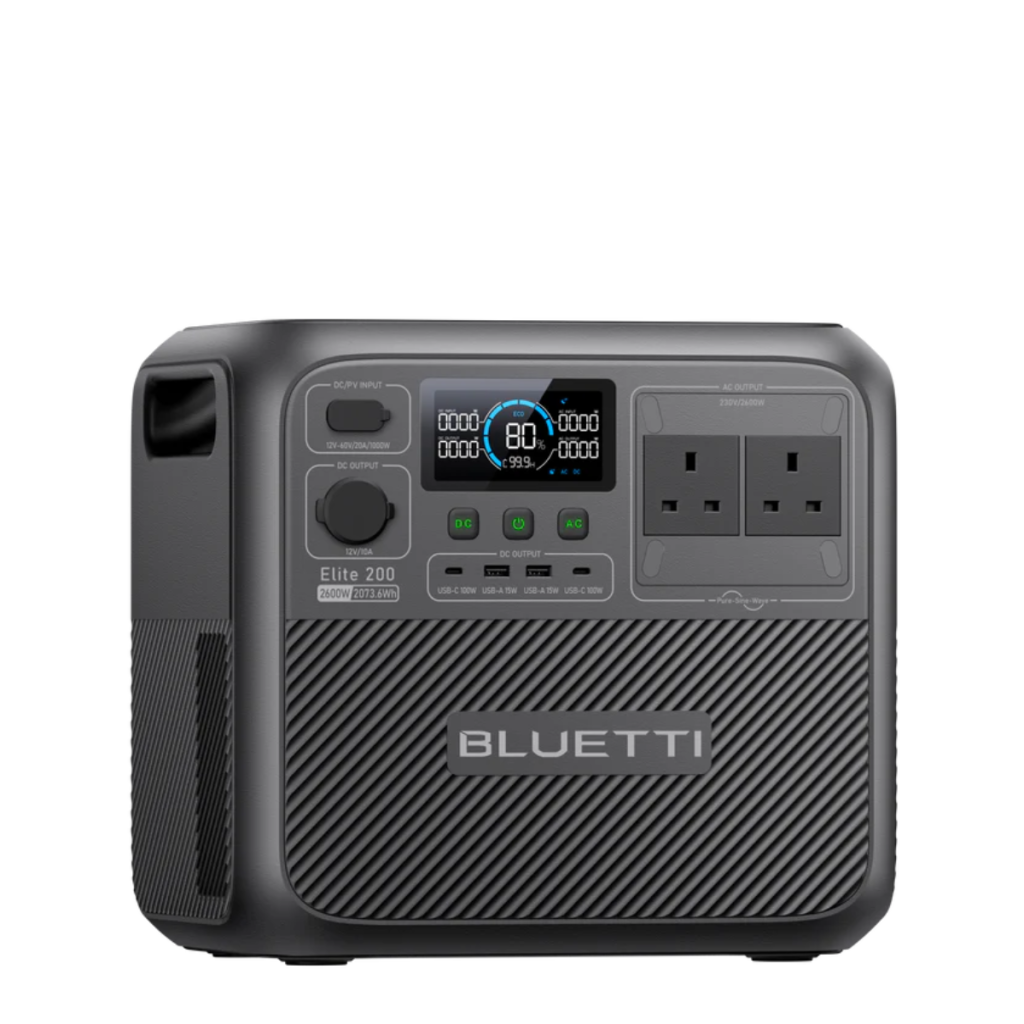
When an unexpected power outage strikes, having a reliable source of electricity can make all the difference. Imagine you’re in the middle of a stormy night, and suddenly, everything goes dark.
Your phone battery is low, your fridge is off, and you’re left wondering how long it will last. This is where a portable power station becomes your lifeline. But with so many options on the market, how do you choose the right one for emergency use?
In this guide, you’ll discover the essential features to consider when selecting a portable power station tailored to your needs. We’ll help you cut through the noise and make an informed decision, ensuring you’re prepared for any power disruption. Keep reading to learn how you can stay connected and safe, no matter what Mother Nature throws your way.
Types Of Portable Power Stations
Choosing the right portable power station for emergencies depends on the type of power station. Consider solar-powered options for eco-friendly use, battery-powered for ease of use, or gas-powered for longer duration needs. Make sure it meets your wattage needs and has enough outlets for your devices.
Battery-based Models
Battery-based models are compact and easy to carry. They store energy in rechargeable batteries. They are great for charging phones and small devices. These models are quiet and safe indoors. They require regular charging to stay ready.
Solar-powered Options
Solar-powered options use sunlight to generate power. They are eco-friendly and cost-effective in sunny areas. They work well outdoors and need solar panels. Keep in mind that cloudy days can limit their efficiency.
Gas-powered Generators
Gas-powered generators provide strong and reliable power. They can run heavy appliances like refrigerators. These generators need fuel to operate. They are noisy and emit fumes. Use them in well-ventilated spaces.
Assessing Power Needs
Assessing power needs involves understanding device requirements and usage time. Choose a portable power station based on wattage and capacity. Consider battery life and charging options for reliable emergency use.
Identifying Essential Devices
Think about which devices are crucial during an emergency. Phones, flashlights, and radios are often needed. Choose only the most important ones to save power. This helps your portable power station last longer.
Calculating Power Requirements
Find out how much power each device uses. Look at the wattage on the device or its charger. Add up the watts for all your essential devices. This gives you an idea of the total power needed.
Duration Of Power Supply
Decide how long you need power during an emergency. Longer durations need bigger power stations. Estimate the hours your devices must run. This helps in choosing the right station with enough capacity.
Key Features To Consider
Choosing a portable power station for emergencies requires focusing on battery capacity, portability, and charging speed. Ensure it has multiple charging ports and reliable safety features for secure use. Opt for a unit with a durable design that suits your outdoor conditions.
Portability And Weight
Choose a power station that is easy to carry. It should be light and compact. The handle should be strong. This helps in moving it easily. Portability is key for emergencies.
Battery Capacity
Bigger capacity means more power. It can charge more devices. Check the watt-hours. More watt-hours mean longer use. Battery capacity is important for needs.
Output Options And Ports
Look for many ports. USB ports are important. AC outlets are useful. Check for DC ports too. More ports help charge many things. Output options give flexibility.
Charging Speed
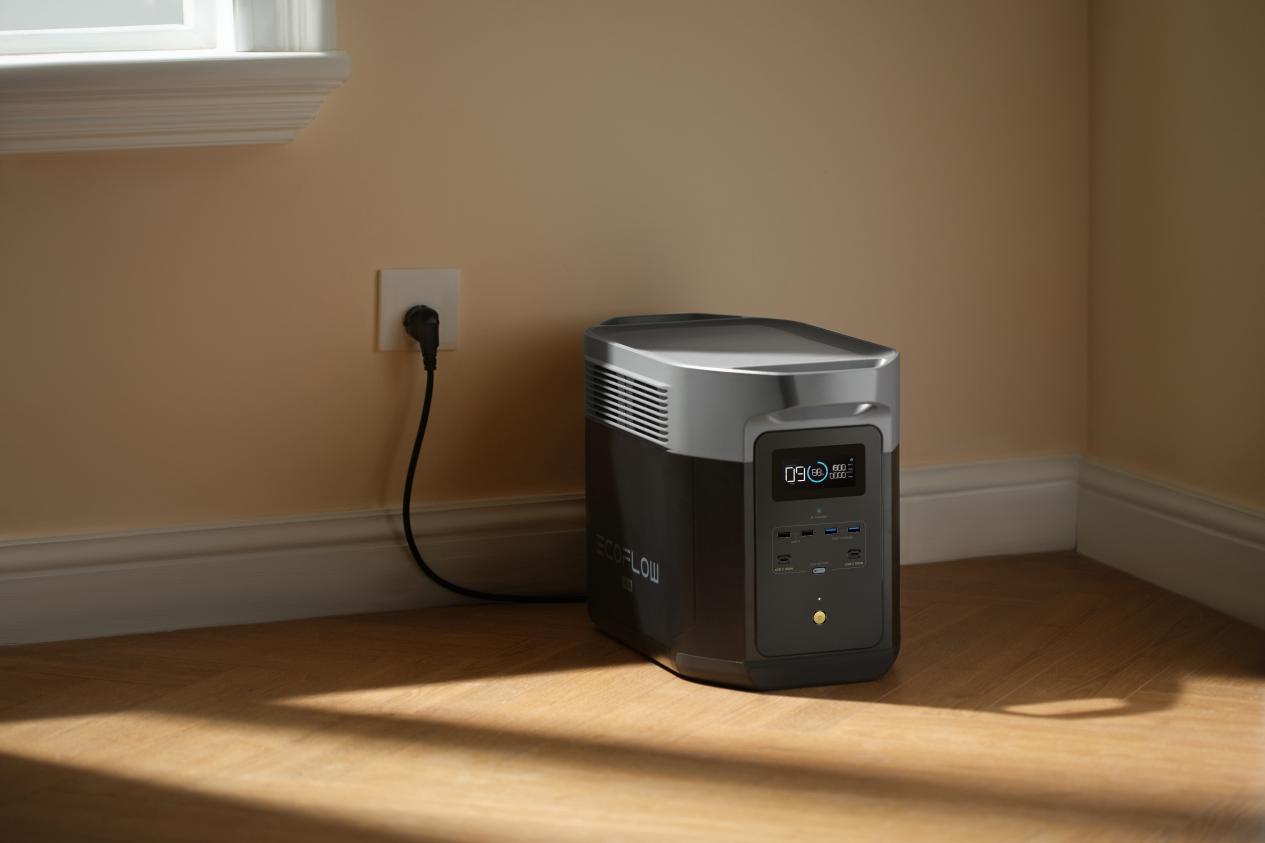
Fast charging saves time. Check the input wattage. Higher wattage means faster charging. Look for solar charging options. Charging speed is important in emergencies.
Credit: www.ecoflow.com
Safety And Reliability
Choosing a portable power station for emergencies involves prioritizing safety and reliability. Ensure the unit has built-in protections like surge and short-circuit safeguards. Opt for models with a proven track record and positive user reviews.
Built-in Safety Features
Portable power stations should have overload protection. This keeps the device from breaking. Short-circuit protection is also important. It stops fires and other dangers. Temperature control is a must-have feature. It keeps the device cool and working well. These features keep users safe and the device in good shape.Durability And Weather Resistance
A strong outer shell protects the power station. It can handle bumps and drops. Water resistance is also key. It keeps the device safe from rain. Dustproof designs keep the machine clean. These features help it last longer.Brand Reputation And Reviews
Check the brand’s customer reviews. Good reviews mean the brand is trusted. Popular brands often offer better products. They have a history of making good devices. Look for brands with lots of positive feedback. This helps ensure you buy a reliable power station. `Budget Considerations
Selecting a portable power station involves assessing budget constraints carefully. Compare features and prices to ensure value for money. Prioritize essential functions like battery capacity and durability within your financial limits.
Price Vs. Performance
Finding a balance between priceand performanceis essential. A high price does not always mean better quality. Some affordable options offer excellent features. Check the battery capacity and output power. Ensure it meets your emergency needs. Compare different models to see what fits your budget.
Long-term Investment Value
Consider how long the power station will last. A durable device saves money in the long run. Look for units with a longer battery life. Check if the power station can be upgraded. This adds value to your purchase. Look for models that can handle more than one use.
Warranty And Customer Support
A good warranty offers peace of mind. Check if the power station comes with at least a one-year warranty. Read customer reviews on their support services. Quick and helpful support is crucial. Reliable support helps solve issues faster. Ensure the company offers easy contact methods.
Credit: rexenergycorporation.com
Practical Use Cases
Choosing a portable power station for emergencies involves assessing capacity, portability, and power output. Consider devices that can charge essential electronics during outages. Look for models with multiple outlets and USB ports for convenience.
Home Emergencies
Power stations are useful during storms or power cuts. They keep essential devices running. You can use them to charge phones, run lights, and keep food fresh in fridges. They are quiet and safe indoors. Choose one with enough outlets for your needs. They are easy to carry and store.
Outdoor Adventures
On adventures, power stations charge cameras, phones, and GPS devices. They provide energy for lights and heaters. They are great for keeping devices alive. Many have solar options for sunny days. Make sure they are light and easy to pack. You need them to be reliable in wild places.
Camping And Road Trips
For camping, power stations keep campsites bright at night. They help cook with electric stoves. They charge devices for music and photos. Choose one with long battery life. They should be durable for travel. They make trips more comfortable and safe.
Maintenance And Care
Choosing a portable power station for emergencies requires checking its battery capacity, weight, and output options. Ensure it is easy to carry and has multiple charging ports for various devices. Consider the charging speed and compatibility with solar panels for extended use during power outages.
Storage Best Practices
Store your power station in a cool, dry place. Keep it away from direct sunlight. Make sure it is out of reach from kids and pets. Check the battery level every three months. Charge it if needed to keep the battery healthy. Avoid storing it near flammable materials.
Regular Maintenance Tips
Inspect the cords and plugsregularly. Check for any signs of wear or damage. Clean the surface with a soft, dry cloth. Avoid using water or cleaning sprays. Ensure all connections are tight and secure. Test the power station every few months to confirm it’s working well.
Troubleshooting Common Issues
If the power station won’t turn on, check the battery charge. Ensure all connections are secure. If it still doesn’t work, try resetting the device. Check the user manual for specific reset instructions. For charging issues, inspect the charger and cable for damage.
Credit: www.popsci.com
Future-proofing Your Choice
Choosing the right portable power station ensures readiness during emergencies. Opt for models with high capacity and fast charging. Evaluate portability and durability to match your specific needs.
Scalability Options
Choosing a portable power station that can grow with needs is smart. Look for models that allow easy upgrades. Ensure it can handle more power in the future. Modular designs help add extra battery packs. This means more energy when you need it most. Also, a device with multiple ports is useful. It helps charge many gadgets at once.
Compatibility With Future Technologies
Ensure the power station supports new tech. USB-C and wireless charging are important features. These ensure your power station works with future devices. Check if it can charge electric vehicles. This is useful as more people use electric cars. A versatile power station will be valuable for years.
Sustainability And Eco-friendliness
Pick a model that is kind to the planet. Solar charging options are a great choice. They use the sun’s energy and reduce pollution. Look for durable materials that last long. This cuts waste and saves money. Choose brands with eco-friendly practices. This helps protect the environment for the future.
Frequently Asked Questions
How To Pick The Right Portable Power Station?
Consider power capacity, battery type, and output options. Check weight, portability, and charging methods. Read reviews for reliability and performance. Ensure compatibility with your devices.
What Size Portable Power Station Do I Need For My House?
Choose a portable power station by calculating your household’s total power needs. Consider device wattage and usage duration. Common needs range from 500W to 2000W. Ensure the power station can handle peak loads. Prioritize higher capacity for emergencies. Consult product specifications for accurate sizing.
Which Type Of Power Station Is Often Used For Emergency Backup Power?
Diesel generator power stations are often used for emergency backup power. They provide reliable and quick electricity during outages. These generators are efficient, cost-effective, and easy to maintain. Diesel generators are a popular choice for hospitals, data centers, and industries requiring uninterrupted power supply.
What Can A 1000w Portable Power Station Run?
A 1000W portable power station can run small appliances like laptops, TVs, mini-fridges, and fans. It can charge devices such as smartphones, tablets, and cameras. This power capacity is ideal for outdoor activities, camping, and emergency situations, providing reliable energy for essential electronics and gadgets.
Conclusion
Choosing the right portable power station ensures peace of mind. Consider battery capacity for your needs. Check the weight and size for portability. Look for multiple charging options and outlets. Safety features are essential for worry-free use. Compare prices to fit your budget.
Read user reviews for real-life insights. A portable power station is a smart emergency tool. Equip yourself for unexpected situations. Make an informed choice today. Stay prepared and keep your devices powered.