
Choosing the right generator adapter plug is crucial for your safety and peace of mind. You might wonder why such a small component can have such a big impact.
Imagine powering up your generator during a blackout, only to face sparks or damage due to a faulty plug. That’s a scenario no one wants to experience. In this guide, you’ll discover how to select a safe and reliable generator adapter plug, ensuring your home stays powered without any unwelcome surprises.
Ready to make smart choices and protect your household? Let’s dive into the essentials you need to know.

Credit: truegear.com.au
Types Of Generator Adapter Plugs
Generator adapter plugs come in many common variants. Each type fits specific generator models and devices. The main variants include:
- Twist-lock plugs– secure and prevent accidental unplugging.
- Standard household plugs– allow connection to regular home outlets.
- RV plugs– designed for recreational vehicles and travel trailers.
- Locking plugs– provide extra safety with a locking mechanism.
Checking compatibilitybetween the adapter plug and your generator is critical. Generators have different output typesand power ratings. Using an incompatible plug may cause damageor danger. Match the plug’s amperageand voltageto your generator’s specifications. Always refer to the generator manualfor the correct adapter type.
Safety Features To Look For
Built-in circuit protectionhelps stop electrical problems fast. It prevents damage from overloadsor short circuits. This feature keeps devices and users safe by cutting power when needed.
Durable materialsmake the adapter last longer. Look for plugs made with strong plasticor metalparts. These materials resist breaking and wear from daily use.
Weather resistanceis key for outdoor use. Choose adapters that can handle rain, dust, and heat. This keeps the plug working well and safe in all weather conditions.
Assessing Power Requirements
Check the wattageand amperage of your generator and devices. These numbers show how much power is needed. The generator adapter plug must handle this power safely.
Match the adapter’s wattage ratingwith your device’s power needs. Using an adapter with lower wattage can cause overheating and damage.
Avoid overloadsby not plugging in too many devices at once. Overloading can cause sparks or fire. Use a plug that fits the total power use.
- Know the generator’s max wattage and amperage.
- Check device labels for power requirements.
- Choose an adapter rated equal or higher than device needs.
- Do not exceed the adapter’s wattage limit.
- Keep total load under the generator’s capacity.
Installation Best Practices
Use correct wire sizefor your generator adapter plug. Too thin wires can cause overheatingand fires. Check the wire gauge that matches the plug’s amperage.
Connect wires firmly to avoid loose connections. Loose wires can cause sparks or power loss. Always tighten screws securely.
Follow the color codes for wiring:
- Black or redfor hot wires
- Whitefor neutral
- Green or barefor grounding
| Grounding Essentials | Why It Matters |
|---|---|
| Connect ground wire to metal parts | Prevents electrical shock and damage |
| Use a grounding rod if required | Ensures safe path for stray electricity |
| Check grounding regularly | Avoids hazards caused by loose grounds |
Common Mistakes To Avoid
Using incompatible adapterscan cause serious safety risks. Adapters that do not match your generator’s plug type may lead to electrical faultsor damage to devices. Always check the plug and socket types before buying an adapter.
Ignoring manufacturer guidelinescan void warranties and increase the chance of accidents. The generator’s manual often provides clear instructions on what adapters are safe to use. Follow these instructions carefully to avoid problems.
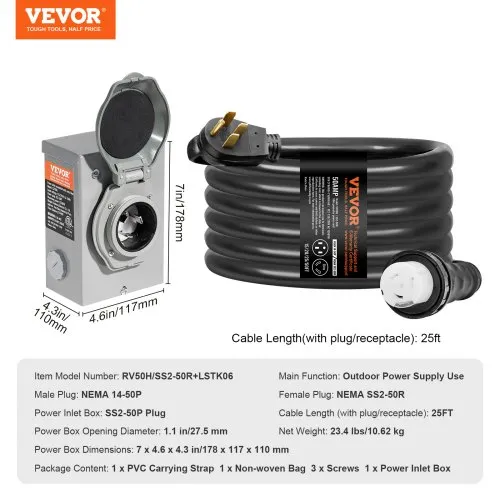
Credit: www.vevor.com
Maintenance And Inspection Tips
Check the adapter plug often for cracks or loose parts. Broken plugs can cause sparks or fires. Look for burnt marks or melted plastic. These signs mean the plug is unsafe and needs replacing.
Keep the adapter clean. Dust and dirt can block connections and cause heat build-up. Use a dry cloth to wipe the plug after use. Avoid water or wet cloths to prevent electric shock.
Store the adapter in a dry, cool place. Avoid damp areas that can cause rust or corrosion. Keep it away from direct sunlight to stop plastic from cracking or fading.
- Inspect plug for damage before each use
- Clean with a dry cloth regularly
- Store in a dry, shaded area
- Replace immediately if any damage is found
Expert Recommendations
Choosing a safe generator adapter plug means picking trusted brands. These brands follow strict safety rules and use high-quality materials. Common trusted brands include Westinghouse, Briggs & Stratton, and Champion. Their plugs last longer and work well with many generators.
It is important to know when to replace adapters. Replace the adapter if you see:
- Frayed or damaged wires
- Burn marks or melted parts
- Loose connections or plugs that don’t fit well
- Cracks in the plug or housing
Using a damaged adapter can cause electric shocksor fires. Always check your adapter before use to stay safe.

Credit: westinghouseoutdoorpower.com
Frequently Asked Questions
What Factors Ensure A Generator Adapter Plug Is Safe?
Choose plugs with proper voltage and current ratings. Check for UL certification. Use grounded plugs to prevent electrical hazards.
How Do I Match A Generator Adapter Plug To My Device?
Match the plug’s voltage and amperage with your device’s requirements. Check plug type compatibility to ensure a secure connection.
Can Using The Wrong Adapter Plug Damage My Generator?
Yes, incorrect plugs can cause overload and damage your generator. Always use plugs designed for your generator’s specifications.
Why Is Grounding Important In Generator Adapter Plugs?
Grounding prevents electric shocks and reduces fire risk. Ensure your adapter plug has a grounding feature for safety.
Conclusion
Choosing a safe generator adapter plug protects your devices and home. Always check the plug’s power rating and compatibility with your generator. Avoid cheap or uncertified adapters to prevent accidents. Look for sturdy materials and proper certifications. Using the right adapter ensures smooth power supply and safety.
Take time to research before buying. Safety matters most when handling electricity. Stay smart and protect your equipment. Simple steps can prevent big problems. Your careful choice keeps everything running safely.