Choosing the right generator cable kit can feel overwhelming, especially when safety is your top priority. You want to ensure that your home or business remains powered without any risks.
The right cable kit is more than just a connection; it’s your peace of mind during power outages. But how do you know which one is safe and reliable for your needs? In this guide, we’ll break down everything you need to consider, from compatibility to quality materials, ensuring you make an informed decision.
Stick with us to discover how to keep your power running smoothly and safely.
Credit: www.vevor.com
Types Of Generator Cables
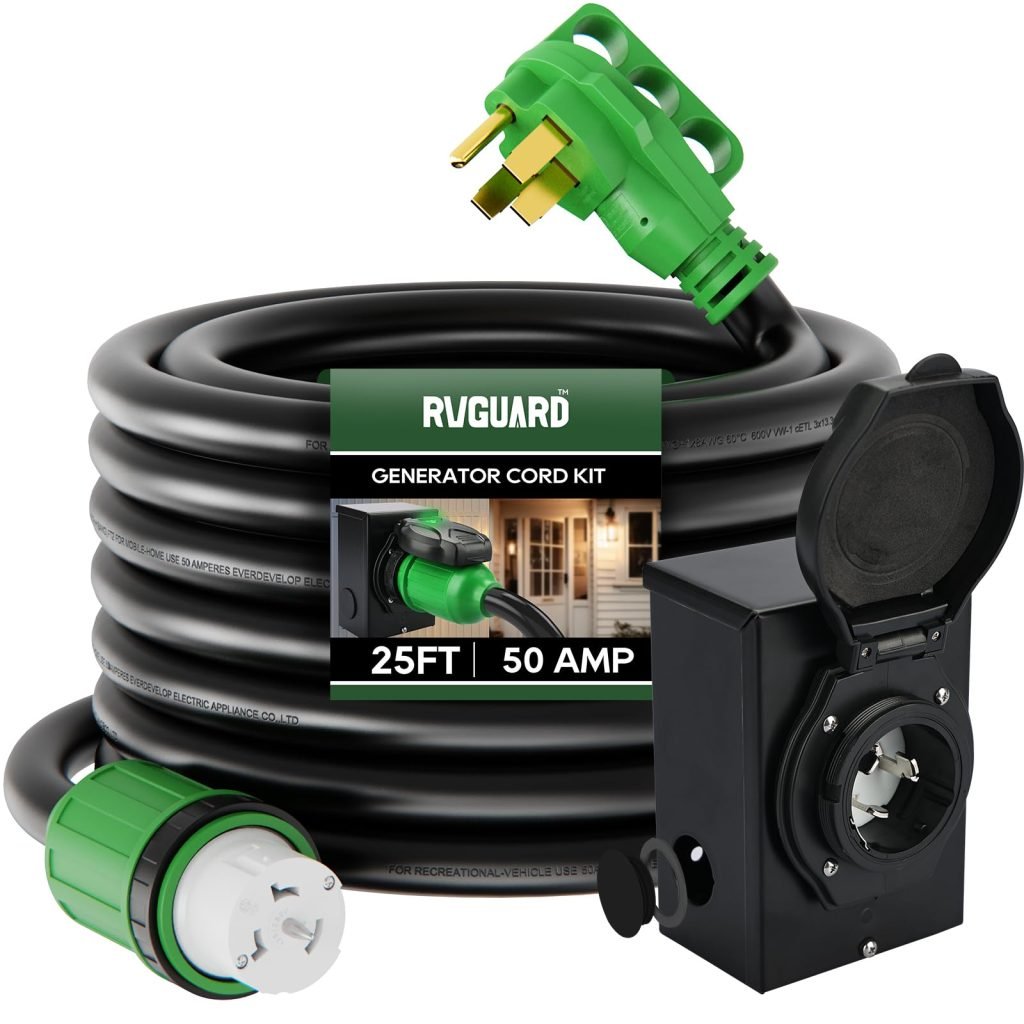
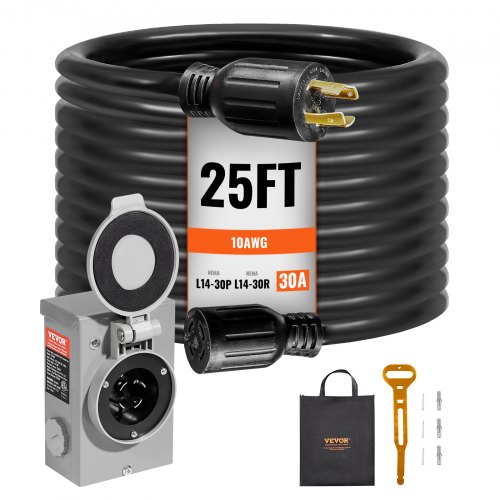
Extension cordsare simple and easy to use. They are good for short distancesand light tasks. But they may not handle high power well. Cable kitsare made for generators. They have thicker wiresand better insulation. This makes them safer for heavy loads.
Generator cable kits come in different materials. Most use copperor aluminum. Copper is a better conductor and lasts longer. Aluminum is lighter and cheaper but less durable.
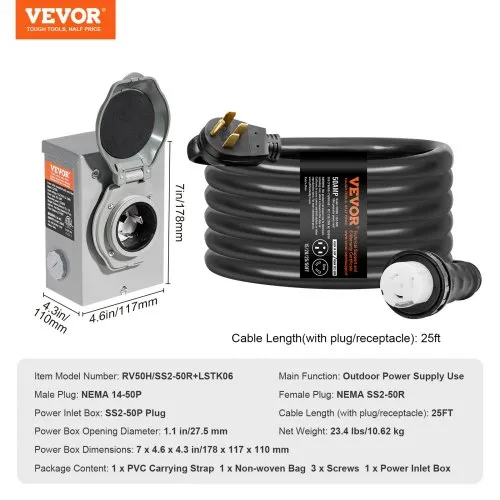
Choosing the right cable lengthis important. Too short means you can’t reach the device. Too long can cause power loss. Measure the distance and pick a cable just a bit longer.
Credit: www.vevor.com
Safety Ratings And Certifications
Choosing a safe generator cable kit means checking its safety ratingsand certifications. These show the cable meets strict rules for quality and safety.
Look for important safety standardssuch as:
- UL (Underwriters Laboratories)– ensures electrical products are safe.
- CSA (Canadian Standards Association)– certifies products for Canada and the US.
- CE Mark– shows compliance with European safety rules.
Labels and markings tell you more about the cable’s safety. Check for:
- Voltage rating– matches your generator’s power needs.
- Wire gauge– thicker wires carry more power safely.
- Manufacturer’s nameand model number– ensures authenticity.
- Date of manufacture– avoid very old cables.
Power Capacity And Compatibility
The cablemust handle the generator’s voltageand amperage. Check the generator’s output label to find these numbers.
Cables have voltage ratingsand ampacityvalues. Choose cables that meet or exceed your generator’s output. Using a cable rated for less power can cause overheating and damage.
Matching the cable size to your generator’s output is very important. Thicker cables carry more current safely. Thin cables may cause power loss and heat.
Here is a quick reference table for cable sizes and ratings:
| Cable Size (AWG) | Max Voltage (V) | Max Current (Amps) |
|---|---|---|
| 12 | 600 | 20 |
| 10 | 600 | 30 |
| 8 | 600 | 40 |
| 6 | 600 | 55 |
Durability And Weather Resistance
Insulation typesare key for durabilityand weather resistance. Common types include rubber, PVC, and thermoplastic elastomer (TPE). Rubber is flexible and handles cold well. PVC is tough and resists chemicals. TPE is soft, durable, and good for outdoor use.
Resistance to moistureand heatprotects the cable from damage. Look for cables with waterproofand heat-resistantratings. This helps prevent shorts and wear. Cables with UV protectionlast longer under sun exposure.
| Insulation Type | Key Features |
|---|---|
| Rubber | Flexible, cold-resistant, good for rough use |
| PVC | Strong, chemical-resistant, weatherproof |
| TPE | Soft, durable, UV and water-resistant |
Connector Types And Ease Of Use
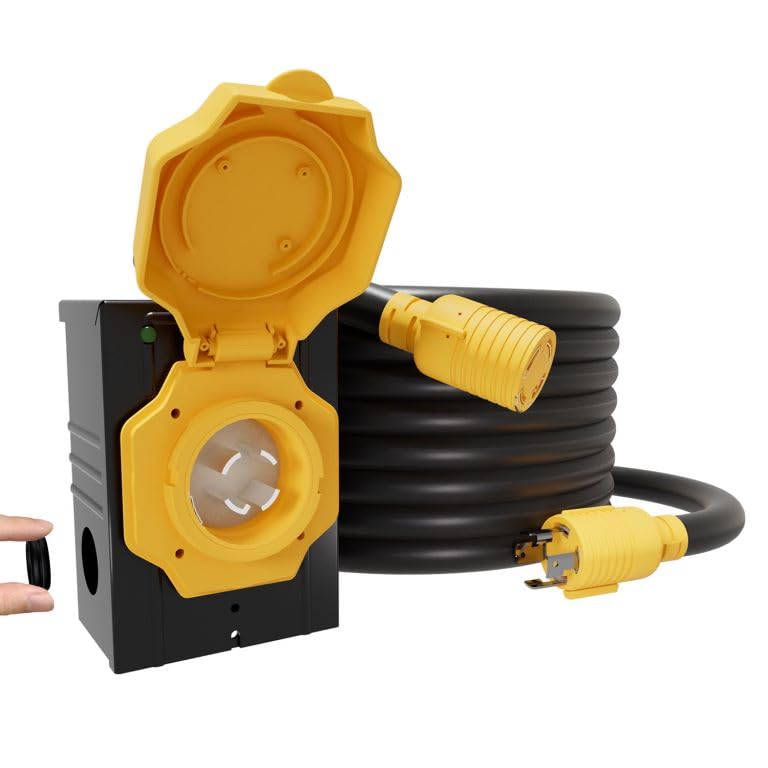
Generator cable kits come with different connector types. Common designs include twist-lock, pin-and-sleeve,and standard plugs. Each type fits specific sockets for safety and function.
Compatibility between plug and socketis key. The right match prevents loose connections and power loss. Check the shape and size before buying.
- Twist-lock connectorslock in place to avoid disconnection.
- Pin-and-sleeve connectorsoffer strong, durable contacts.
- Standard plugsare easy to use but less secure.
Choosing a cable kit with easy-to-use connectorssaves time and effort. Simple designs help connect quickly and safely, especially in low light or tight spaces.
Installation Tips
Choose a route for the cable that avoids sharp edges and heavy foot traffic. Keep cables away from heat sources or water pools. Use cable clips or ties to secure the cable along walls or under floors. Make sure the cable is not stretched tight or bent sharply. Leave some slack to prevent damage.
- Do not run cables across doorways or walkways.
- Keep cables off wet or oily surfaces.
- Use protective covers when cables cross roads or paths.
- Check cables regularly for cuts or wear.
Place warning signs near cables if possible. This helps others avoid tripping or damaging the cable. Always unplug the generator before moving or adjusting cables. Store cables in a dry, safe place when not in use.
Maintenance And Storage
Regular cleaningkeeps generator cables safe and working well. Use a dry cloth to remove dust and dirt. Avoid water or harsh chemicals that may damage insulation. Check cables often for cuts, cracks, or worn areas. Look for loose connectors or exposed wires. These can cause short circuitsor electric shock.
Store cables in a dry, cool placeaway from sunlight and moisture. Coil cables loosely to prevent kinks and damage. Avoid placing heavy items on top of cables to keep them from bending or breaking. Use hooks or reels to keep cables neat and easy to access.
- Keep cables away from heat sources.
- Store cables off the floor to avoid water damage.
- Label cables to identify their length and type quickly.
- Inspect cables before each use to ensure safety.
Top Brands And Budget Options
Trusted manufacturersensure high quality and safety. Brands like Coleman, Champion, and Southwireare known for durable generator cable kits. These brands follow strict safety standards and use strong materials.
For those on a budget, there are affordable yet safe choices. Look for kits with UL certificationor CSA approval. These marks show the product passed safety tests.
| Brand | Price Range | Safety Features | Best For |
|---|---|---|---|
| Coleman | High | Heavy-duty insulation, UL listed | Frequent use, harsh conditions |
| Champion | Medium | Water resistant, CSA approved | Home backup power |
| Southwire | Low to Medium | Flame retardant, UL listed | Light to medium use |
Credit: www.amazon.com
Frequently Asked Questions
What Is A Generator Cable Kit?
A generator cable kit includes cables and connectors for safe power transfer. It ensures proper connection between a generator and appliances. Using the right kit prevents electrical hazards and power loss.
How To Choose The Right Cable Size?
Select cable size based on generator wattage and distance. Larger cables handle higher power and reduce voltage drop. Always check manufacturer guidelines to match cable size with your generator’s output.
Why Is Insulation Important In Generator Cables?
Insulation protects against electrical shocks and weather damage. High-quality insulation ensures safety and durability. Choose cables with weather-resistant and heat-resistant insulation for outdoor use.
Can I Use Any Extension Cord With A Generator?
No, use heavy-duty, generator-rated extension cords only. Regular cords may overheat and cause fire hazards. Ensure the cord matches your generator’s power rating for safety.
Conclusion
Choosing the right generator cable kit keeps your power supply safe and steady. Check the cable’s length and thickness carefully. Match the cable to your generator’s power needs. Avoid cheap cables that may cause hazards. Good quality cables protect your home and devices.
Always follow safety instructions during installation. A safe cable kit means worry-free power use. Take time to pick the best fit for your setup. Safety matters most when dealing with electricity. Keep these tips in mind to stay protected.