
Imagine a storm hits, and suddenly, your power goes out. You’re left in the dark, and crucial appliances like your fridge and heating system are down.
That’s when a standby generator becomes your best ally. But wait, choosing the right size isn’t as simple as grabbing the first one you see. It’s about ensuring you have enough power without overspending on unnecessary capacity. You might wonder, “How do I pick the right size for my needs?
” Well, you’re not alone. Making the wrong choice can lead to frustrations and extra costs. This guide will walk you through the essentials, helping you make an informed decision. Stick around to discover how you can ensure your home stays powered up during any outage.
Assessing Power Needs
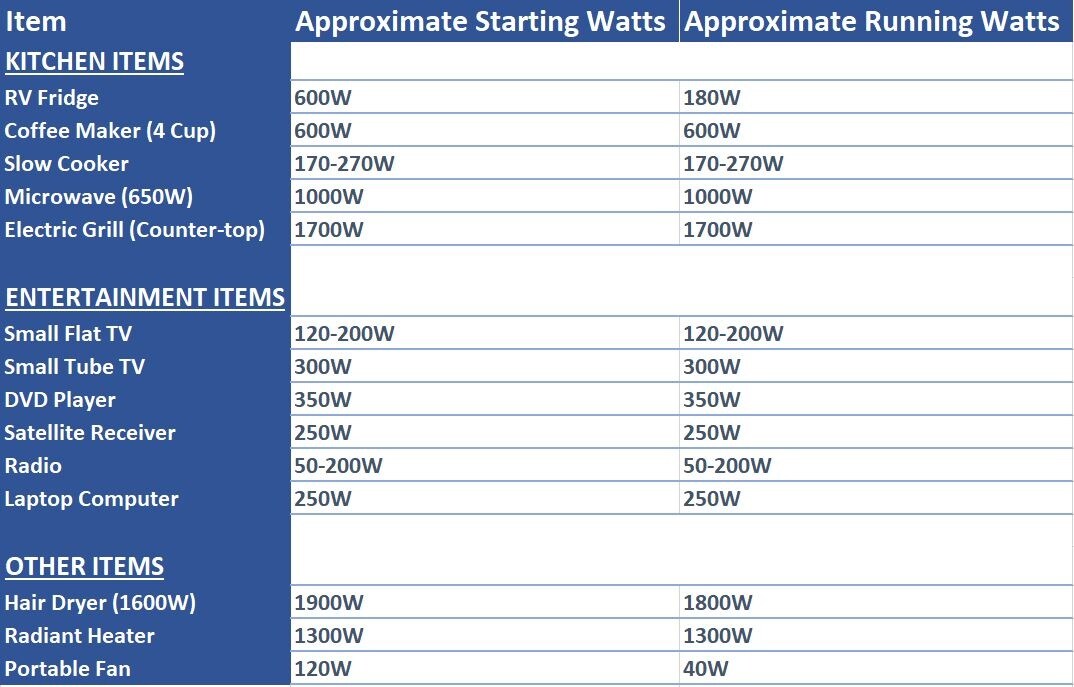
Make a list of essential appliances. Think about what you cannot live without. Refrigerators keep food fresh. Lights help us see at night. Heaters keep us warm in winter. Fans cool us in summer. List only what you need.
Check each appliance’s wattage. Find this on a label or manual. Add all the wattages together. This gives the total wattage needed. This number helps find the right generator size. It ensures all appliances work during power outages. Keep the list safe for future use.
Credit: x.com
Types Of Standby Generators
Selecting the correct standby generator size ensures uninterrupted power during outages. Consider your home’s energy demands and essential appliances to decide the capacity needed. Consulting with a professional can help match the generator size with your specific power requirements.
Portable Vs. Permanent
Portable generators are small and easy to move. They can power small appliances. People use them for short-term needs. Permanent generators are bigger and stay in one spot. They can power a whole house. They are more reliable than portable ones. Both types have their own uses. Choose based on your needs and budget.
Fuel Options
Generators need fuel to run. Gasoline is common for portable ones. It’s easy to find but needs safe storage. Diesel is a strong option for big, permanent generators. It lasts long and is efficient. Propane burns clean and is good for the environment. Natural gas connects directly to home lines. It’s convenient and never runs out.
Sizing Guidelines
Choosing the right standby generator size involves calculating your total power needs. Identify essential appliances and add their wattage. Consider future needs to ensure adequate capacity. Proper sizing prevents overload and ensures efficient operation during power outages.
Matching Generator Capacity
Choosing the right generator size is very important. First, list all appliances you need during an outage. Add up their total wattage. This helps in knowing the generator’s capacity. Appliances have labels showing their power needs. Check these labels carefully.
It’s better to choose a generator with more capacity than needed. This ensures smooth operation without overloading. A generator that is too small can be risky. It might fail when you need it most. Choose wisely to keep your home safe and powered.
Considering Future Expansion
Think about future power needs. Families grow, and so do power demands. Choose a generator that can handle more appliances later. This saves money in the long run. Expanding your home? Consider extra power needs. A bigger generator can handle new rooms or gadgets.
Plan for changes. This way, you’re not caught by surprise. A little foresight goes a long way in keeping your home powered.
Credit: www.electricgeneratorsdirect.com
Professional Assessment
Selecting the correct standby generator size ensures uninterrupted power supply during outages. Assess power needs by listing essential appliances and devices. Consult professionals for a precise evaluation of your energy requirements.
Consulting An Electrician
Electricians know about power needs. They check your home’s energy use. This helps in choosing the right generator. They look at your lights, fridge, and more. They make sure your generator is not too small. They prevent power problems. Electricians ensure safety and efficiency. Always ask for their advice.
Site Evaluation
Generators need a good spot. Find a safe place outside your house. Ensure it is away from windows and doors. Check the area for enough space. Avoid places with water. The ground should be flat and firm. Proper placement helps the generator run well. It also keeps your home safe.
Budget Considerations
Consider the generator’s cost before buying. Choose a size that fits your power needs without overspending. Balance quality and price for the best value.
Cost Vs. Efficiency
Balancing costwith efficiencyis important. A smaller generator might save money. But it may not run all your appliances. Larger generators cost more but offer better efficiency. They can power more devices at once. Think about what you need in emergencies. Decide based on your energy needsand budget.
Long-term Investment
Choosing the right generator is a long-term investment. Consider maintenance costs over time. Larger generators might have higher upkeep costs. Smaller ones may need less maintenance. Think about how long you plan to use it. Make sure it fits your home needsand future plans. Investing wisely can save money in the long run.
Installation And Maintenance
Choosing the right standby generator size is crucial for efficient power backup. Consider your home’s power needs and consult a professional for accurate sizing. Proper installation and regular maintenance ensure reliability during power outages.
Proper Setup
Setting up the generator in a safe place is key. Choose a spot where the generator is away from water. Safety is important. Make sure it is not close to flammable items. This helps to prevent fires. The generator should be on a flat surface. This keeps it stable during use. Connect the cables securely. Double-check the connections to avoid accidents.
Regular Checks
Check the generator often. Regular checks keep it working well. Look at the fuel levels. A generator needs fuel to run. Inspect the cables for any damage. Damaged cables can be dangerous. Listen for odd sounds when it runs. Strange noises might mean a problem. Keep it clean. Dirt can block parts and cause issues.
Safety Measures
Carbon monoxide is a dangerous gas. It can harm people quickly. Always place generators outside. Never use them indoors. Keep them away from windows and doors. This stops fumes from entering your home. Use a carbon monoxide alarm. It warns you of danger. Check it often to ensure it works.
Generators can be heavy. Be careful when moving them. Use gloves to protect your hands. Follow the manual for setup instructions. This helps avoid mistakes. Keep children away from generators. They can get hurt easily. Store fuel in a safe place. Avoid spills and fires. Regularly inspect your generator. Ensure all parts are working well.

Credit: ca.jackery.com
Frequently Asked Questions
How Do I Determine What Size Standby Generator I Need?
Calculate your total wattage needs by adding up the power usage of essential appliances. Choose a generator with a capacity that exceeds this total by 20-25% to ensure reliability and efficiency during operation. Consult with a professional for precise assessment and recommendations.
What Is The 20/20/20 Rule For Generators?
The 20/20/20 rule for generators suggests running them at 20% load for 20 minutes every 20 days. This practice helps maintain optimal performance, prevents moisture buildup, and extends lifespan. Regular maintenance ensures reliable operation during power outages, enhancing longevity and efficiency.
How To Size A Generac Standby Generator?
To size a Generac standby generator, calculate your home’s total wattage needs. Consider essential appliances and devices. Consult a professional for accurate assessment. Use Generac’s sizing calculator for guidance. Ensure the generator can handle peak loads for optimal performance. Proper sizing ensures reliable backup power during outages.
How Big Of A Generator Do I Need To Run A 2000 Sq Ft House?
A 7,500-watt generator typically suffices for a 2,000 sq ft house. It powers essential appliances and lights. Always check specific power needs before purchasing.
Conclusion
Choosing the right generator size is crucial for your home. It ensures your power needs are met. Start by listing essential appliances. Calculate their wattage. Consider future needs too. This helps avoid overloads. A professional can guide you if unsure.
Remember, a well-sized generator gives peace of mind. It keeps your home running smoothly during outages. Research and planning are key. Don’t rush the decision. Invest time now for long-term reliability. With the right size, you’ll face fewer power interruptions.
Enjoy consistent electricity when you need it most. Happy choosing!