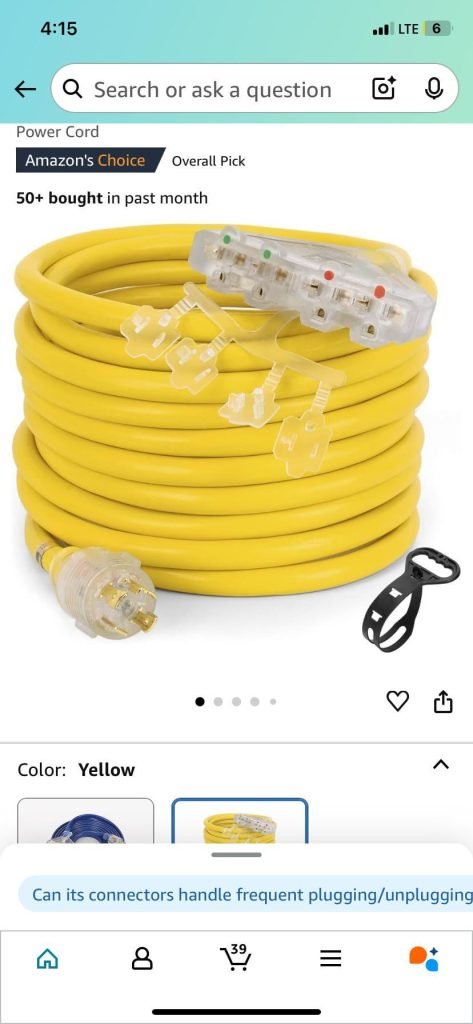
When it comes to powering your generator safely and effectively, the right extension cord can make all the difference. But with so many options available, how do you ensure you’re choosing a top-rated generator extension cord that meets your needs?
This guide is here to help you make an informed decision that will keep your home or campsite powered seamlessly. Imagine the peace of mind that comes with knowing your generator is operating at its best, even during unexpected power outages.
We’ll walk you through the key factors to consider, helping you avoid common pitfalls and ensure your generator performs reliably. Get ready to explore essential tips and insights that will empower you to choose a generator extension cord with confidence.

Credit: www.premium-electric.ca
Key Features To Consider
Cord lengthshould match your needs. Too short limits use. Too long can cause power loss. Gaugeshows cord thickness. Lower gauge means thicker wire, which carries more power safely.
Power capacitymust fit your device’s needs. Check the amp rating on the cord. Using a cord with lower capacity can cause overheating or damage.
Weather resistanceis key for outdoor use. Look for cords with waterproofand UV-resistantmaterials. This protects the cord from rain and sun damage.
| Connector Type | Use Case | Notes |
|---|---|---|
| Standard 3-Prong | Indoor and outdoor appliances | Most common and widely compatible |
| Twist-Lock | Generators and heavy equipment | Prevents accidental unplugging |
| Locking Connectors | Industrial and outdoor use | Secure connection in harsh conditions |

Credit: www.premium-electric.ca
Safety Factors
Overload protectionstops too much power from flowing through the cord. This prevents fires and damage to your devices. Choose cords with built-in circuit breakers or fuses for extra safety.
Grounding requirementsare important to avoid electric shocks. Use cords with a third prong or grounding wire. This directs extra electricity safely to the ground.
| Certifications | Meaning | Why It Matters |
|---|---|---|
| UL (Underwriters Laboratories) | Safety tested and approved | Ensures cord meets strict safety rules |
| CSA (Canadian Standards Association) | Meets Canadian safety standards | Good for use in Canada and similar climates |
| ETL (Intertek Testing Services) | Verified safety compliance | Shows cord follows US and Canadian rules |
Types Of Generator Extension Cords
Heavy-duty cordsare made for powerful generators. They have thick wires and can carry high power. These cords are best for large tools and long use. They last longer and are safer for big jobs.
Light-duty cordswork for small generators and light tools. They have thinner wires and are easy to carry. These are good for short tasks and low power devices.
| Use Type | Best For | Features |
|---|---|---|
| Outdoor | Gardens, camps, construction sites | Weatherproof, strong insulation, durable |
| Indoor | Home appliances, office tools | Lightweight, less insulation, not weatherproof |

Credit: www.amazon.com
Matching Cord To Generator And Appliances
Calculate the total wattageof all appliances you want to power. Add their running watts together. Check your generator’s maximum wattage output. The cord must handle this amount safely. Use a cord with a higher wattage ratingthan your total needs.
Choose the right gaugeto carry the current without overheating. Thicker wires (lower gauge numbers) carry more power. For example:
- 16 gauge: up to 13 amps, for small tools
- 14 gauge: up to 15 amps, for medium appliances
- 12 gauge: up to 20 amps, for large appliances
- 10 gauge: up to 30 amps, for heavy equipment
Check connector compatibilitybetween your generator and appliances. Match plug types to avoid using adapters. This ensures safe, secure connections and avoids power loss or shorts.
Maintenance And Storage Tips
Handle extension cords carefullyto avoid damage. Do not pull cords by the plug or bend them sharply. Always unplug by gripping the plug itself, not the cord. Keep cords dry and clean to prevent wear and tear.
Store cords in a cool, dry place away from sunlight and moisture. Use a reel or coil cords loosely to stop tangles and kinks. Avoid placing heavy objects on stored cords to prevent crushing.
| Inspection Item | What to Check |
|---|---|
| Plug & Socket | Look for cracks, bent prongs, or loose connections. |
| Cord | Check for cuts, frays, or exposed wires. |
| Insulation | Ensure it is intact without signs of melting or damage. |
| Performance | Test by plugging in and checking for proper power flow. |
Common Mistakes To Avoid
Using undersized cordscan cause overheating and fire risks. Always choose a cord with the right thickness and length for your generator’s power. Too thin cords cannot handle high power loads safely.
Ignoring weather conditionscan damage your extension cord. Use cords rated for outdoor use in wet or cold weather. Water and cold can cause shorts or cracks in regular cords.
Neglecting safety guidelinesputs you at risk of electric shock or fire. Never connect cords to damaged outlets or overload circuits. Keep cords away from sharp edges and heat sources.
Top Brands And Models
Many top brandsoffer reliable generator extension cords. These cords are made to handle high power loadssafely. They come in various lengths and thicknessesto fit different needs.
- Popular Choices: Brands like Iron Forge Cable, Southwire, and Camcoare well-known. Their cords have durable insulationand heavy-duty plugs.
- Budget-Friendly Options: Brands such as Woodsand AmazonBasicsprovide affordable cords. They offer good safety featureswithout high prices.
- Premium Picks: For extra durability, brands like Goodyearand Yellow Jacketstand out. These cords often have extra thick insulationand weather-resistant covers.
Frequently Asked Questions
What Length Should A Generator Extension Cord Be?
Choose a length that reaches your generator to appliances safely. Avoid cords that are too short or excessively long to prevent power loss and tripping hazards.
How To Determine The Right Wire Gauge For Extension Cords?
Select a wire gauge based on the cord’s length and power load. Thicker gauges (lower numbers) handle more power and reduce voltage drop.
Can Generator Extension Cords Be Used Outdoors Safely?
Yes, but ensure the cord is rated for outdoor use. Outdoor cords have durable insulation to resist moisture, sunlight, and temperature changes.
What Features Make An Extension Cord Top-rated For Generators?
Look for heavy-duty insulation, correct wire gauge, grounded plugs, and weather resistance. Certifications like UL ensure safety and reliability.
Conclusion
Choosing the right generator extension cord keeps your devices safe. Check the cord’s length and thickness carefully. Match the cord’s rating with your generator’s power needs. Always pick cords with proper insulation and weather resistance. Using the correct cord reduces risks and improves performance.
A good cord helps your generator work smoothly and safely. Take time to compare options before buying. This small step saves trouble later. Stay safe and keep your power steady.