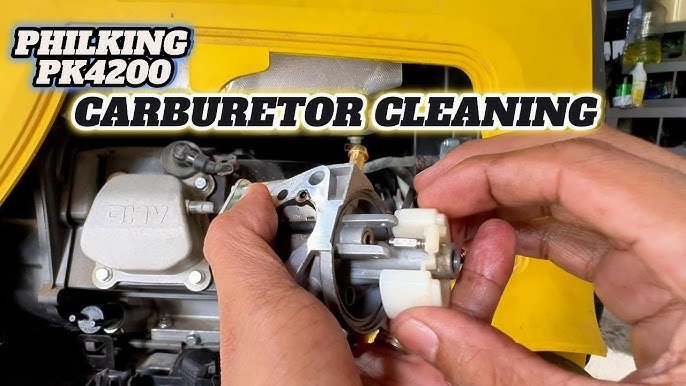
If your generator has been acting up lately, leaving you in the dark when you need it most, the culprit might just be a clogged carburetor. A clean carburetor is essential for your generator to function smoothly and efficiently.
The good news? You can clean it yourself without needing any special skills or tools. Imagine the peace of mind you’ll have knowing your generator is ready to power up whenever you need it. In this guide, you’ll discover simple, step-by-step instructions that will make the process easy and stress-free.
So, let’s dive in and get your generator back to running like new!

Credit: www.youtube.com
Signs Of A Dirty Carburetor
Engine performance issuesare common signs of a dirty carburetor. The generator may run rough or stall often. Power output can drop, making the machine less reliable. You might notice the engine sputtering or misfiring during use.
A fuel odor and leaksaround the carburetor area also indicate problems. The smell of gasoline may be strong, signaling a leak or clogged passage. Fuel leaks can cause safety risks and reduce fuel efficiency.
Starting difficultieshappen when the carburetor is clogged. The engine may take many tries to start or fail completely. Cold starts become harder, and the generator may need more choke than usual.
Tools And Materials Needed
Cleaning a generator carburetor needs some basic suppliesand special tools. Start with a clean clothto wipe parts and a small brushto remove dirt. Use carburetor cleaner sprayto dissolve grime inside the carburetor. A container to soak small parts is helpful.
Special tools include a screwdriver setto open the carburetor and a small pickor needle to clear tiny holes. A wrenchmay be needed to remove the carburetor from the engine.
Safety is very important. Wear glovesto protect your hands from chemicals. Use safety glassesto shield your eyes. Work in a well-ventilatedarea to avoid breathing harmful fumes.
Preparing The Generator
First, make sure the generator is turned offand has had time to cool down. This prevents burns and accidents. Never work on a hot engine.
Next, disconnect the batteryto avoid any electrical shorts or shocks. This is an important safety step.
Drain the fuel from the tank to stop fuel leaks and spills. Use a container to catch old fuel and dispose of it properly. This helps keep the workspace clean and safe.
Removing The Carburetor
The carburetoris usually found near the engine. It connects to the air filter and fuel tank.
To detach the fuel lines, gently squeeze the clamps. Then, carefully pull the tubes off. Be ready for some fuel to spill out.
Remove the mounting screwsthat hold the carburetor in place. Keep the screws safe for later use.
Cleaning The Carburetor
Start by carefully removing the carburetor from the generator. Take off the screws and separate the parts gently. Keep all small pieces safe to avoid loss.
Use a carburetor cleaner sprayto remove dirt and grime. Spray it on all surfaces and inside the small holes. Let it sit for a few minutes to dissolve buildup.
Clear the jets and passages by blowing air through them or using a thin wire. This step removes blockages that stop fuel flow. Clean until you see no dirt or clogs.
Inspecting And Replacing Parts
Check gaskets and sealsfor cracks or damage. Replace any that look worn out. Damaged seals can cause fuel leaks and poor engine performance.
Replace worn parts like jets, screws, and springscarefully. Using new components helps the carburetor work smoothly. Old parts may cause blockages or leaks.
| Component | What to Check | Signs of Wear |
|---|---|---|
| Float | Moves freely without sticking | Sticks or sinks in fuel |
| Needle Valve | Seals tightly to stop fuel flow | Leaking or not sealing properly |
Test the float by gently moving it. It should not stick or feel heavy. Check the needle valve for a tight seal. Replace if fuel leaks through.
Reassembling And Reinstalling
Carefully place all cleaned parts back in their correct positions. Make sure the gasketsand sealsare properly aligned to avoid leaks. Tighten screws and bolts firmly but avoid overtightening to prevent damage.
Align the carburetor with the generator’s mounting points. Use the original screws or bolts to secure the carburetortightly. Check that it sits flush without gaps to ensure a good seal.
Reconnect the fuel linesto their correct ports on the carburetor. Use clamps if necessary to keep the lines from slipping off. Double-check for any cracks or damage in the fuel lines before attaching.
- Attach fuel line from tank to carburetor inlet.
- Connect return line, if present, to its outlet.
- Ensure all connections are tight to stop leaks.
Once everything is connected, gently move the carburetor to confirm it is secure. Test for any fuel leaks before starting the generator.
Testing And Adjusting
Start the generator by turning the key or pulling the cord. Listen carefully for smooth running without sputters. If the generator does not start easily, check the carburetor for dirt or clogs.
Adjust the idle speed by turning the idle screw. Turning it clockwise will increase the speed, while counterclockwise will decrease it. Set the speed so the engine runs smoothly without stalling or racing.
Fine-tune the fuel mixture using the mixture screw. Turn the screw slowly and watch the engine’s response. A richer mixture (more fuel) improves power but can cause smoke. A leaner mixture (less fuel) saves gas but may cause rough running.
- Turn mixture screw clockwise for leaner fuel
- Turn mixture screw counterclockwise for richer fuel
- Adjust until engine runs steady and strong
Maintenance Tips For Longevity
Keeping a regular cleaning schedulehelps your generator work well for years. Dirt and fuel residue can block the carburetor, causing poor performance. Clean the carburetor every few months or after heavy use.
Use fresh fuelevery time you fill the tank. Old fuel can gum up the carburetor and make the engine hard to start. Avoid storing fuel for more than 30 days.
Proper storageis key. Drain the fuel if you won’t use the generator for a long time. Store it in a dry, cool place to prevent rust and damage. Cover the generator to keep dust away.

Credit: www.youtube.com

Credit: www.youtube.com
Frequently Asked Questions
How Often Should I Clean A Generator Carburetor?
Clean the carburetor every 6 months or after 50 hours of use. Frequent cleaning prevents clogging and improves performance. Regular maintenance extends the generator’s lifespan and ensures reliable starts.
What Tools Are Needed To Clean A Generator Carburetor?
You need a screwdriver, carburetor cleaner spray, compressed air, and a small brush. These tools help remove dirt and debris effectively. Proper tools ensure thorough cleaning without damaging parts.
Can I Clean The Carburetor Without Removing It?
Yes, you can clean some carburetors without removal using spray cleaner. However, deep cleaning requires removal for better access. Removing the carburetor allows for a more thorough and effective cleaning.
What Causes Carburetor Clogging In Generators?
Carburetor clogging is caused by stale fuel, dirt, and debris buildup. These block fuel flow and reduce engine efficiency. Using fresh fuel and regular cleaning prevents clogging and maintains performance.
Conclusion
Cleaning your generator carburetor keeps your machine running smoothly. Dirt and debris block fuel flow and cause problems. Regular cleaning helps avoid costly repairs and extends generator life. Take your time and follow safe steps carefully. A clean carburetor means better performance every time you start.
Keep your generator ready for use when you need it most. Small effort now saves big trouble later. Simple care makes a big difference.