
Are you tired of dealing with a generator that just won’t run smoothly? Does the thought of cleaning it seem daunting?
You’re not alone. Keeping your generator engine clean is essential for its longevity and performance, but many find it challenging to start. Imagine the peace of mind knowing that your generator is ready to power up whenever you need it, without a hitch.
By following a simple cleaning routine, you can ensure that your generator remains in top shape, saving you time and money in the long run. So, are you ready to discover how to clean your generator engine easily and effectively? Let’s dive in and make your generator maintenance a breeze!
Preparing For Cleaning
Gather all necessary toolsbefore starting the cleaning process. These include a wrench, clean cloths, brushes, and cleaner spray. Having everything ready saves time and effort.
Ensure safety measuresare in place. Always turn off the generator and let it cool down. Use glovesand eye protectionto prevent injuries.
Position the generator on a flat, stable surface. This stops it from moving during cleaning. Make sure the area is well-ventilated to avoid breathing in fumes.

Credit: www.morganscloud.com
Cleaning The Exterior
Use a soft brush or cloth to remove loose dirt and debris from the generator’s exterior. Avoid harsh scrubbing to prevent scratches. A mild soap solution helps clean stubborn stains without damaging the surface.
Dust and dirt can block air vents. Clear these vents gently using compressed air or a soft brush. This ensures proper airflow and prevents overheating.
Filters trap dust and dirt. Check the air filter regularly and remove it carefully. Wash or replace the filter based on the manufacturer’s instructions. Clean filters help the engine run smoothly and last longer.
Cleaning The Engine Components
Check the spark plugsfor dirt and wear. Remove them carefully using a spark plug wrench. Clean the plugs with a wire brush to remove carbon buildup. If the plugs look damaged or very dirty, consider replacing them. Proper spark plugs help the engine start and run smoothly.
The carburetormixes air and fuel for the engine. Dirt inside can cause the engine to stall or run poorly. Remove the carburetor and spray a carburetor cleaner inside. Use a small brush or compressed air to clear out clogs. Let it dry fully before putting it back.
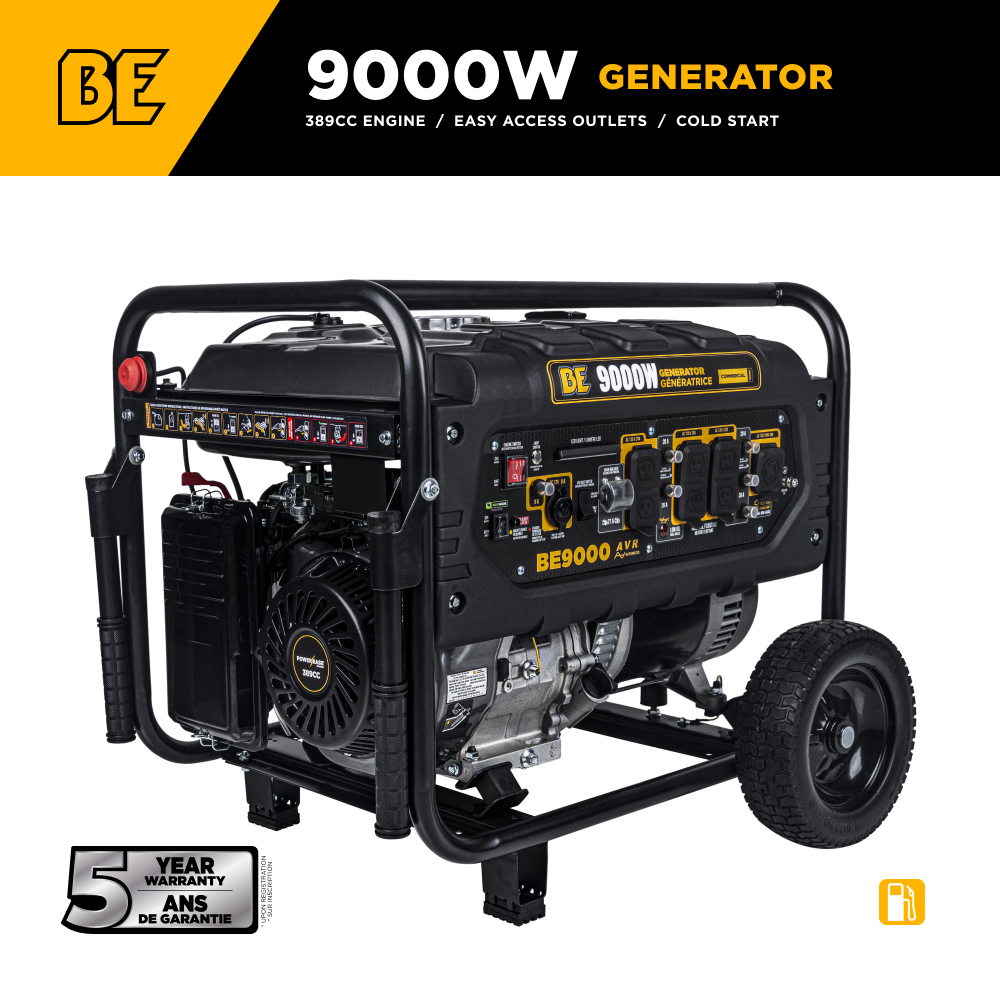
Use a clean cloth to wipe down the engine block. Remove grease, dirt, and dust gently. Avoid spraying water directly on electrical parts. Cleaning the engine block helps prevent overheating and keeps the engine in good shape.
Credit: bepowerequipment.com
Maintaining The Fuel System
Old fuel can cause clogsand damage to the engine. Drain it fully before storing the generator. Use a container to catch all fuel safely. Dispose of old fuel according to local rules.
Cleaning the fuel tank helps remove dirtand rust. Use a clean cloth and a mild detergent. Rinse the tank with clean water. Let it dry completely before refilling.
Fuel filters catch impuritiesbefore fuel reaches the engine. Replace filters regularly to keep fuel flow clean and smooth. Check the filter’s condition during each cleaning session.
Lubrication And Oil Change
Draining old oil is important for engine health. Warm the engine slightly to make oil flow easier. Use a drain pan to catch the oil. Remove the drain plug carefully and let all oil drain out. Replace the drain plug tightly after draining.
Choosing the right oil keeps the engine running well. Check the engine manual for recommended oil type. Use oil with the correct weight and grade. Fresh oil protects engine parts from wear and tear.
Adding fresh oil is simple but must be done correctly. Use a clean funnel to avoid spills. Pour the new oil slowly into the oil fill hole. Check the oil level with a dipstick and add more if needed. Do not overfill to avoid engine damage.
Final Checks And Testing
Carefully check all engine parts for any oil or fuel leaks. Look under the generator and around the engine. Tighten loose bolts or clamps to stop leaks.
Turn the generator on. Listen for any unusual sounds. The engine should run smoothly and start quickly. If it struggles, it may need more cleaning or repair.
Watch the generator for a few minutes. Check the fuel gaugeand oil levels. Make sure the engine does not overheat or smoke. Proper performance means the cleaning was successful.
Tips For Regular Maintenance
Regular cleaning keeps your generator engine running smoothlyand efficiently. Schedule cleaning sessions every few months, depending on usage. This helps remove dirt and build-up.
Store the generator in a dry, cleanplace. Cover it to protect from dust and rain. Proper storage prevents rust and damage.
Keep a maintenance log to track cleaning dates, repairs, and oil changes. This helps you remember when the generator needs care next.

Credit: www.reddit.com
Frequently Asked Questions
How Often Should I Clean My Generator Engine?
Clean your generator engine every 100 hours of use or at least twice a year. Regular cleaning prevents dirt buildup and ensures smooth operation. Follow the manufacturer’s guidelines for specific maintenance intervals.
What Tools Do I Need To Clean A Generator Engine?
You need a soft brush, clean cloth, mild detergent, and a vacuum or compressed air. These tools help remove dust, grease, and debris safely without damaging engine parts.
Can I Use Water To Clean The Generator Engine?
Avoid using water directly on the generator engine to prevent electrical damage. Use a damp cloth for wiping and compressed air for removing dust instead.
Why Is Cleaning The Generator Engine Important?
Cleaning removes dirt and grime that can cause overheating and reduce efficiency. A clean engine runs smoothly, extends lifespan, and lowers maintenance costs.
Conclusion
Cleaning your generator engine keeps it running strong and safe. Regular care stops dirt and grime from causing damage. Always use the right tools and follow simple steps. A clean engine works better and lasts longer. Take time to check and clean often.
This small effort saves you from big problems later. Keep your generator ready for when you really need it. Simple actions make a big difference. Clean it well, run it well.