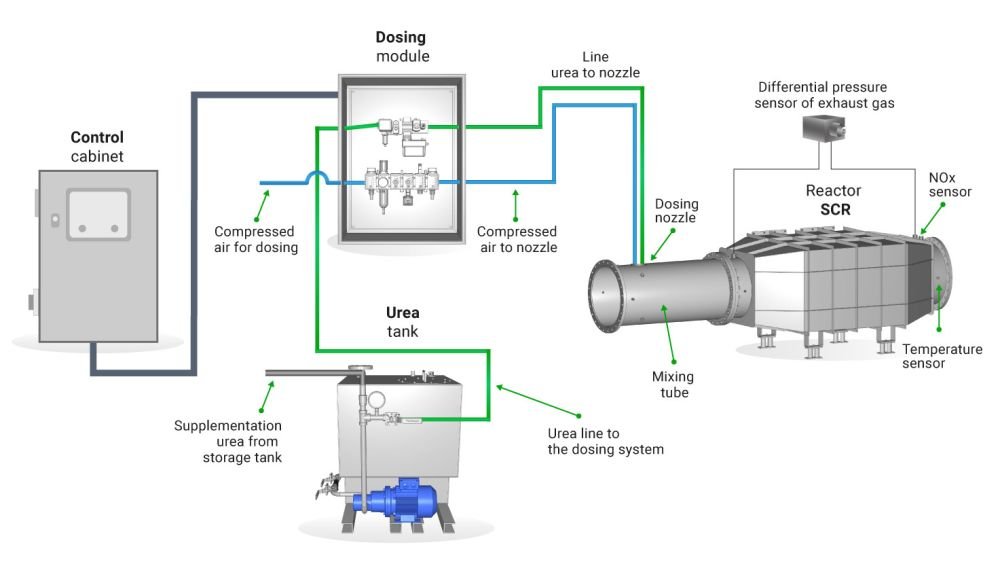
Is your generator not performing as efficiently as it used to? The problem might lie in its exhaust system.
Neglecting the cleanliness of your generator’s exhaust can lead to reduced performance, increased fuel consumption, and even costly repairs. But don’t worry—keeping it clean doesn’t have to be daunting. In this guide, you’ll discover simple, actionable steps to maintain your generator’s exhaust system effectively.
By taking just a little time to learn these tips, you can ensure your generator runs smoothly, saving you money and extending its lifespan. Ready to unlock the secrets to a cleaner, more efficient generator? Let’s dive in!

Credit: www.reddit.com
Generator Exhaust Basics
The generator exhaust systemmoves hot gases safely away. It stops dangerous fumes from building up. Key parts work together to do this.
| Component | Function |
|---|---|
| Exhaust Manifold | Collects gases from the engine cylinders |
| Muffler | Reduces noise from exhaust gases |
| Exhaust Pipe | Directs gases away from the generator |
| Flexible Connector | Absorbs vibrations and movements |
Common issuesinclude blockages, leaks, and rust. Blockages cause poor airflow and more heat. Leaks can let fumes escape near people. Rust weakens pipes and parts. Regular checks help catch these problems early.

Credit: flowtechadvantage.com.au
Safety Precautions
Protective gearis important for cleaning the generator exhaust system safely. Wear glovesto protect your hands from sharp edges. Use safety gogglesto shield your eyes from dust and debris. A dust maskhelps you breathe safely by blocking harmful particles. Long sleeves and pants protect your skin from burns or cuts.
Creating a safe work environmentis key. Make sure the area is well-ventilatedto avoid breathing exhaust fumes. Keep the workspace clean and dryto prevent slips and falls. Turn off the generator and let it cool before starting any work. Keep a fire extinguishernearby for emergencies. Avoid distractions to stay focused on the task.
Tools And Materials Needed
Cleaning a generator exhaust system requires the right toolsand materialsfor safety and efficiency.
- Cleaning Supplies:Use a wire brush or scraper to remove soot and rust.
- Soft cloths or rags help wipe down surfaces after brushing.
- Use a degreaser or mild detergent to clean oily spots.
- Wear gloves and safety goggles to protect hands and eyes.
- Inspection Tools:A flashlight helps spot cracks or damage inside the exhaust.
- Use a mirror on a stick to view hard-to-see areas.
- A wrench or socket set may be needed to remove parts.
- Check for loose bolts or worn-out gaskets during inspection.
Step-by-step Cleaning Process
Turn off the generator and let it cool down completely. Disconnect the spark plug wire to avoid accidental starts. Wear gloves and safety glasses for protection.
Loosen and remove the exhaust parts carefully. Keep track of screws and bolts to avoid losing them. Place parts on a clean surface for easy access.
Use a wire brush or scraper to clean the exhaust pipe. Remove soot, dirt, and rust from inside and outside the pipe. Wipe it down with a clean cloth afterward.
Tap the muffler gently to loosen debris inside. Use compressed air to blow out dust and soot. If clogged, soak the muffler in warm soapy water, then rinse and dry.
| Damage Type | What to Check | Action |
|---|---|---|
| Cracks | Look for visible cracks on pipes and muffler | Replace damaged parts immediately |
| Rust | Check for heavy rust or corrosion | Clean minor rust; replace if severe |
| Loose Connections | Inspect bolts and joints | Tighten or replace as needed |
Maintenance Tips For Longevity
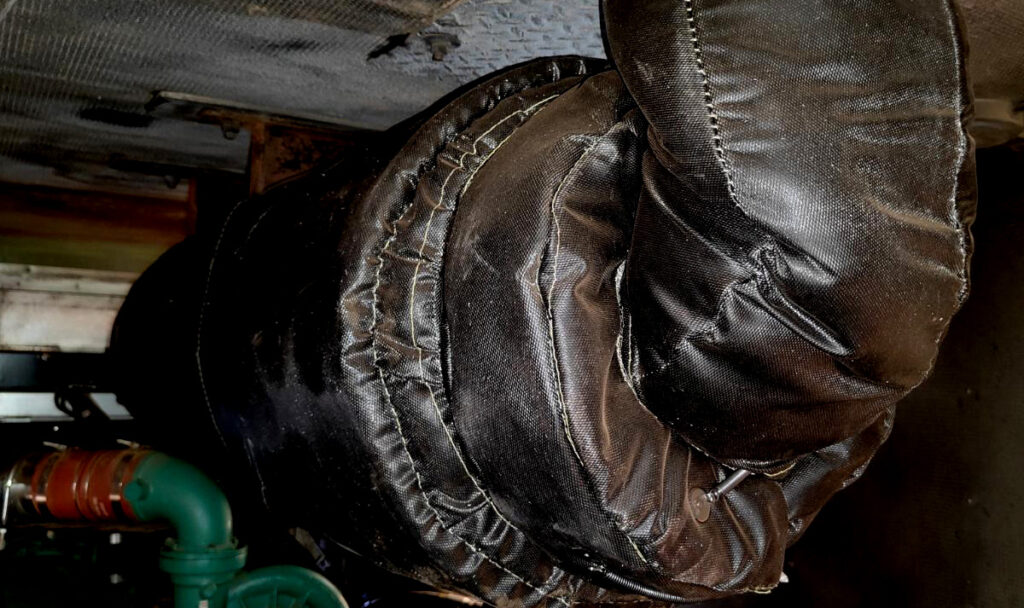
Keeping a regular cleaning schedulehelps avoid buildup in the exhaust system. Dirt and soot can block pipes and reduce engine power. Clean the exhaust every few months or after heavy use.
Preventing blockages means checking for leaves, dust, and rust. These can clog the exhaust and cause smoke or noise. Use a soft brush or cloth to clear the parts gently.
Monitoring exhaust performance is key. Watch for unusual sounds, smoke color, or smell. These signs show if cleaning or repair is needed. Early action keeps the generator running well and safe.
Credit: flowtechadvantage.com.au
Troubleshooting Exhaust Problems
Unusual noisesfrom the exhaust can mean trouble. A rattling soundmay signal loose parts or broken mounts. A hissing noisecould mean leaks in the exhaust system. Listen carefully to find the source. Fixing noise early stops bigger damage.
Smoke issuesfrom the generator exhaust show engine problems. Blue smokemeans oil is burning. Black smokesignals too much fuel. White smokemay mean coolant leaks. Cleaning the exhaust or checking the engine helps reduce smoke.
Corrosion weakens exhaust pipes and parts. Rust can cause holes and leaks. Check pipes regularly for rust spots. Use rust removeror anti-corrosion sprayto protect metal. Replace parts if corrosion is severe. Keeping exhaust clean stops rust from spreading.
Frequently Asked Questions
How Often Should I Clean My Generator Exhaust System?
Clean your generator exhaust system every 6 to 12 months. Frequent cleaning prevents blockages and ensures optimal engine performance. Regular maintenance reduces harmful emissions and extends the generator’s lifespan. Always follow the manufacturer’s guidelines for cleaning intervals.
What Tools Are Needed To Clean The Exhaust System?
You need a wire brush, cleaning cloth, screwdriver, and mild detergent. Protective gloves and safety glasses are essential for safety. A vacuum cleaner helps remove soot and debris from tight spaces efficiently.
Can I Clean The Exhaust System Myself Safely?
Yes, you can clean it safely with proper precautions. Ensure the generator is off and cooled down before starting. Wear protective gear and work in a well-ventilated area to avoid inhaling fumes or dust.
Why Is Cleaning The Generator Exhaust System Important?
Cleaning prevents soot buildup, which blocks exhaust flow and reduces efficiency. It also lowers the risk of overheating and engine damage. A clean exhaust system helps maintain fuel efficiency and reduces harmful emissions.
Conclusion
Cleaning your generator’s exhaust system keeps it working well. Regular care stops blockages and smoke problems. Use simple tools and gentle cleaners for best results. Check the exhaust often to catch issues early. Clean parts help your generator run longer and safer.
Small steps can save big repair costs later. Keep your generator ready for power needs anytime. A clean exhaust system means peace of mind. Easy to do, but very important. Take action now for smooth generator performance.