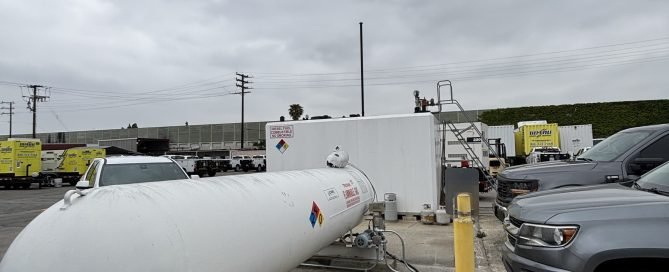
Have you ever faced issues with your generator just when you needed it the most? A well-maintained generator can be your best friend during power outages, but neglecting its fuel tank can lead to unexpected problems.
If you’ve noticed your generator sputtering or failing to start, it might be time to give its fuel tank a thorough cleaning. By learning how to clean your generator fuel tank, you not only extend the life of your equipment but also ensure its peak performance when you need it most.
Imagine the peace of mind you’ll feel knowing that your generator is ready to power up without a hitch. In this guide, you’ll discover simple, step-by-step instructions to keep your generator running smoothly, so you’re always prepared. Dive in, and let’s ensure your generator is in top shape!
Signs Of A Dirty Fuel Tank
Dirty fuel tanksshow clear signs that affect your generator’s function. Fuel contamination often causes clogged filtersand poor engine starting. You might notice rough idlingor engine stallingduring operation. The fuel may look cloudyor have visible sediment or debris. These are signs that water or dirt has mixed with the fuel.
Dirty fuel damages engine parts over time. It reduces fuel efficiencyand power output. You may hear unusual noisesor see excessive smokefrom the exhaust. These issues often mean the generator needs cleaning and maintenance.

Credit: shop.cummins.com
Tools And Materials Needed
Gather the right cleaning suppliesbefore starting. You need a fuel tank cleaneror mild detergent. Use a soft brushto scrub the inside gently. Have a clean clothor rag for wiping. A drip panhelps catch spills. Prepare some fresh waterfor rinsing.
Wear safety equipmentto protect yourself. Use glovesto keep hands safe from chemicals. Safety gogglesprotect your eyes from splashes. Wear a maskto avoid breathing fumes. Work in a well-ventilatedspace or outside. Keep a fire extinguishernearby for emergencies.
Preparing The Generator
Turn off the generator before cleaning the fuel tank. Let it cool for at least 30 minutes to avoid burns. Never touch the tank while it is hot. Safety first.
Locate the fuel tank and disconnect it carefully. Use a wrench to loosen the fuel line connection. Place a container below to catch any fuel spills. Keep the area well-ventilated to avoid fumes.
- Wear gloves to protect your hands from fuel.
- Use a clean cloth to wipe dirt around the tank.
- Make sure no fuel leaks during disconnection.
- Handle fuel with care to prevent accidents.
Draining The Fuel Tank
Draining the fuel tank requires care to avoid spills. Use a clean container to catch old fuel. This fuel should never be poured down drains or on soil. Store it safely in a sealed container labeled “Used Fuel.”
Proper fuel disposal protects the environment and prevents fires. Take old fuel to a hazardous waste disposal site or recycling center. Local regulations may have specific rules for disposal.
Spills can cause fires and harm plants and animals. Place a drip tray under the tank to catch leaks. Wear gloves to protect your skin from fuel contact.
- Always drain fuel outdoors or in a well-ventilated area.
- Keep a fire extinguisher nearby during the process.
- Clean any spills immediately with absorbent materials.
- Never smoke or use open flames near the fuel tank.
Cleaning The Tank Interior
Start by draining all the old fuel from the tank. Debris and sediments settle at the bottom. Use a flashlight to check inside the tank for dirt. Remove loose debris with a clean cloth or a small brush. Avoid pushing dirt deeper into the tank.
Choose a cleaning agent that is safe for metal tanks. Follow the instructions on the label carefully. Wear gloves and work in a well-ventilated area. Pour the cleaning solution inside and let it sit for the time recommended. Rinse the tank thoroughly with clean water to remove all residues. Allow the tank to dry completely before refilling with fuel.

Credit: www.wholesalemarine.com
Inspecting And Cleaning Fuel Lines
Fuel lines can get cloggedwith dirt or old fuel. This stops the generator from working well. Check the lines for any blockagesby looking for cracks, leaks, or hard spots.
Flushing fuel lines removes dirt and old fuel. Use a clean container and fresh fuel or special cleaner. Run it through the lines to clear any debris. This keeps fuel flowing smoothly and the generator running strong.
Reassembling The Fuel Tank
Make sure all parts are dry before putting the fuel tank back together. Use a clean cloth to wipe any leftover dirt or moisture. Place the fuel tank components carefully to avoid damage. Tighten screws and clamps to keep everything in place. Check for any cracks or holes that need fixing before sealing.
Seal the tank using a fuel-resistant gasket or sealant. This stops fuel leaks and keeps dirt out. Secure the fuel cap tightly to avoid spills or evaporation.
Fill the tank with fresh, clean fuel. Avoid using old or contaminated fuel as it can harm the generator. Pour slowly to prevent splashes. After refilling, check for leaks around the cap and seams.
Maintenance Tips For Fuel Tanks
Keeping a regular cleaning schedulehelps prevent dirt and rust buildup inside the fuel tank. Old fuel can create sludge that clogs the system and reduces engine life. Drain the tank completely and wipe the inside with a clean cloth. Use a mild detergent if needed, then rinse and dry thoroughly before refilling.
Fuel stabilizers protect fuel from breaking down over time. Adding stabilizers to the tank can stop fuel from becoming stale during long storage periods. This keeps the engine running smoothly and avoids costly repairs. Follow the product instructions for the right amount to use.

Credit: www.amazon.com
Frequently Asked Questions
How Often Should I Clean My Generator Fuel Tank?
You should clean your generator fuel tank every 6 to 12 months. Frequent cleaning prevents fuel contamination and prolongs engine life. Always check for sludge or debris during regular maintenance. Cleaning frequency may increase in dusty or humid environments.
What Tools Are Needed To Clean A Fuel Tank?
Essential tools include a wrench, fuel siphon pump, cleaning brush, and a container for old fuel. Use gloves and safety goggles for protection. Having a fuel stabilizer and fresh fuel ready is also helpful for refilling after cleaning.
Can I Use Household Cleaners For Fuel Tank Cleaning?
Avoid household cleaners as they may damage the tank or leave harmful residues. Use only specialized fuel tank cleaners or mild detergent solutions. Proper fuel tank cleaners dissolve sludge without harming metal or plastic components.
How Do I Safely Dispose Of Old Generator Fuel?
Store old fuel in approved containers away from heat or flames. Take it to a hazardous waste disposal facility or recycling center. Never pour old fuel down drains or on the ground to protect the environment.
Conclusion
Cleaning your generator fuel tank keeps it working well and safe. Dirt and old fuel cause problems. Regular cleaning stops clogs and damage. Use simple tools and follow steps carefully. Clean tanks help your generator last longer. A clean tank means better fuel flow.
Take time to do this task right. Your generator will run smoother and start easier. Keep your equipment ready for any power need. Simple care saves money and avoids trouble later.