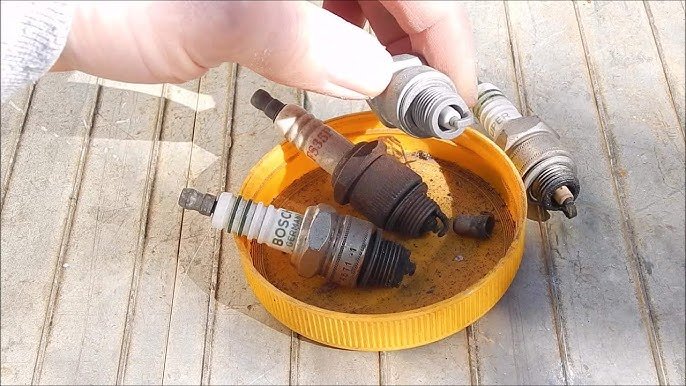
Your generator’s spark plug plays a crucial role in keeping your machine running smoothly. But when it gets dirty, your generator can struggle to start or run efficiently.
You might think replacing the spark plug is the only option, but cleaning it properly can save you time and money. You’ll discover simple, step-by-step methods to clean your generator’s spark plug quickly and effectively. By the end, you’ll know exactly how to keep your generator firing on all cylinders whenever you need it most.
Keep reading to unlock these easy maintenance tips!
Credit: www.powerequipmentforum.com
Spark Plug Basics
The spark plugis a small device that helps start the generator’s engine. It makes a spark to light the fuel-air mix inside the engine. This spark is very important for the generator to work well.
Good spark plugs make the generator run smoothly and save fuel. Dirty or worn spark plugs can cause many problems.
- Hard starting:The engine may take long to start or fail to start.
- Rough running:The engine may shake or run unevenly.
- Low power:The generator may not produce enough electricity.
- High fuel use:The generator may use more fuel than needed.
- Black smoke:Smoke may come out of the exhaust.
Tools And Materials Needed
Cleaning a generator spark plug requires a few basic tools and materials. Having the right supplies makes the job easier and safer.
- Cleaning Supplies:A wire brush, spark plug cleaner, and a small container for cleaning solution.
- Sandpaper or a spark plug file to remove tough deposits.
- A clean rag or cloth to wipe the plug after cleaning.
- Safety Gear:Safety glasses to protect your eyes from debris.
- Gloves to keep your hands clean and safe from chemicals.
- Work in a well-ventilated area to avoid inhaling dust or fumes.
Removing The Spark Plug
The spark plugis usually on the side of the generator’s engine. It looks like a small metal cylinder with a wire attached. This wire carries the electric spark needed for the engine to start.
Before removing the spark plug, gently pull the wire off. Hold the rubber boot, not the wire itself. This prevents damage to the wire or plug.
Use a spark plug socketor a deep socket wrench to loosen the plug. These tools fit perfectly and avoid scratching the metal. Turn the plug counterclockwise to unscrew it. Be careful not to use too much force.

Credit: generatorfixer.com
Cleaning Methods
Use a wire brushto clean the spark plug’s metal parts. Gently scrub away carbon deposits and dirt. Avoid damaging the ceramic insulator or electrodes.
Soak the spark plug in a cleaning solutionlike carburetor cleaner or a mix of water and baking soda. This helps loosen stubborn grime and oil. Leave it for about 30 minutes.
Dry the spark plug completely before reinstalling it. Use a clean cloth or air compressor to remove all moisture. A dry spark plug ensures a proper spark and engine start.
Inspecting The Spark Plug
First, check the spark plug for cracks, chips, or heavy deposits. These signs show it might need replacement. A clean spark plug has a light tan or gray color on the tip.
Next, measure the gap between the electrodes. This gap must match the generator’s manual for the best performance.
| Gap Size | Condition |
|---|---|
| Too Small (< recommended) | May cause weak spark or misfires |
| Too Large (> recommended) | Harder to start engine, poor performance |
| Correct Gap | Good engine start and smooth running |
Use a feeler gauge to check the gap. Adjust gently by bending the ground electrode if needed.

Credit: www.youtube.com
Reinstalling The Spark Plug
Carefully screw the spark plug back into the generator by hand to avoid cross-threading. Tighten it securely with a spark plug wrench for a proper fit.
Proper Tightening
Make sure the spark plug threads match the hole carefully. Hand-tighten the spark plug first to avoid cross-threading. Use a spark plug wrench to tighten it securely. The plug should be snug but not too tight. Over-tightening can damage the threads or the plug itself. Check your generator manual for the right torque. If you don’t have a torque wrench, turn the spark plug about a quarter turn after it feels tight by hand.
Reattaching The Wire
Push the spark plug wire cap onto the spark plug until it clicks or feels firmly attached. This ensures a good electrical connection. Avoid pulling the wire by the cable; hold the cap to remove or attach it. A loose wire connection can cause the generator to run poorly or not start at all.
Maintenance Tips
Keeping a regular cleaning schedulefor your generator spark plug helps it work better. Clean the spark plug every 20-30 hours of useor at least once a month. Use a wire brushor spark plug cleaner to remove dirt and carbon buildup. Always check the spark plug gap and adjust it if needed. A clean spark plug helps the generator start easily and run smoothly.
Watch for signs that show it’s time to replace the spark plug. These include:
- Hard starting or failure to start
- Engine running rough or misfiring
- Black, oily, or burnt spark plug tips
- Poor fuel efficiency or loss of power
| Signs for Replacement | What It Means |
|---|---|
| Hard Starting | Spark plug may be dirty or worn |
| Engine Misfire | Spark plug fails to ignite fuel properly |
| Black or Oily Tips | Indicates fouling or oil leakage |
| Burnt Tips | Overheating or wrong spark plug type |
Frequently Asked Questions
How Often Should I Clean Generator Spark Plugs?
Clean generator spark plugs every 100 hours of use or at least once a season. Regular cleaning ensures optimal engine performance and fuel efficiency.
What Tools Are Needed To Clean Spark Plugs Safely?
You need a spark plug socket, wire brush, carburetor cleaner, and a clean cloth. These tools help remove dirt and carbon deposits effectively.
Can I Clean Spark Plugs Without Removing Them?
It’s best to remove spark plugs before cleaning. Cleaning while installed can cause damage and won’t remove all deposits thoroughly.
How Do I Know If A Spark Plug Needs Cleaning?
Look for black soot, oily residue, or worn electrodes. These signs indicate the spark plug is dirty and needs cleaning or replacement.
Conclusion
Cleaning a generator spark plug is easy and important. It helps your generator work better and last longer. Start by gathering your tools. Remove the spark plug carefully. Use a wire brush to clean it gently. Check for any damage or wear.
Replace it if needed. Always ensure the spark plug is dry before reinstalling. Regular maintenance prevents problems and saves money. Your generator will run smoothly. Keep your tools handy for future use. Maintain a regular cleaning schedule. Your generator will thank you with reliable performance.
Stay safe and enjoy uninterrupted power.