Are you wondering how to keep your generator running smoothly? Cleaning your propane tank is a crucial step that often gets overlooked.
A clean tank ensures efficiency, safety, and a longer lifespan for your generator. Imagine the peace of mind knowing your power supply won’t fail when you need it most. In this guide, you’ll discover simple, effective steps to clean your propane tank like a pro.
No technical jargon, just straightforward advice that anyone can follow. Ready to ensure your generator is always in top shape? Let’s dive in and transform your maintenance routine today!
Credit: flamekingproducts.com
Preparing For Cleaning
Gathering the right tools makes the cleaning process easy and safe. You will need:
- Wrenchto disconnect the tank.
- Soft brushfor gentle scrubbing.
- Cleaning clothsto wipe dirt and dust.
- Soap and waterfor cleaning the surface.
- Protective glovesto keep hands safe.
Safety is very important. Always wear gloves and goggles. Work in a well-ventilated area to avoid fumes. Keep away from flames and sparks.
Before cleaning, turn off the generator and close the propane tank valve. This prevents gas leaks and accidents. Wait a few minutes to let gas settle before starting.
Disconnecting The Propane Tank
Turn off the generator and close the propane valve before disconnecting the tank. Carefully unscrew the tank from the generator to ensure safety.
Shutting Off The Valve
Turn the propane tank valve clockwise to close it tightly. This stops the gas flow completely. Wait a few seconds to ensure no gas escapes. Always check the valve is fully closed before moving on.
Detaching The Hose And Regulator
Loosen the hose connection by turning it counterclockwise. Remove the hose and regulator carefully from the tank. Place them in a safe spot where they won’t get damaged. Never force the parts off; this could cause damage.
Cleaning The Exterior
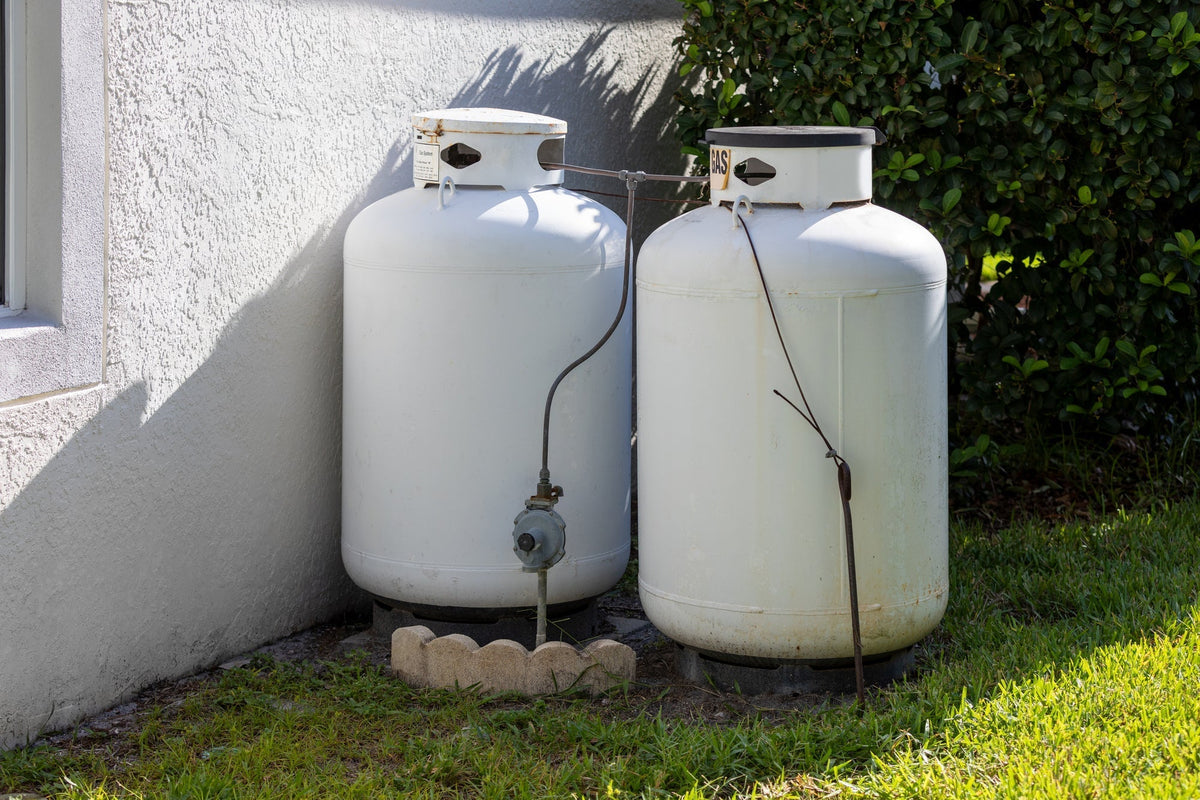
Remove any loose dirt and debris from the propane tank using a soft brush or cloth. Avoid using hard tools that can scratch the surface. A gentle wipe helps keep the tank safe and clean.
Use a mild cleaning solution made of warm water and a small amount of dish soap. Dip a cloth or sponge into the solution and gently clean the tank’s exterior. Harsh chemicals can damage the tank, so mild solutions are best.
After cleaning, dry the tank fully with a clean towel or let it air dry in a shaded area. Keeping the tank dry prevents rust and keeps it in good condition for longer.

Credit: www.reddit.com
Inspecting The Tank For Damage
Check the propane tank closely for any signs of rust. Rust can weaken the tank and cause leaks. Look for brown or orange spotson the surface. Small spots can be cleaned, but large rust patches may need professional help.
Inspect the valves and connectorscarefully. Make sure there are no cracks or damage. The valves must turn smoothly and fit tightly. Loose or broken connectors can cause dangerous gas leaks.
- Look for rust or corrosion on metal parts.
- Check that all valves open and close easily.
- Make sure connectors are not cracked or loose.
- Clean minor rust spots with a wire brush.
- Replace damaged valves or connectors immediately.
Cleaning The Valve And Connectors
Use a soft brushto gently clean the valve and connectors. This helps remove dust and dirt without causing damage. Avoid using hard tools that could scratch or break parts.
Keep the brush dry and free from grease. Light, careful strokes work best to clean small openings and crevices.
Avoid letting water enter the valve or connector openings. Water inside can cause rust or block gas flow. Use a dry cloth to wipe any excess moisture.
- Brush gently to clear dirt.
- Keep water away from openings.
- Use dry cloth to remove moisture.

Credit: www.youtube.com
Reattaching The Propane Tank
Attach the propane tank firmly to the generator’s hose and regulator. Ensure the connection is tight but do not over-tighten. Use a wrench if needed to secure the fittings.
Check the hose and regulator for any signs of wear or damage before attaching. Replace any parts that look cracked or worn out to avoid leaks.
Test for leaks by applying a soap and water solution to the connection points. Look closely for bubbles, which indicate escaping gas.
- Turn on the propane valve slowly.
- Apply soapy water to the hose and regulator joints.
- Watch carefully for bubbling at connections.
- If bubbles appear, tighten the connections and test again.
- Do not use a flame to check for leaks.
Maintaining The Propane Tank
Maintaining a propane tank is key for safety and long life. Clean the tank regularly to remove dirt and dust. Use a soft cloth and mild soap to wipe the surface. Avoid harsh chemicals that can damage the tank.
Check for rust spots and clean them gently with sandpaper. Dry the tank well after cleaning to stop rust from forming. Keep the valve and connection points free of debris to ensure a good seal.
- Store the tank upright in a cool, dry place.
- Keep it away from direct sunlight and heat sources.
- Make sure the area is well-ventilated to prevent gas buildup.
- Cover the tank with a breathable cover to protect from dust.
- Inspect the tank regularly for leaks or damage.
Frequently Asked Questions
How Often Should I Clean My Propane Tank For A Generator?
Clean your propane tank every 6 to 12 months. Regular cleaning prevents rust and debris buildup, ensuring safe and efficient generator operation.
What Materials Do I Need To Clean A Propane Tank?
You need a soft brush, mild soap, water, and a clean cloth. Avoid harsh chemicals that can damage the tank’s surface.
Can I Clean A Propane Tank While It’s Still Connected?
No, always disconnect the propane tank before cleaning. This prevents leaks and ensures your safety during the cleaning process.
How Do I Remove Rust From A Propane Tank Safely?
Use a wire brush or sandpaper gently to remove rust. Afterward, apply a rust-resistant paint to protect the tank surface.
Conclusion
Cleaning your propane tank keeps your generator running safely and well. Regular care stops dirt and rust from building up. Always follow safety steps to avoid accidents. A clean tank helps your generator work longer and better. Remember to check your tank often for damage or leaks.
Taking these small steps makes a big difference. Keep your generator ready for any power need. Simple cleaning protects your equipment and your home. Stay safe and enjoy reliable power whenever you need it.