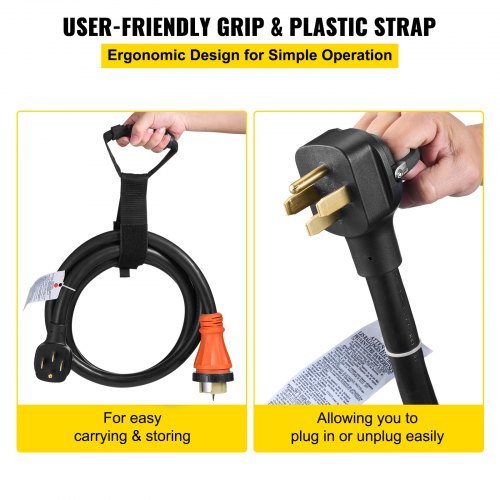
Are you tired of dealing with tangled and messy generator extension cords? Properly coiling your cords is more than just a matter of tidiness; it ensures safety, extends the life of your equipment, and saves you precious time.
Imagine the ease of quickly unrolling a perfectly coiled cord, ready to power up your projects without the hassle. This guide will walk you through simple, effective steps to master the art of coiling your generator extension cord. By the end, you’ll not only have a clutter-free storage solution but also the confidence to handle your tools like a pro.
Ready to transform the way you manage your cords? Let’s dive in!
Choosing The Right Cord
Choosing the right cord is key for safe generator use. The lengthof the cord affects power flow. Longer cords may cause voltage drop, which can harm your generator or devices.
The gaugeof the wire tells how thick it is. Thicker wires (lower gauge numbers) carry more power safely. For most generators, a 12 or 14 gaugecord works well.
Strong materialand good durabilityhelp the cord last longer. Look for cords with weather-resistantand heavy-duty insulation. This protects against cuts, sun, and water damage.
| Feature | Recommendation |
|---|---|
| Cord Length | Choose shortest length needed to reduce power loss |
| Wire Gauge | Use 12 or 14 gauge for most generators |
| Material | Heavy-duty, weather-resistant insulation |
| Durability | Resists cuts, sun, and water damage |
Preparing The Cord
Begin by gently pulling the extension cord to untangle any knots. This helps avoid damage during use or storage. Check the entire length for cuts, cracks, or exposed wires. Damaged cords can cause electric shocks or fires.
Look closely at the plug and socket ends. Ensure the prongs are straightand not bent. Test the cord by plugging it into a power source briefly to confirm it works well. Always use cords that pass these safety checks.
Coiling Techniques
The Over-Under Methodhelps keep the cord neat and prevents twists. Start by making a loop with the cord going over your hand. Then, the next loop goes under your hand. Repeat this pattern until the cord is fully coiled. This method reduces cord wearand keeps it from tangling.
The Figure-Eight Methodforms loops shaped like the number eight. Hold the cord in one hand and wrap it around your thumb and pinky. This creates a figure-eight shape. Keep the loops even and tight. This technique stops the cord from kinking and makes it easier to uncoil.

Credit: www.vevor.ca
Avoiding Common Mistakes
Twists and kinks can damage the extension cordand reduce its life. Always coil the cord in large, loose loopsto keep it safe. Avoid tight winding, which causes internal wire breaks. Use your hand or elbow to guide the cord while coiling.
Store the cord in a dry, cool place. Avoid direct sunlight and damp areas. Heat and moisture can harm the cord’s insulationand cause short circuits. Hanging the cord on a hook keeps it off the floor and prevents tangles.
| Proper Storage Conditions | Why It Matters |
|---|---|
| Dry Place | Prevents moisture damage and rust on connectors |
| Cool Temperature | Protects insulation from heat damage |
| Off the Ground | Avoids dirt, water, and tangling |
Maintaining Cord Longevity
Keeping your extension cord clean is key to its long life. Dirt and dust can cause damageover time. Use a damp clothto wipe the cord gently. Avoid using harsh chemicals that can harm the cord’s material.
Small cuts or frays need quick attention. Electrical tapecan cover minor damage to keep the cord safe. For bigger damage, replacethe cord to avoid risks. Never use a cord with exposed wires.
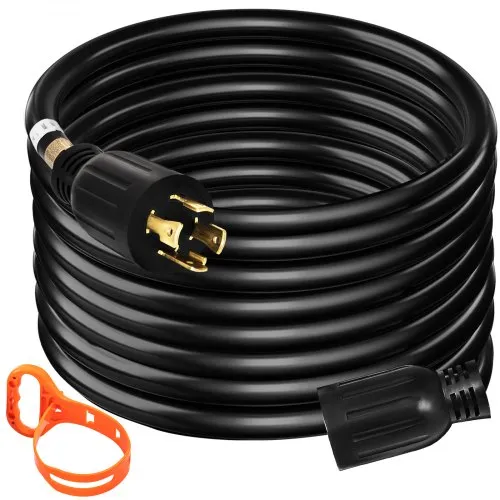
Credit: www.vevor.ca
Safety Tips For Use
Overloadscan damage the generator and cords. Always check the power ratingof your extension cord. Avoid plugging in devices that draw more power than the cord can handle. Use cords with the correct gaugefor your generator’s output. This prevents overheating and fire risks.
Make sure connections are tight and secure. Loose plugs can cause sparks or shorts. Keep plugs and sockets dry to avoid electric shock. Do not connect multiple extension cords in a chain; this can cause voltage drops and hazards.
- Use only cords marked for outdoor use.
- Keep cords untangled and laid flat.
- Inspect cords for damage before use.
- Connect the cord directly to the generator outlet.

Credit: www.youtube.com
Frequently Asked Questions
How Do You Coil A Generator Extension Cord Properly?
Start by holding one end of the cord and create loose loops about 12 inches in diameter. Avoid tight bends to prevent damage. Secure the coil with a Velcro strap or tie. This method keeps the cord organized and extends its lifespan.
Why Is Proper Coiling Important For Extension Cords?
Proper coiling prevents internal wire damage and tangling. It maintains the cord’s flexibility and safety. Correct storage reduces wear and tear, ensuring reliable performance during generator use. It also makes transportation and storage easier.
Can Improper Coiling Damage My Generator Extension Cord?
Yes, improper coiling can cause wire breakage and insulation damage. Tight loops or sharp bends stress the internal wires. This leads to short circuits or power loss. Proper coiling preserves cord integrity and safety.
What Tools Help In Coiling Extension Cords Neatly?
Velcro straps, cord wraps, or cable reels are great tools. They keep the coil secure and prevent unraveling. Using these tools improves cord management and protects the cable from damage during storage.
Conclusion
Coiling your generator extension cord properly keeps it safe and lasts longer. Avoid twists and tight loops to stop damage. Store the cord in a dry, cool place after use. Regular care helps prevent accidents and keeps power steady. Simple steps make a big difference in cord life.
Keep your equipment ready and working well every time. Proper coiling saves money and effort in the long run. Stay safe and enjoy reliable power wherever you need it.