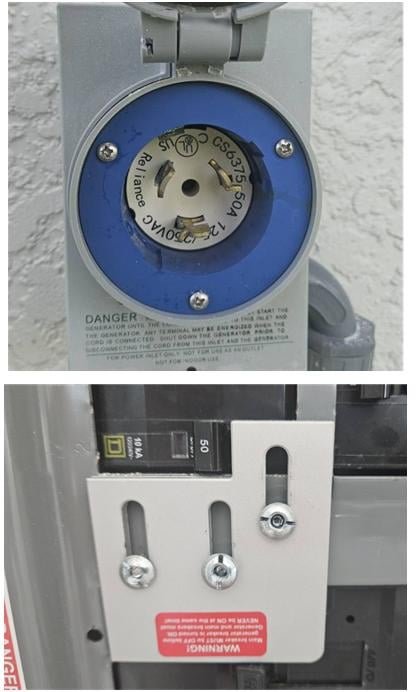
Are you considering using a 120V inverter generator to keep your home powered during outages? You’re not alone.
Many homeowners are turning to these compact, efficient devices for reliable backup power. But the thought of connecting one to your house might seem daunting. Fear not! This guide will walk you through the process step-by-step, ensuring your home stays lit and your essential appliances keep running smoothly.
Imagine the peace of mind knowing that you and your family are prepared for any power interruption. By the end of this article, you’ll feel confident and equipped to connect your generator safely and efficiently. Keep reading, and let’s take the mystery out of this essential home project together.
Choosing The Right Inverter Generator
Choosing the right inverter generator is crucial for connecting it to your house. A well-suited generator ensures safety and efficiency. It meets your home’s power needs without overloading circuits. Here’s how to select the perfect inverter generator for your home.
Understanding Power Needs
First, assess your home’s power needs. Calculate the wattage of essential appliances. Add up the total wattage to determine your power requirements. Choose a generator with a wattage that exceeds this total. This ensures a buffer for unexpected power demands.
Consideration Of Fuel Type
Fuel type impacts the generator’s efficiency and cost. Common options include gasoline, propane, and diesel. Gasoline is readily available but has a shorter shelf life. Propane is cleaner and lasts longer in storage. Diesel is efficient but might be pricier. Select a fuel type that suits your lifestyle and budget.
Key Features To Look For
Look for features that enhance usability and safety. Ensure the generator has overload protection. This prevents damage to appliances during power surges. Opt for models with quiet operation to minimize noise disturbance. Check for user-friendly controls and display panels. These simplify monitoring and adjustments.
Safety Precautions
Connecting a 120V inverter generator to your house can be a lifesaver during power outages. However, prioritizing safety is crucial to ensure a seamless and secure experience. Ignoring safety precautions can lead to hazardous situations. So, what should you keep in mind? Let’s dive into the essential safety measures that can make all the difference.
Proper Ventilation
Ensure your generator is situated outdoors in a well-ventilated area. Generators emit carbon monoxide, a dangerous gas that can accumulate quickly in enclosed spaces. I once heard of someone placing their generator in the garage to shield it from rain, only to experience dizziness from the gas. Let this be a cautionary tale. Use a canopy or cover designed for generators instead.
Grounding The Generator
A grounded generator minimizes the risk of electrical shock. Check if your generator has a grounding lug, and connect it to a grounding rod driven into the earth. This simple step can prevent electrical mishaps. Do you know that feeling when static electricity zaps your hand? Imagine that on a much larger scale. Grounding provides peace of mind and safety.
Handling Fuel Safely
Fueling your generator requires care and attention. Always handle fuel outdoors to avoid spills and fumes. Store fuel in approved containers away from living areas. Picture this: a friend once stored gasoline in a pantry, leading to a minor spill and a lingering odor. Learn from their mistake. Keep your fuel storage safe and separate.
Remember, taking these precautions not only ensures your safety but also prolongs the life of your generator. What measures will you adopt today to ensure a safe connection?
Setting Up The Generator
Connecting a 120V inverter generator to your house requires careful planning. Start by ensuring the generator is off and disconnect any house power sources. Use a transfer switch for safe connection, protecting your home from potential electrical hazards.
Setting up a 120V inverter generator for your house can be straightforward. Proper setup ensures your generator runs smoothly and safely. Follow these steps to get your generator ready for use.Unpacking And Inspection
Start by carefully unpacking the generator. Check the box for any signs of damage. Remove all packaging materials to access the generator. Inspect the generator for any visible defects or missing parts. Look at the control panel and outlets for proper condition. Reviewing the user manual helps identify crucial components.Adding Oil And Fuel
Ensure the generator is on a flat surface. Open the oil fill cap and add the recommended oil type. Check the oil level using the dipstick. Close the oil fill cap securely. Next, locate the fuel tank. Fill it with fresh gasoline. Avoid overfilling to prevent spills. Secure the fuel cap tightly after filling.Positioning The Generator
Choose a dry, open space for the generator. Ensure it’s at least 10 feet away from the house. Keep the area clear of flammable materials. Position the generator on a stable surface. Avoid areas prone to flooding or heavy winds. Make sure exhaust fumes can escape freely. Check that cords can reach the house outlets easily.
Credit: www.facebook.com
Connecting The Generator
Connecting a 120V inverter generator to your house can ensure essential appliances remain powered during outages. Begin by using a transfer switch to safely link the generator to the home’s electrical panel. Always follow the manufacturer’s guidelines for proper setup and safe operation.
Connecting the generator to your home is a crucial step. This process ensures your appliances receive power during outages. A 120V inverter generator can provide reliable electricity. Proper connection is essential for safety and efficiency.Plugging In Appliances
Start by identifying essential appliances. These include the refrigerator, lights, and chargers. Connect each appliance directly to the generator. Use the generator’s outlets for this purpose. Ensure each plug fits securely in the outlet. This prevents any disconnection during use. Do not overload a single outlet with multiple appliances. Spread them across available outlets. This maintains a stable power flow.Using Extension Cords
Extension cords extend the reach of your generator. Select cords designed for outdoor use. They should match the wattage capacity of your generator. Avoid using damaged cords. Inspect cords for cuts or exposed wires. Plug the extension cord into the generator. Then connect your appliances to the cord. Keep cords away from wet areas. This minimizes electrical shock risk.Avoiding Overloads
Balance the load on your generator. Calculate the total wattage of connected appliances. Do not exceed the generator’s wattage capacity. Overloading leads to overheating and possible damage. Monitor the generator’s performance regularly. Listen for unusual sounds or interruptions. If the generator struggles, disconnect some appliances. Redistribute the load evenly. This ensures optimal functioning and longevity.Starting And Running The Generator
Connecting a 120V inverter generator to your house involves careful planning for safe power transfer. Ensure all devices are switched off before connecting. Use a transfer switch for safety, and plug in the generator to the transfer switch. Follow all safety guidelines to avoid electrical hazards.
Starting and running a 120V inverter generator is a crucial step. It ensures your home gets a steady power supply. Before beginning, ensure the generator is in a well-ventilated area. This prevents harmful gas buildup. Now, let’s dive into the steps.Priming And Choking
Priming ensures fuel reaches the engine. Check the fuel valve. Make sure it’s open. Locate the choke lever. Set it to the “Choke” position. This helps the engine start in cold conditions. Ensure the generator is on a flat surface. Stability is key.Using The Start Mechanism
Find the start mechanism on your generator. Some use a recoil starter. Others have an electric start button. For recoil starters, pull the cord firmly. Do this until the engine starts. For electric start, press the button. Wait for the engine to run smoothly. Release the choke lever gradually. This helps the engine warm up.Monitoring Performance
Once started, monitor the generator’s performance. Check for unusual noises. Listen for sputtering sounds. They indicate potential issues. Observe the output display. Ensure it shows steady voltage. Check the fuel level regularly. Refill as needed to avoid interruptions.
Credit: www.facebook.com
Shutting Down And Storage
Properly shutting down and storing an inverter generator is vital for safety and longevity. First, disconnect all appliances and let the generator cool. Then, store it in a dry, secure place to prevent damage.
Shutting down and storing your 120V inverter generator properly is vital. This ensures its longevity and readiness for future use. Follow these simple steps to keep your generator in top condition.Turning Off Safely
First, disconnect all appliances from the generator. This prevents electrical hazards. Let the generator run idle for a few minutes. This helps cool the engine down. Turn the engine switch to the “Off” position. Wait for the generator to stop completely.Draining Fuel
Draining the fuel is crucial for storage. Use a siphon pump to remove fuel from the tank. Collect the fuel in a safe container. Start the generator again and let it run until it stops. This ensures all fuel in the carburetor is used up.Storing The Generator
Clean the generator with a dry cloth. Remove any dirt or debris. Store it in a dry, well-ventilated place. Avoid damp areas to prevent rust. Cover the generator with a protective cover. This shields it from dust and moisture. Regularly check the generator during storage.Troubleshooting Common Issues
Connecting a 120V inverter generator to your house can be tricky. Ensure safety by using transfer switches and proper grounding. Follow manufacturer guidelines to prevent overloads and maintain seamless power flow.
Connecting a 120V inverter generator to your house can be a lifesaver during power outages. Even with the best setup, things can go wrong. Troubleshooting common issues helps you identify problems quickly and keep your power running smoothly. Explore typical problems below.Engine Won’t Start
Check the fuel level first. Ensure you have enough fuel in the tank. Inspect the spark plug for dirt or damage. A clean spark plug ensures proper ignition. Verify the choke position. The choke must be set correctly for the engine to start. Examine the battery connections. Loose connections can prevent the engine from starting.Power Output Problems
Examine the circuit breaker. Reset it if tripped. Confirm all connections are secure. Loose connections can cause power loss. Check the load on the generator. Overloading can lead to reduced output. Inspect the fuel line for blockages. Blockages might hinder fuel flow, affecting power.Noise And Vibration Concerns
Check for loose parts. Tighten any loose bolts or screws. Look at the generator placement. Uneven surfaces can cause vibration. Inspect the exhaust system. A damaged exhaust can increase noise levels. Ensure regular maintenance. Proper care reduces noise and vibration issues.
Credit: westinghouse.com
Frequently Asked Questions
Can You Hook Up An Inverter Generator To Your House?
Yes, you can connect an inverter generator to your house safely. Use a transfer switch for proper installation. Ensure compatibility with your home’s electrical system. Follow local regulations and safety guidelines. Consult a licensed electrician for assistance to prevent potential hazards and ensure efficient power supply during outages.
Can I Connect A Generator Directly To My House Wiring?
Connecting a generator directly to house wiring is unsafe. Use a transfer switch to prevent electrical hazards and protect appliances. Always consult a professional for installation to ensure compliance with local regulations. Proper setup avoids backfeeding, protecting utility workers during outages.
Safety should be the top priority when using generators.
What Is The Downside Of An Inverter Generator?
Inverter generators are more expensive than conventional ones. They typically have lower power output and require more maintenance.
Where Do I Plug In My Generator To Power My House?
Plug your generator into a transfer switch connected to your home’s electrical panel. This ensures safe power distribution. Always follow the manufacturer’s instructions and consult a professional electrician for installation. Avoid plugging the generator directly into a wall outlet to prevent backfeeding, which can endanger utility workers and damage appliances.
Conclusion
Connecting a 120V inverter generator to your house enhances power reliability. Follow safety guidelines to protect your home and devices. Use proper cables and connectors for a secure setup. Always check wattage requirements before connecting appliances. Regular maintenance ensures your generator works efficiently.
Understand the manual to troubleshoot common issues. Professional help may be necessary for complex installations. Enjoy uninterrupted power during outages with a well-connected generator. This setup can make life easier and more comfortable. Stay prepared for emergencies with your reliable power source.