
Are you worried about power outages interrupting your daily life? A home backup generator can be your lifesaver, ensuring your lights stay on and your appliances keep running when the grid goes down.
But how do you connect this vital equipment to your main panel safely and efficiently? This step-by-step guide is here to help. We’ll break down the process into simple terms, so you can tackle the task with confidence. Imagine the peace of mind you’ll feel knowing that you’re ready for any unexpected power failure.
Stick with us, and by the end of this article, you’ll have all the knowledge you need to keep your home powered, no matter what.

Credit: www.renogy.com
Choosing The Right Generator
Selecting the correct generator involves understanding how to connect it to your main panel. Proper installation ensures seamless power supply during outages, safeguarding your home’s essential systems efficiently.
Portable generators are easy to move. They are good for short power outages. Standby generators are fixed in one spot. They turn on automatically during a blackout. They can power your whole house. Inverter generators are quiet and efficient. They work well for small needs. Check your home’s power needs. Add up the watts of important devices. Choose a generator that can handle that load. A bigger generator can power more things. But it costs more money. Balance your needs and your budget. Generators use different fuels. Gasoline is common and easy to get. But it doesn’t store well. Diesel is more efficient and lasts longer. Propane is clean and stores well. Natural gas connects to home lines. It never runs out. `Safety Precautions
Generators need airto work safely. Ensure good air flow around them. Never use them indoors or in closed spaces. This prevents dangerous fumes from building up. Fresh air keeps things safe for everyone.
Carbon monoxide is a silent killer. It has no smell or color. Keep generators away from windows and doors. Always use them outside to keep air clean. Protect your family from this invisible danger.
Electricity can be dangerous. Handle cords with care. Make sure they are not damaged. Use grounded outlets for safety. Don’t overload circuits. This prevents fires and keeps your home safe.
Installation Requirements
Ensure the generator is compatible with the main panel. Install a transfer switch for safe operation. Follow local electrical codes to prevent hazards.
Location Selection
Selecting the right locationfor your generator is crucial. Keep it away from windows and doors. This prevents harmful fumes from entering your home. Make sure the spot is dry and level. It should be well-ventilated. This helps the generator run smoothly. Avoid placing it near flammable materials. Safety is always the top priority.
Permits And Regulations
Before installation, check local permitsand regulations. Some areas have strict rules. You might need a special permit. Contact your local building department. They can provide guidance. Following rules keeps you and your neighbors safe. Ignoring them can lead to fines. Always stay informed about legal requirements.
Professional Installation Vs Diy
Installing a generator can be tricky. You have two options: professional installationor do it yourself. Hiring a professional ensures safety. They have the right tools and experience. DIY might save money. But it can be risky. Mistakes can cause damage or injury. Choose wisely based on your skills and comfort level.
Credit: www.ecoflow.com
Connecting To Home Electrical System
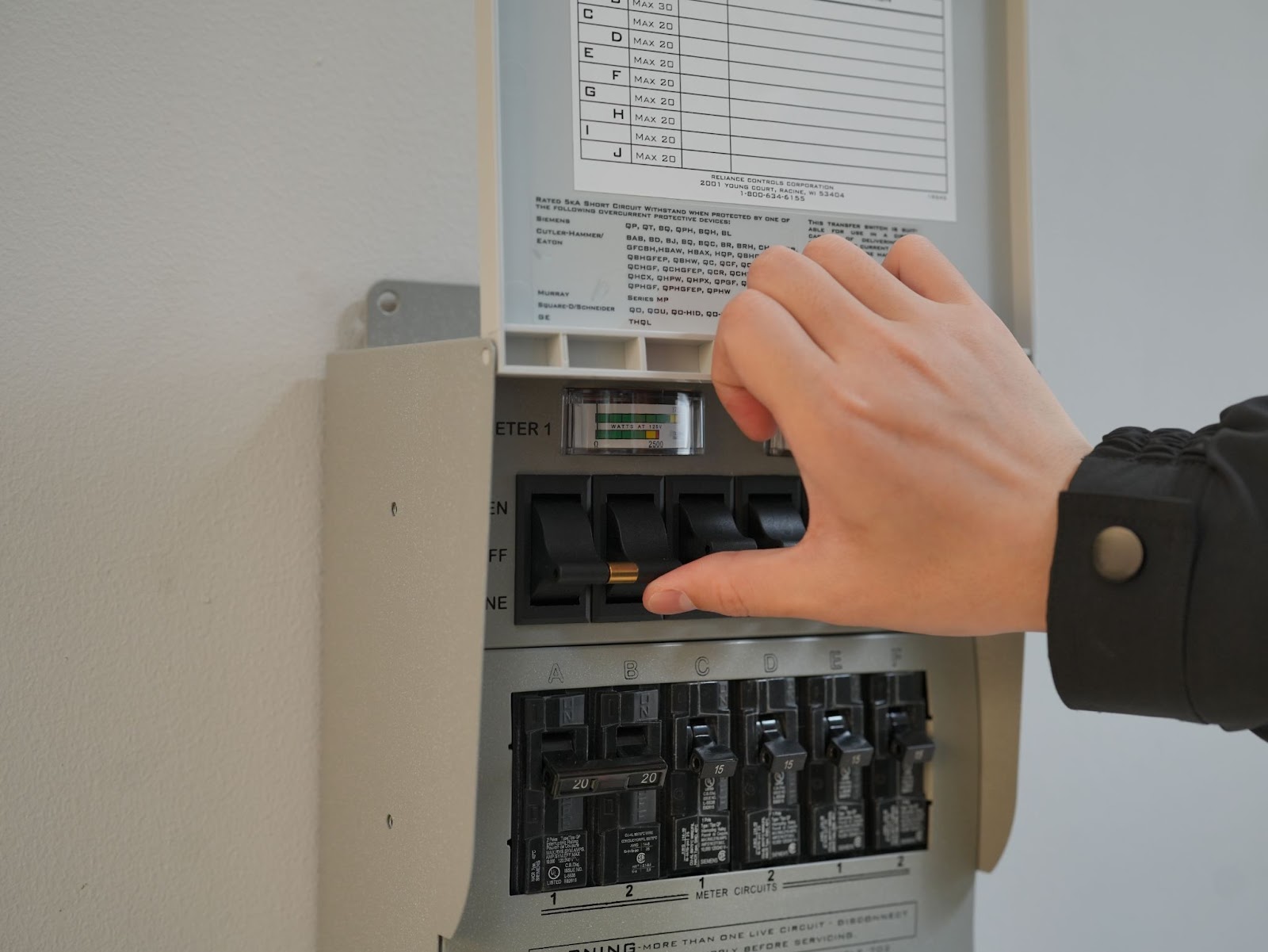
Connecting a home backup generator to the main panel ensures power during outages. Use a transfer switch for safe installation. This device prevents backfeeding, protecting utility workers and equipment.
Transfer Switch Installation
A transfer switchis needed for safe generator use. It directs power from the generator to your home. Place it near the main panel. Ensure the switch can handle the generator’s power. Turn off the main power before starting. Connect the switch to the generator outlet.
Wiring And Connections
Proper wiring is essential for safety. Use the correct wire type and size. Connect wires from the generator to the transfer switch. Match colors and labels carefully. Secure all connections to avoid loose wires. Double-check each connection for safety.
Testing The Setup
Testing ensures everything works well. Turn on the generator. Flip the transfer switch to generator mode. Check if all appliances receive power. Test lights, fridge, and other essentials. Listen for strange sounds. Everything should run smoothly.
Operating The Generator
Connecting a home backup generator to the main panel involves careful setup. First, switch off the main power supply. Then, use a transfer switch to ensure safe power transition.
Startup Procedures
Begin by checking the fuel leveland oil in the generator. Ensure all switches are in the off position. Turn the circuit breakerto off. Pull the choke out, if necessary. Start the generator using the pull cord or start button. Push the choke back in once the engine starts. Let the generator run for a few minutes to stabilize.
Load Management
Turn on essential appliancesone at a time. Avoid overloading the generator. Check the power usage regularly. Make sure high-energy devices like air conditioners are last. This helps manage the load effectively. Distribute the load evenly for optimal performance. Monitor the generator for any unusual noises.
Shutdown Process
Turn off all connected devices first. Let the generator run without load for a few minutes. This cools down the engine. Switch the circuit breaker to off. Turn the fuel valve to the off position. Finally, turn the generator’s main switch off. Store the generator in a safe, dry place.
Maintenance Tips
Connecting a home backup generator to the main panel ensures uninterrupted power. Always use a transfer switch for safety. Follow the manufacturer’s instructions carefully to avoid electrical hazards.
Routine Inspections
Check the generator’s condition often. Look for any loose wires or dirt. Clean the machine to keep it running well. Ensure all parts are tight and secure. This prevents unexpected problems.
Fuel And Oil Checks
Always check the fuel level. Fuel should be fresh and clean. Inspect oil levels regularly. Replace oil if it’s dirty or old. This keeps the engine healthy and strong. Proper fuel and oil ensure smooth operation.
Long-term Storage
Store the generator in a dry place. Cover it to protect from dust. Drain fuel before long storage. This prevents clogs and damage. Check it monthly to ensure it’s ready to use. A well-stored generator lasts longer.
Troubleshooting Common Issues
Connecting a home backup generator to the main panel involves ensuring proper wiring and safety measures. Check connections, inspect circuit breaker compatibility, and verify transfer switch installation.
Generator Won’t Start
Check the fuel level. Ensure there’s enough fuel for the generator. Inspect the battery. Batteries should be charged and connected properly. Look at the spark plugs. They should be clean and connected. Also, make sure the air filter is clean and clear.
Power Output Fluctuations
Examine the load. Too many devices can cause fluctuations. Look at the generator’s voltage settings. They should match your home’s requirements. Inspect connections. Loose wires can cause uneven power. Check the generator’s circuit breakers. They might need resetting.
Noise And Vibration Problems
Check the generator’s placement. It should be on a flat, stable surface. Look at the mounting bolts. They should be tight and secure. Inspect the muffler and exhaust system. They should be free from blockage. Examine the generator’s housing. Ensure it’s not damaged or loose.

Credit: www.reddit.com
Frequently Asked Questions
Can I Connect A Generator To A Main Panel?
Yes, you can connect a generator to a main panel. Use a transfer switch for safety and compliance. Hire a qualified electrician to ensure proper installation and avoid risks. This setup provides backup power during outages, enhancing home or business reliability.
Always prioritize safety and adhere to local electrical codes.
How Do I Connect My Generator To My Main Line?
Hire a qualified electrician to connect your generator to your main line. Use a transfer switch for safety. Ensure the generator is compatible with your home’s electrical system. Follow local codes and regulations. Always prioritize safety and consult a professional to avoid risks.
Can I Connect A Generator Directly To My House Wiring?
Connecting a generator directly to house wiring is unsafe. Use a transfer switch to avoid backfeeding and potential hazards. Always consult a licensed electrician for proper installation. Ensure your generator setup complies with local electrical codes and safety guidelines. Prioritize safety to protect your home and electrical system.
How Do You Hook Up A Backup Generator To Your House?
To hook up a backup generator, install a transfer switch. Connect the generator to the switch. Ensure proper grounding and follow local codes. Consult a professional electrician for safety and compliance.
Conclusion
Connecting a home backup generator to the main panel offers peace of mind. It ensures your home stays powered during outages. Follow safety guidelines for a smooth setup. Secure connections prevent electrical hazards. Regular maintenance keeps your generator running efficiently.
Check all connections and test the system often. Hire a professional if unsure about installation. This helps prevent mistakes and ensures safety. Enjoy reliable power during emergencies. Stay prepared and keep your household running smoothly. Remember, a backup generator is a smart investment for home safety.