Imagine arriving at your favorite camping spot, ready to enjoy the serenity of nature, but your RV’s power is limiting your adventure. You want to keep your gadgets charged, cook a meal, or perhaps watch a movie under the stars, without worrying about draining your RV’s battery.
This is where a portable power station becomes your best friend. Connecting a portable power station to your RV is not only practical, but it also brings a new level of convenience and freedom to your travels. Picture yourself effortlessly plugging in and powering up, with all the comforts of home at your fingertips.
You can enjoy longer stays, more flexibility, and peace of mind knowing that you’re prepared for any power need that comes your way. Imagine how liberating it feels to have the energy to keep your RV running smoothly, wherever the road takes you. This guide will walk you through the steps to seamlessly connect a portable power station to your RV, ensuring you’re never left in the dark. Whether you’re a seasoned traveler or new to the RV lifestyle, mastering this skill will transform your adventures. Ready to discover how? Let’s dive in!
Credit: uk.jackery.com
Choosing The Right Power Station
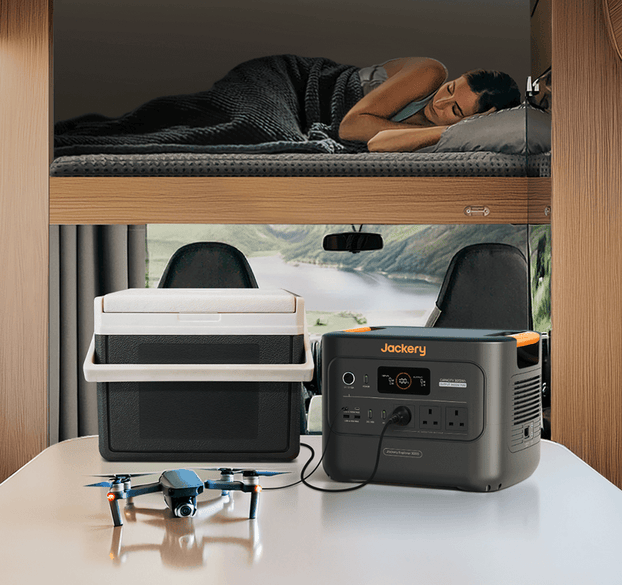
RVs need power for lights, fridges, and gadgets. Calculate the total power needed. Check the watt-hours or amp-hours on devices. Add them up for a total. Choose a power station that meets or exceeds this number. This ensures your RV stays powered. A larger capacity means more power time.
There are different types of power stations. Some are lithium-ion based. They are lightweight and last long. Others are lead-acid based. These are heavier but less costly. Some power stations come with solar charging options. This is good for sunny trips. Always pick one that suits your travel needs.
Credit: www.rvsupercentre.co.nz
Preparing Your Rv
Check how much power your RV needs. Look at the appliances inside. Count lights, fridge, and TV. Add up their power needs. This helps you choose the right power station. Always have a bit extra power. This ensures you don’t run out.
Find where the power goes into your RV. Look for the power input port. It is usually outside, near the side. Check the RV manual if unsure. Make sure the port is in good condition. No rust or damage should be visible. Keep it clean for safe connections.
Connecting The Power Station
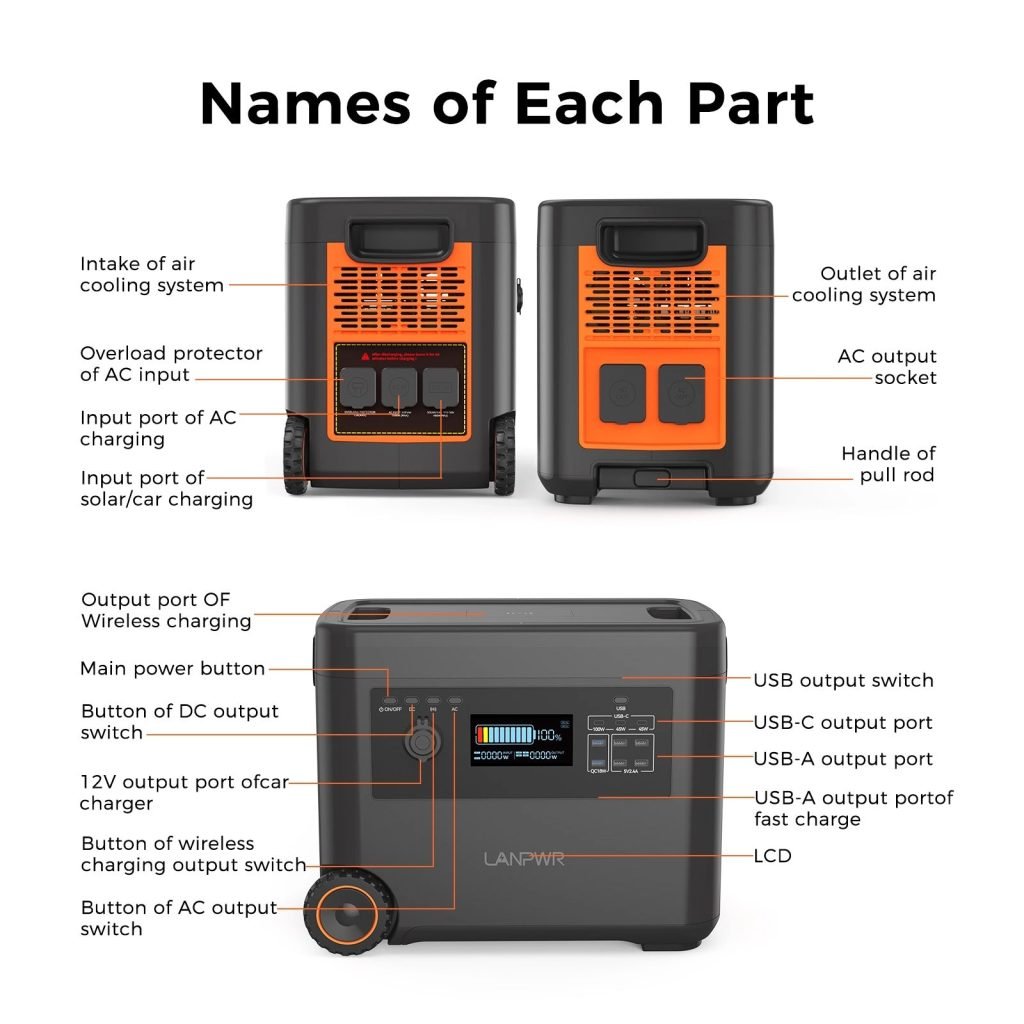
Ensure you have all the right cables. Check the power station’s manual. You’ll need a DC cable and an AC adapter. Some RVs need solar charging cables. Gather these to ensure a smooth connection. Place them nearby for easy access.
First, locate the power input port on your RV. It’s usually near the battery. Next, plug the DC cable into the power station. Then, connect the other end to the RV’s port. Ensure it’s a snug fit. Now, turn on the power station. Check the RV’s battery level. It should show charging. Always monitor the charging process. If it stops, check the connections. Safety first, so handle cables with care.
Safety Tips
Ensure all devices are off before connecting the power station to your RV. Use the correct cables for secure connections. Regularly check for loose wires or damage to prevent accidents.
Avoiding Overloading
Always check the power station’s capacity. Ensure it’s not overloaded. Plug in fewer devices to maintain safety. Overloading can harm your power station and RV. Use devices with lower power consumption. Monitor usage regularly. Check device labels for power requirements.
Ensuring Proper Ventilation
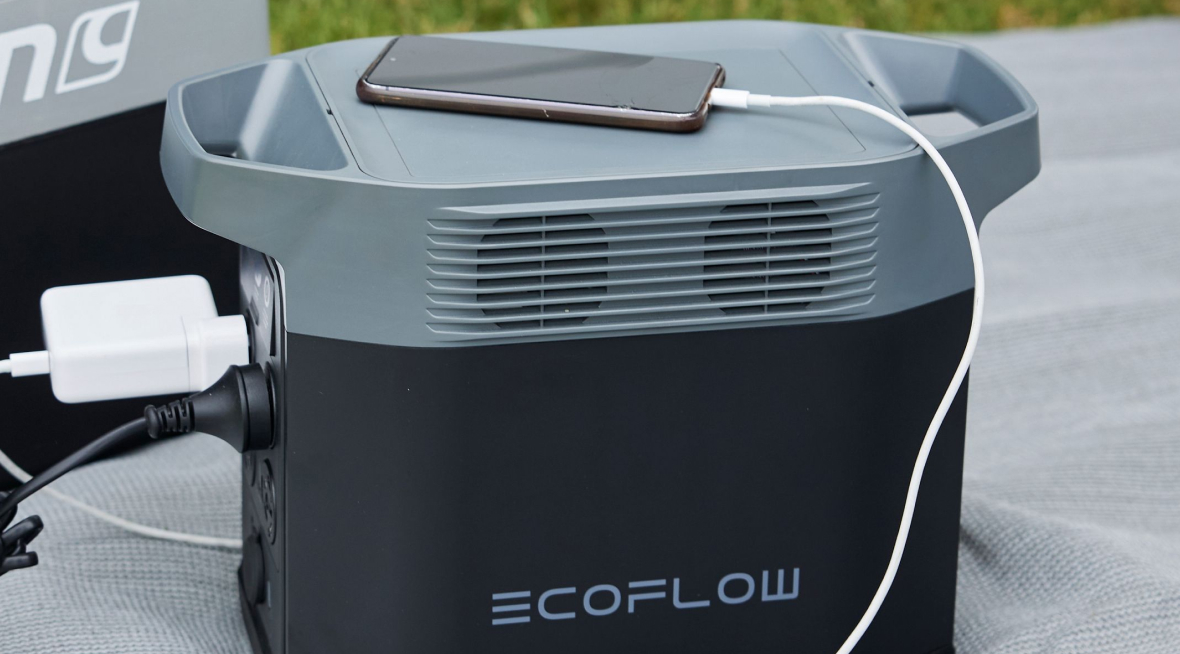
Place the power station in a well-ventilated area. Avoid enclosed spaces. Heat can build up quickly. Proper ventilation prevents overheating. Ensure there’s space around the station. Keep windows open if indoors. Cool air helps maintain safe temperatures.
Maintaining Power Station Efficiency
Connecting a portable power station to an RV can boost energy efficiency. Use an appropriate adapter for seamless integration. Ensure the power station matches the RV’s voltage requirements for safe operation.
Regular Battery Checks
Checking the battery regularly keeps the power flowing smoothly. Look for any signs of wear or damage. A clean battery lasts longer and works better. Use a soft cloth to wipe dust and dirt. Make sure the connections are tight and secure. Loose connections can drain power quickly.
Optimal Charging Practices
Charging the power station correctly extends its life. Use the charger provided by the manufacturer. Never use a charger from another device. Charge the battery to full, but avoid overcharging. Overcharging can harm the battery cells. Unplug the charger once the battery is full. Store the power station in a cool, dry place. Heat can reduce battery efficiency.
Troubleshooting Common Issues
Connecting a portable power station to an RV can be tricky. Check the compatibility of the power station and RV input sockets. Make sure to use the correct adapter and cables for a secure connection.
Addressing Connection Failures
Connection failures can be frustrating. Ensure all cables are firmly plugged. Check if the power station is fully charged. Look for any broken wires or loose parts. Use a multimeter to test the cable’s connectivity. Sometimes, adapters may not be compatible. Try a different adapter if needed. Inspect the RV’s power inlet for damage. Clean any dirt or debris around the connections.
Resolving Power Fluctuations
Power fluctuations can affect RV appliances. Verify the power station’s output settings. Match the settings with the RV’s requirements. Ensure the power station is not overloaded. Disconnect some devices if necessary. Monitor the power station’s display for any warnings. Check the RV’s electrical panel for issues. Reset the panel if fluctuations persist. Regularly inspect the power station’s battery health.

Credit: www.youtube.com
Frequently Asked Questions
Can I Plug My Rv Into A Portable Power Station?
Yes, you can plug your RV into a portable power station. Ensure the power station meets your RV’s wattage needs. Check compatibility with your RV’s electrical system to avoid overloading. Always use a compatible adapter for safe connections and follow manufacturer guidelines for optimal usage.
Can You Connect A Portable Generator To An Rv?
Yes, you can connect a portable generator to an RV. Use an appropriate adapter and power cord. Ensure the generator’s wattage matches your RV’s requirements. Follow safety guidelines for grounding and ventilation.
How Can I Power My Rv Without Hookups?
Power your RV using solar panels, portable generators, or battery systems. Solar panels harness sunlight, offering sustainable energy. Portable generators provide electricity but require fuel. Battery systems store energy for later use, ensuring a steady power supply. These methods ensure off-grid power without hookups, enhancing your RV adventure.
How To Hook Up Power To An Rv?
To hook up power to an RV, first turn off the RV’s main breaker. Plug the RV’s power cord into a compatible power pedestal. Ensure it matches the RV’s amperage (30 or 50-amp). Secure the connection tightly and turn the RV’s breaker back on.
Conclusion
Connecting a portable power station to an RV is easy. Follow the steps mentioned earlier. Ensure all devices are compatible. Double-check connections for safety. Portable power stations offer convenience and flexibility. They are perfect for road trips and camping. Keep your devices charged and ready.
Enjoy the freedom of off-grid adventures. Always carry an extra power cable. It can be a lifesaver. Invest in a reliable power station. It enhances your RV experience significantly. Safe travels and happy camping!