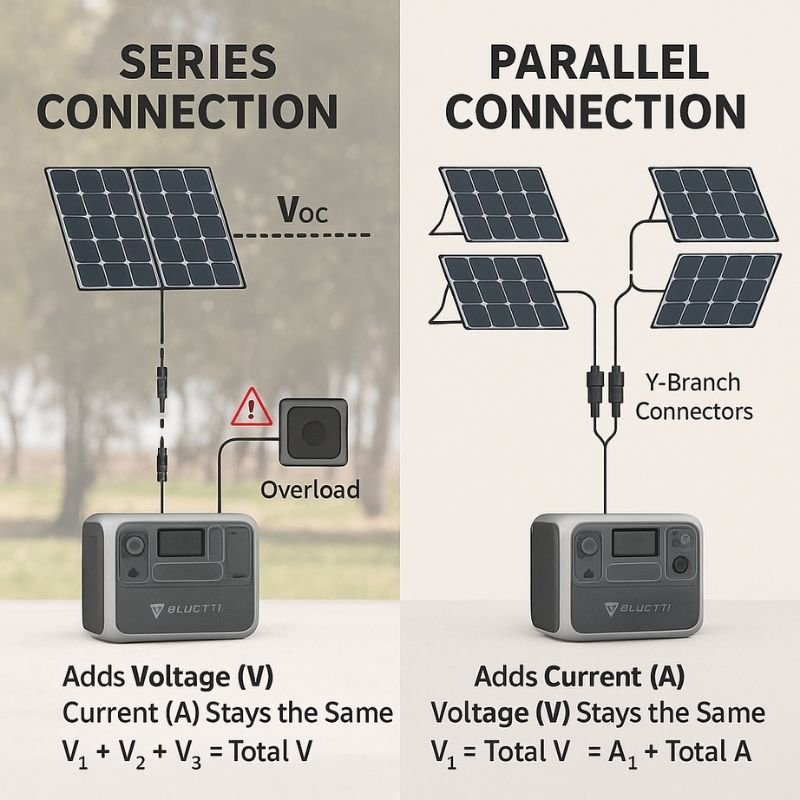
Imagine harnessing the sun’s energy to power your devices and appliances, all while reducing your carbon footprint. Sounds amazing, right?
If you’ve ever wondered how to connect a portable power station to solar panels, you’re in the right place. Whether you’re an outdoor enthusiast looking to keep your gadgets charged during adventures or someone who wants a reliable backup power source, understanding this connection can revolutionize the way you access energy.
You’ll discover simple, step-by-step guidance, ensuring you can tap into solar power with ease and confidence. Get ready to unlock the secrets of sustainable energy solutions and take control of your power needs. Keep reading, and let’s dive into this empowering journey together!
Choosing The Right Portable Power Station
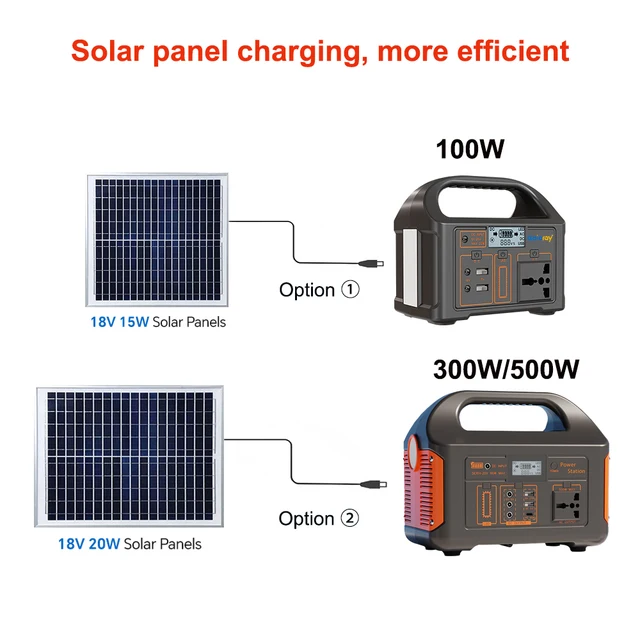
Connecting a portable power station to solar panels involves using compatible cables. Ensure the power station supports solar charging. Check the solar panel’s voltage and current ratings. This ensures efficient energy transfer.
Capacity And Output
Check the capacityof the power station. It tells how much power it can store. A higher capacity can run devices longer. Look at the outputtoo. This shows how much power it can give at once. Make sure it matches your needs. A good power station should handle all your devices.
Compatibility With Solar Panels
Ensure the power station is compatible with solar panels. Check the connector types. They must fit together. Some power stations come with an adapter. This helps connect easily. Look for power stations with a built-in charge controller. It helps manage power from the solar panels. Proper compatibility ensures efficient charging.
Credit: www.aliexpress.com
Selecting Solar Panels
Ensure compatibility between the solar panels and the portable power station. Use the correct cables for a secure connection. Position the solar panels to capture optimal sunlight for efficient charging.
Types Of Solar Panels
There are three main types of solar panels. These are monocrystalline, polycrystalline, and thin-film. Monocrystalline panels are very efficient and last long. They are also more expensive. Polycrystalline panels are cheaper but less efficient. Thin-film panels are lightweight and flexible. They are easy to install but not as efficient.
Efficiency And Size Considerations
Efficiency tells how well a panel turns sunlight into power. Higher efficiency means more power in less space. Monocrystalline panels have the highest efficiency. Size matters if space is small. Choose panels that fit your roof or yard. Always check the wattage. More watts mean more power. Select panels with enough watts for your needs.
Gathering Necessary Equipment
Portable power stations need special cables and connectors. These cables link the station to solar panels. Make sure the cables are strong and long enough. Some cables have special plugs. These plugs fit only certain devices. Check if the connectors are the right type. Compatibilityis important. Wrong cables can damage the power station.
Charging controllers help manage power flow. They stop the power station from getting too much power. This protects the batteryfrom damage. Choose a controller that matches your power station. Check the voltage and current ratings. Use a controller with a display. The display shows important information. This helps keep your power station safe.
Setting Up The Solar Panels
Learn to connect a portable power station to solar panels easily. Begin by gathering necessary cables and connectors. Ensure the solar panels are positioned to receive optimal sunlight for efficiency.
Positioning For Maximum Sunlight
Place the solar panels in a sunny spot. Make sure there are no trees or buildings blocking the sun. Tilt the panels towards the sun. This helps them catch more light. Sunlight is strongest at midday. Try to face the panels south if you are in the northern hemisphere. Make adjustments as the sun moves during the day.Securing Panels Safely
Use strong brackets to secure the panels. Wind can push the panels over if they are not secure. Check the brackets are tight. If the panels are on a roof, use safety gear. Keep the panels away from edges. This prevents them from falling. Regularly check the panels and brackets for any damage. `Connecting Solar Panels To Power Station
Connectorsand cables are essential for linking solar panels and power stations. Choose connectors that match your power station’s input port. Connectors ensure a stable connection and safe power flow. Use cables that are compatible with your solar panels. Check cable length to ensure it reaches the power station comfortably. A longer cable may be needed for distant solar panels. Proper cable management prevents tangles and damage. Secure connections enhance efficiency and safety.
Polarity must be correct for safe energy transfer. Identify positive and negative terminals on the solar panel. Match these with the power station’s terminals. Incorrect polarity can cause damage or prevent charging. Use a multimeter to check polarity if unsure. Double-check connections before turning on the system. Proper polarity ensures efficient power flow.

Credit: www.youtube.com
Testing The System
Testing the System Learn how to connect a portable power station to solar panels effectively. Ensure compatibility between the power station and solar panels. Use proper cables and connectors for a stable connection.
Checking Charge Indicators
First, look at the charge lights on the power station. Are they blinking or steady? Blinking might mean charging. Steady could mean it’s full. Check the solar panel lights too. Do they show power flowing? If yes, that’s good. Make sure all connections are tight. Loose wires can stop charging.
Monitoring Output Efficiency
Power stations show how much power they give. Check the screen for watts used. More watts mean more power is leaving the station. Less watts might mean a problem. Watch how long the power lasts. If it drops fast, test again. Make sure the solar panels are clean. Dirt can block sunlight.
Maintaining Your Setup
Connecting a portable power station to solar panels involves aligning voltage and power capacity. Ensure compatibility between the solar panel and power station. Use appropriate cables and connectors for efficient energy transfer.
Regular Cleaning Of Panels
Solar panels collect dirt and dust over time. This can reduce their efficiency. Use a soft cloth and mild soap for cleaning. Always clean them when the sun is low. This prevents water spots from forming. Clean panels can produce more electricity. So, regular cleaning is very important.
Inspecting Connections
Check all connections often. Loose connections can cause problems. Make sure cables are tight. Look for any signs of wear or damage. A damaged cable might stop the power flow. If you find damage, fix it right away. Keeping connections in good shape ensures a strong power supply.

Credit: www.amazon.ca
Troubleshooting Common Issues
Connecting a portable power station to solar panels can present challenges. Ensure compatibility between the power station and the solar panels. Check connections and cables for secure attachment and avoid overloading the system.
Resolving Connectivity Problems
Check the cablesconnecting your power station and solar panels. Make sure they are plugged in tightly. Sometimes, dust or dirt can block connections. Clean the connectorsif needed. Ensure your solar panels are facing the sundirectly. Shadows or clouds can affect the connection. Check the power station settings. Make sure they match the solar panel’s specifications.
Addressing Low Charging Performance
Low charging might be due to poor sunlight. Ensure the panels are in a sunny spot. Use a multimeterto check voltage from the panels. Compare it with the expected output. If it’s lower, there might be a panel issue. Clean the panels to ensure they receive maximum sunlight. Check the power station’s battery health. An old battery may charge slowly.
Frequently Asked Questions
How To Connect Solar Panel To Portable Power Station?
Connect the solar panel’s output cable to the power station’s input port. Ensure matching connectors and voltage compatibility. Position the solar panel towards sunlight for optimal charging efficiency. Check the power station’s display or indicators for charging status. Use manufacturer instructions for specific setup details.
Why Is My Electric Bill So High When I Have Solar Panels?
Solar panels may not cover all energy needs. Nighttime usage and high consumption can increase bills. Seasonal changes affect solar efficiency. Check panel functionality and maintenance. Review energy consumption habits to reduce costs.
Can I Connect A Solar Panel Directly To A Power Bank?
Connecting a solar panel directly to a power bank is not recommended. Use a solar charge controller for safe charging. Ensure compatibility between the solar panel, charge controller, and power bank for efficient energy transfer and device protection. Always follow manufacturer guidelines for optimal performance and safety.
Can I Plug Any Solar Panel Into Jackery?
You can plug solar panels into Jackery, but they must be compatible. Use panels with the correct voltage and connectors. Jackery solar generators often work best with their own SolarSaga panels for optimal performance. Always check the product specifications to ensure compatibility.
Conclusion
Connecting a portable power station to solar panels is easy. Follow the steps, and ensure compatibility between devices. Check voltage and power ratings. Proper connection offers clean, renewable energy. This setup provides a reliable power source for outdoor adventures. It also helps during emergencies.
Enjoy the benefits of solar energy with your portable power station. Take advantage of sustainable power without complexities. Learn and practice these connections. Gain confidence in using solar power. The environment and your power needs will thank you.