
Imagine a storm hits and the power goes out. You’re left in the dark, wondering how long it will last.
This is where a standby generator becomes your hero. It’s not just a luxury; it’s a necessity to keep your home running smoothly during unexpected outages. But, how do you connect a standby generator safely and efficiently? This guide will walk you through the process, ensuring you’re prepared for any situation.
You’ll learn simple, step-by-step instructions, transforming what seems complicated into something you can handle with confidence. By the end of this article, you’ll have peace of mind knowing that your home is ready for anything. Don’t let power outages disrupt your life; keep reading to empower yourself with the knowledge you need.
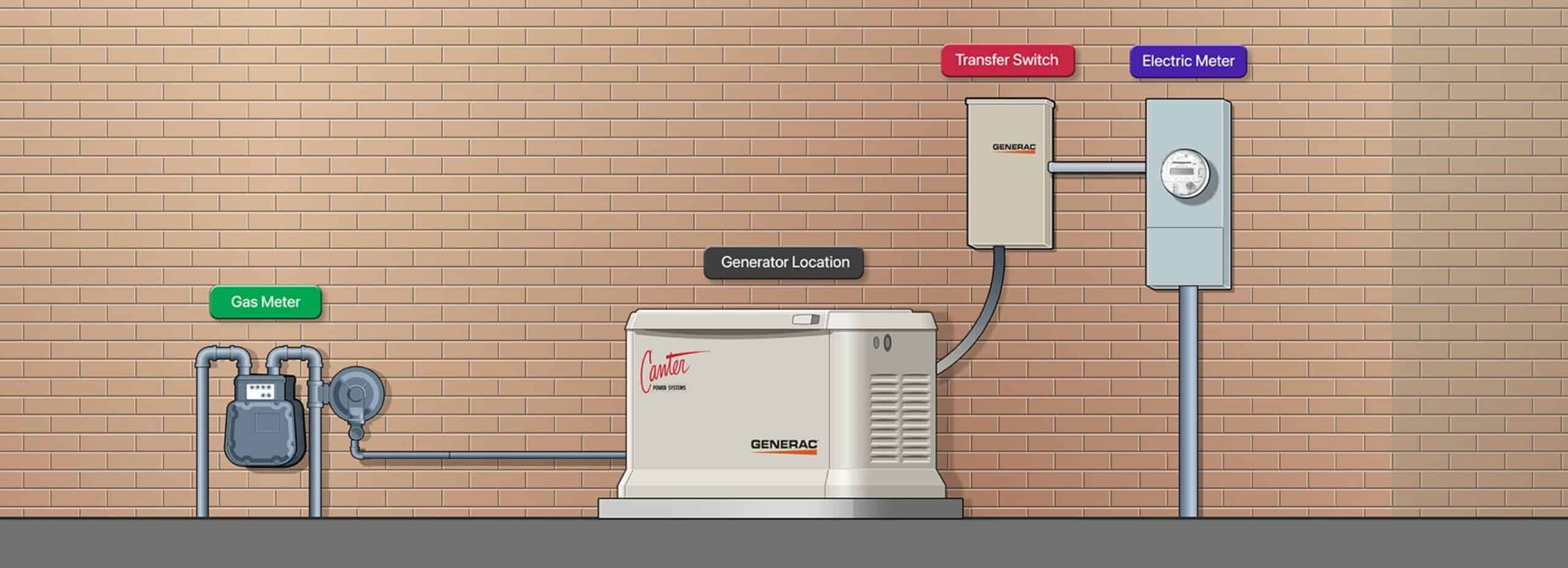
Credit: canterpowersystems.com
Choosing The Right Generator
Standby generators come in different types. The two main kinds are portableand automatic. Portable units need manual setup and fuel. Automatic generators turn on by themselves during power cuts.
| Type | Power Source | Activation | Best For |
|---|---|---|---|
| Portable | Gasoline or Diesel | Manual | Short-term use, small loads |
| Automatic | Natural Gas or Propane | Automatic | Home backup, large loads |
Calculate your power needsbefore buying. Add up watts for all devices you want to run. Include things like lights, fridge, and heater. Buy a generator with a bit more power than you need.
- Natural gas:Clean and easy to use.
- Propane:Long shelf life, burns clean.
- Diesel:Powerful but needs more care.
- Gasoline:Common but stores poorly.

Credit: www.angi.com
Preparing For Installation
Choose a flat, dry spot for the generator. It should be close to your home’s main power panel but away from windows. This placement helps avoid noise and fumes inside your house. Keep the area clear of debris and plants. The generator needs good air flow to run safely.
Always turn off power before starting work. Use gloves and safety glasses to protect yourself. Check local rules for safe generator setup. Never connect the generator directly to home wiring without a transfer switch. This prevents backfeed, which can harm workers and damage equipment.
| Tools | Materials |
|---|---|
| Voltage tester | Transfer switch |
| Screwdrivers | Generator cables |
| Wire strippers | Grounding rod |
| Wrench set | Mounting pad |
Wiring The Generator
Transfer switchessafely connect the generator to your home’s power. They stop electricity from going back to the grid. This protects utility workers and your devices. The switch lets you choose which circuits get power from the generator. Always use a transfer switch made for your generator’s size.
The generator should connect to the main electrical panelwith proper wires. Use wires that match the generator’s power output and local rules. Connect the generator wires to the transfer switch inputs. This setup keeps your home safe and powered during outages.
Grounding the system stops electric shocks and fires. Connect a grounding rod from the generator to the earth. Use a copper wire that is thick enough and follows local codes. Proper grounding helps the generator work safely and protects your home.
Testing The Setup
Turn on the generator switch to power up the system. Check all connections for any loose wires. Listen for unusual sounds or vibrations. Watch the control panel for error messages.
Run a load test by plugging in devices or appliances. This helps confirm the generator can handle the power demand. Start with small loads and increase gradually. Monitor voltage and frequency to ensure stable output.
- Check fuel level if the generator won’t start.
- Reset circuit breakers if power is unstable.
- Inspect battery connections for corrosion.
- Ensure transfer switch is working properly.
- Refer to the manual for specific error codes.
Maintaining Your Generator
Regular inspectionskeep your generator safe and ready. Check oil, coolant, and air filters often. Look for leaks or loose parts. Run the generator monthly to test it. This helps find problems early.
Fuel storage tipsmatter for good performance. Store fuel in a cool, dry place. Use containers made for fuel storage. Replace old fuel every six months. Add fuel stabilizer to keep fuel fresh. Avoid storing fuel near heat or flames.
Professional servicingkeeps your generator working well. Experts check parts you cannot see. They clean and fix the engine. Service your generator at least once a year. This extends its life and avoids big repairs.
Safety Tips
Carbon monoxideis a dangerous gas from generators. Always place the generator outside, far from windows and doors. Never run it in a garage or basement. Use a carbon monoxide detector near your home to stay safe. Proper ventilation is key to avoid risks.
Turn off the generator before refueling. Let it cool down to stop fires or burns. Follow the manual’s steps for a safe shutdown. This helps avoid damage and keeps everyone safe.
| Emergency Contact | Purpose |
|---|---|
| Local Fire Department | Fire or gas leak emergencies |
| Poison Control Center | Carbon monoxide poisoning help |
| Electrician | Electrical issues with generator |

Credit: aquariushomeservices.com
Frequently Asked Questions
How Do I Safely Connect A Standby Generator?
Turn off the main power before connecting your standby generator. Use a transfer switch to prevent backfeed. Follow manufacturer instructions precisely. Ensure all connections are secure and grounded. Consult a licensed electrician if unsure about installation.
What Tools Are Needed To Connect A Standby Generator?
You’ll need a transfer switch, appropriate wiring, circuit breakers, screwdrivers, wire strippers, and a voltage tester. Safety gear like gloves and goggles is essential. Having these tools ensures a safe and efficient installation process.
Can I Connect A Standby Generator Without A Transfer Switch?
No, connecting a standby generator without a transfer switch is unsafe. It risks backfeeding electricity, which can endanger utility workers and damage equipment. A transfer switch ensures power is safely isolated between your home and the grid.
How Long Does It Take To Connect A Standby Generator?
Connecting a standby generator typically takes 2 to 4 hours. This varies based on your home’s electrical setup and installer experience. Professional installation ensures safety and compliance with local codes. Always schedule enough time for thorough testing after installation.
Conclusion
Connecting a standby generator takes careful steps and attention. Always follow safety rules and local codes to avoid problems. Test your setup regularly to ensure it works when needed. Keep the manual handy for quick reference. A well-connected generator gives peace of mind during power outages.
Stay safe and prepared with the right connection process.