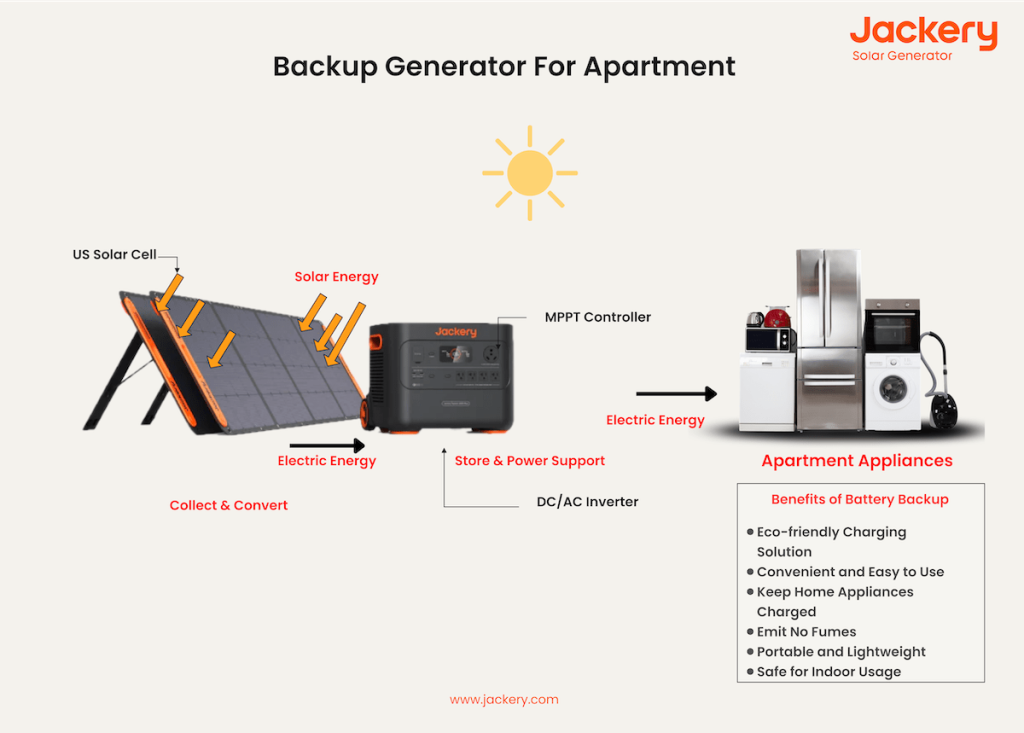
Are you tired of unexpected power outages disrupting your daily life? Connecting a battery to a generator can be your ticket to uninterrupted power supply, giving you peace of mind even when the grid lets you down.
However, doing it safely is crucial to protect your appliances, your home, and most importantly, your loved ones. In this guide, you’ll discover simple, foolproof steps to connect a battery to a generator without risking damage or danger. Imagine the relief of knowing you can keep the lights on, the fridge running, and your devices charged during any emergency.
Stay with us, and let’s ensure your backup power setup is as safe and efficient as possible.
Safety Precautions
Wear protective gearlike gloves and safety glasses. This helps to avoid burns or acid splashes.
Always work in a ventilated area. Battery gases can be harmful. Fresh air keeps you safe.
Check the battery and generator conditionbefore connecting. Look for cracks, leaks, or rust. Damaged parts can cause accidents.
- Use clean and dry cables to connect.
- Make sure battery terminals are tight and clean.
- Turn off the generator before attaching the battery.
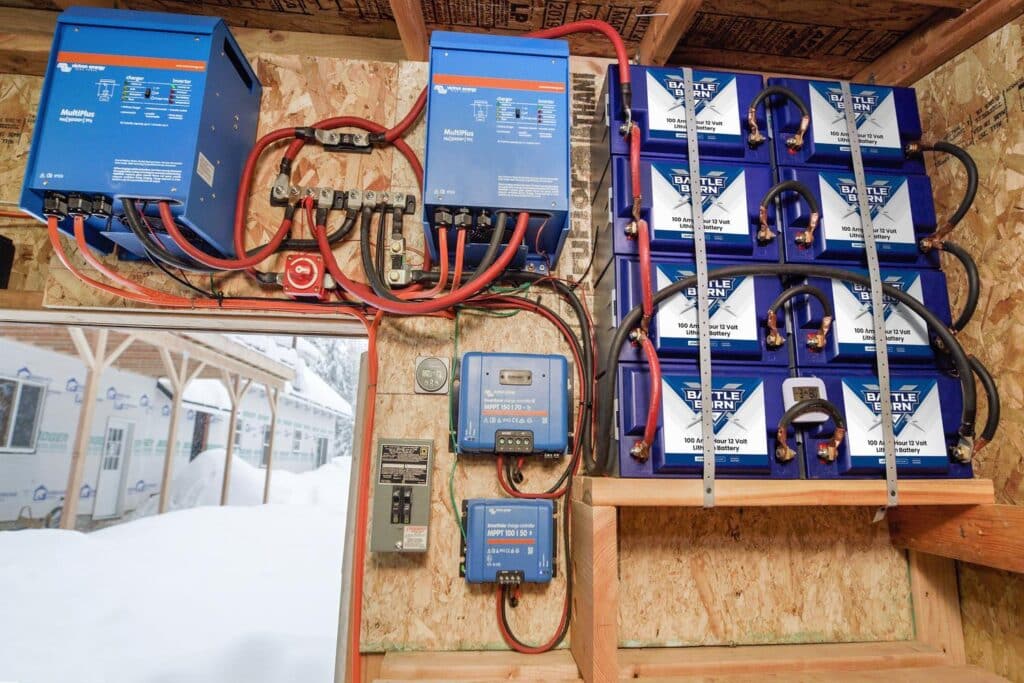
Credit: battlebornbatteries.com
Gathering Necessary Tools
Start by gathering all necessary toolsbefore connecting the battery to the generator. Use cablesthat match the battery and generator specifications. Cables should be thick enough to handle the current safely. Insulated tools help protect you from electric shocks. Prepare a set of insulated pliers and screwdrivers to avoid accidents.
A multimeteris essential to check the battery’s voltage and ensure correct polarity. It helps confirm there are no wiring issues before making connections. Keep the multimeter nearby for quick tests during the setup process.
Preparing The Battery
Check the battery terminalscarefully for any damage or loose parts. Terminals must be clean and tight to ensure a good connection.
Remove any corrosionon the terminals using a wire brush or baking soda mixed with water. Corrosion can stop electricity from flowing properly.
Make sure the battery has the right charge level. A low charge can cause the generator to not start or work poorly. Use a voltmeter to check the battery’s voltage.
Preparing The Generator
Always turn off the generatorbefore making any connections. This stops sparks and electric shocks. Locate the battery connection pointson your generator. These are usually marked with positive (+)and negative (−)signs.
Check the generator manualfor specific instructions. Manuals often have important safety tips and wiring diagrams. Follow the manual closely to avoid damage or injury.
Connecting The Battery To Generator
Start by connecting the positive terminalof the battery to the generator. This terminal is usually marked with a plus sign (+) or red color. Make sure the connection is firm and secureto avoid loose contacts.
Next, secure the cable tightlyto prevent any movement or disconnection. Use a wrench or pliers if needed. A loose cable can cause sparks or power loss.
Finally, attach the negative terminal, marked with a minus sign (–) or black color. This step ensures safe groundingand reduces the risk of electric shock. Double-check all connections for safety before starting the generator.
Testing The Connection
Start the generator and let it run steadily for a few minutes. This helps the system stabilize before checking connections.
Use a multimeter to monitor the voltageand currentlevels carefully. Ensure these readings stay within safe limits.
Watch for any unusual signs such as strange noises, sparks, or overheating. These may indicate a problem with the connection.
- Check cables for secure and tight fittings.
- Listen for abnormal sounds from the generator.
- Feel for excessive heat near connection points.
- Observe if any smoke or sparks appear.
Stop the generator immediately if any warning signs appear. Safety first.
Maintenance Tips
Regular inspection of battery and generator connections keeps them safe and working well. Check for loose wires or corrosion often. Tighten any loose terminals carefully to avoid sparks.
Keep terminals clean by wiping them with a cloth and using a small brush if needed. Dirt and rust can stop electricity flow and cause problems.
Store the battery in a cool, dry place. Avoid places with high heat or moisture, which can damage the battery. Make sure it is kept upright to prevent leaks.

Credit: www.reddit.com

Credit: www.reddit.com
Frequently Asked Questions
How Do I Safely Connect A Battery To A Generator?
First, turn off the generator and battery. Use insulated cables to connect positive to positive, negative to negative. Avoid sparks by connecting the negative terminal last. Double-check all connections before powering on.
What Tools Are Needed To Connect A Battery To A Generator?
You need insulated jumper cables, a wrench or pliers, and safety gloves. A multimeter helps verify voltage and polarity. Always use tools with insulated handles for protection against electric shocks.
Can I Connect Any Battery To Any Generator?
No, batteries and generators must be compatible in voltage and capacity. Check the generator’s specifications and battery rating before connecting. Using mismatched equipment can damage both devices and pose safety risks.
Why Is Polarity Important When Connecting Battery To Generator?
Correct polarity prevents short circuits and damage. Connecting positive to negative can cause sparks, overheating, or battery failure. Always match positive terminals to positive and negative to negative.
Conclusion
Connecting a battery to a generator requires care and attention. Always follow safety steps to avoid accidents or damage. Use the right cables and check connections twice. Keep the battery and generator dry and clean. Turn off the generator before connecting or disconnecting the battery.
Regularly inspect your setup to ensure it works well. Safe handling protects you and your equipment. Stay cautious and enjoy reliable power when you need it most.