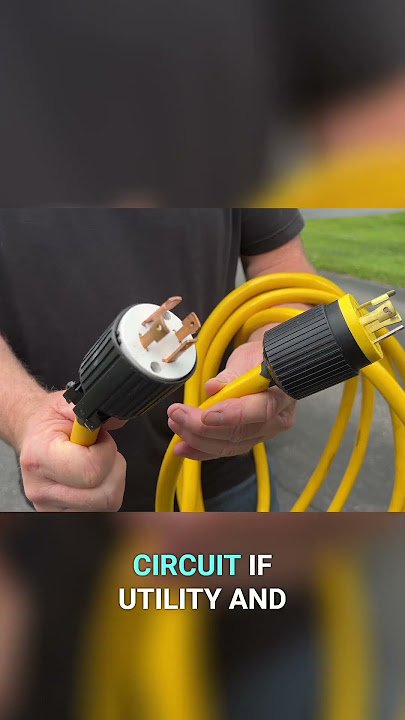
Are you planning to use a generator during your next outdoor adventure or emergency situation? Ensuring the safe connection of an extension cord to your generator is crucial not only for optimal performance but also for your safety.
Missteps in this process can lead to electrical hazards, equipment damage, or worse. Imagine the peace of mind you’ll have knowing you’re protecting your valuable devices and yourself by following the right steps. In this guide, you’ll discover straightforward tips and essential precautions to connect your extension cord to a generator safely.
Dive in to equip yourself with the knowledge that keeps you and your equipment safe and sound.
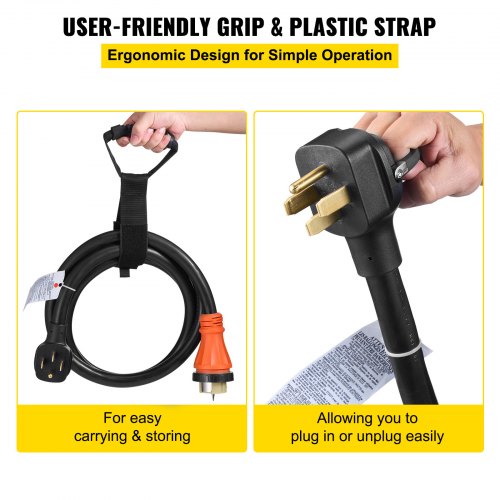
Credit: www.vevor.ca
Choosing The Right Extension Cord
Choosing the right extension cord for your generator is very important. The gaugeof the cord shows its thickness. A lower gauge number means a thicker wire that can carry more power safely. The lengthmatters too. Longer cords need thicker wires to avoid power loss or overheating.
Use outdoor cordsonly for generators. These cords have strong insulationto protect against weather and moisture. Indoor cords are not safe outside and can cause shocks or fires.
Check the power ratingof the extension cord. It should match or be higher than the generator’s output. Using a cord with a lower rating can cause overheating and damage. Always match the cord’s rating with your generator’s power needs.

Credit: truegear.com.au
Preparing The Generator For Connection
Check the generator outputto match the extension cord’s capacity. This prevents overloadingand hazards. Use cords rated for the generator’s wattage.
Place the generator on a flat, dry surfaceoutside. Keep it away from doors, windows, and vents. This reduces carbon monoxide risksand keeps it stable.
Always make sure the generator is turned offbefore connecting the extension cord. This avoids sparksand electrical shocks. Wait a few seconds to confirm it is off.
Connecting The Extension Cord
Check the extension cordfor cuts, cracks, or worn areas. Look at the plugsfor bent or broken prongs. Make sure the cord is rated for the generator’s power output. Use cords with heavy-duty insulationto prevent damage.
Plug the cord firmly into the generator’s outlet. Ensure a tight connectionwithout any loose parts. Use a cord connectorif needed to avoid pulling or tugging. Keep the cord dry and off the ground to prevent hazards.
| Tip | Why |
|---|---|
| Do not overload the cord | Prevents overheating and fire risk |
| Check the cord’s watt rating | Matches generator output for safety |
| Use a cord with ground wire | Reduces shock hazards |
| Avoid connecting multiple cords | Prevents voltage drop and damage |

Credit: acworks.com
Safety Measures During Operation
Keep extension cords dryto prevent electric shocks. Avoid placing cords on wet ground or near water sources. Elevate cordsusing hooks or stands to keep them off damp surfaces. This reduces the chance of damage and hazards.
Check cord temperatureoften during use. Warm cords may signal overload or damage. If cords feel hot, unplug them immediately and let them cool. Never cover cords with rugs or blankets.
Use Ground Fault Circuit Interrupters (GFCI)to protect against electric shocks. GFCIs quickly cut power if a fault occurs. They are especially important in wet or outdoor areas. Test GFCIs regularly to ensure they work.
Common Mistakes To Avoid
Using damaged or improper cordscan cause serious risks. Always check cords for cuts, frays, or worn spots before use. Choose cords rated for outdoor use and the generator’s power output.
Overextending cord lengthleads to voltage drop and power loss. Long cords can also cause overheating. Use the shortest cord possible to keep power steady and safe.
Ignoring manufacturer guidelinescan lead to unsafe connections. Follow instructions about cord types, lengths, and power limits. This helps avoid damage to your generator or devices.
Maintenance And Storage Tips
Check extension cords before each use for cuts, cracks, or frays. Look closely at the plugs and connectors for any damage or burn marks. Test cords by gently bending them to find hidden breaks. Replace cords showing any signs of wear.
Store cords in a cool, dry place. Coil cords loosely to avoid kinks. Avoid placing heavy objects on top. Use cord reels or hooks to keep cords off the floor. Protect cords from moisture and direct sunlight.
| Condition | Action |
|---|---|
| Frayed wires or exposed copper | Replace immediately |
| Damaged plugs or connectors | Do not use, get a new cord |
| Cracks or splits in insulation | Replace cord |
| Burn marks or melted areas | Discard cord for safety |
Frequently Asked Questions
How Do I Safely Connect An Extension Cord To A Generator?
Use a heavy-duty, outdoor-rated extension cord with the correct gauge. Ensure the generator is off before plugging in. Connect the cord securely to the generator’s outlet. Avoid overloading the cord to prevent overheating and electrical hazards.
What Gauge Extension Cord Is Best For Generators?
Choose an extension cord with a lower gauge number for higher power. For most generators, 12 or 10 gauge cords are ideal. Thicker wires handle more electricity safely and reduce voltage drop over long distances.
Can I Use Any Extension Cord With My Generator?
No, only use cords rated for outdoor use and generator power. Avoid thin or damaged cords as they risk fire or electrocution. Match the cord’s amperage rating to the generator’s output to ensure safety.
How Far Can An Extension Cord Be From The Generator?
Extension cords should generally not exceed 50 feet to avoid voltage drop. Longer cords may cause power loss and overheating. Use thicker gauge cords if a longer distance is necessary.
Conclusion
Connecting an extension cord to a generator needs care and caution. Always check the cord’s rating matches the generator’s power output. Keep cords dry and avoid running them under rugs or water. Use cords with proper grounding to prevent shocks.
Plug cords firmly into the generator’s outlet. Turn off the generator before connecting or disconnecting cords. Following these steps keeps you safe and your devices working well. Stay alert and handle your generator and cords with respect for safety. Simple actions make a big difference in avoiding accidents.