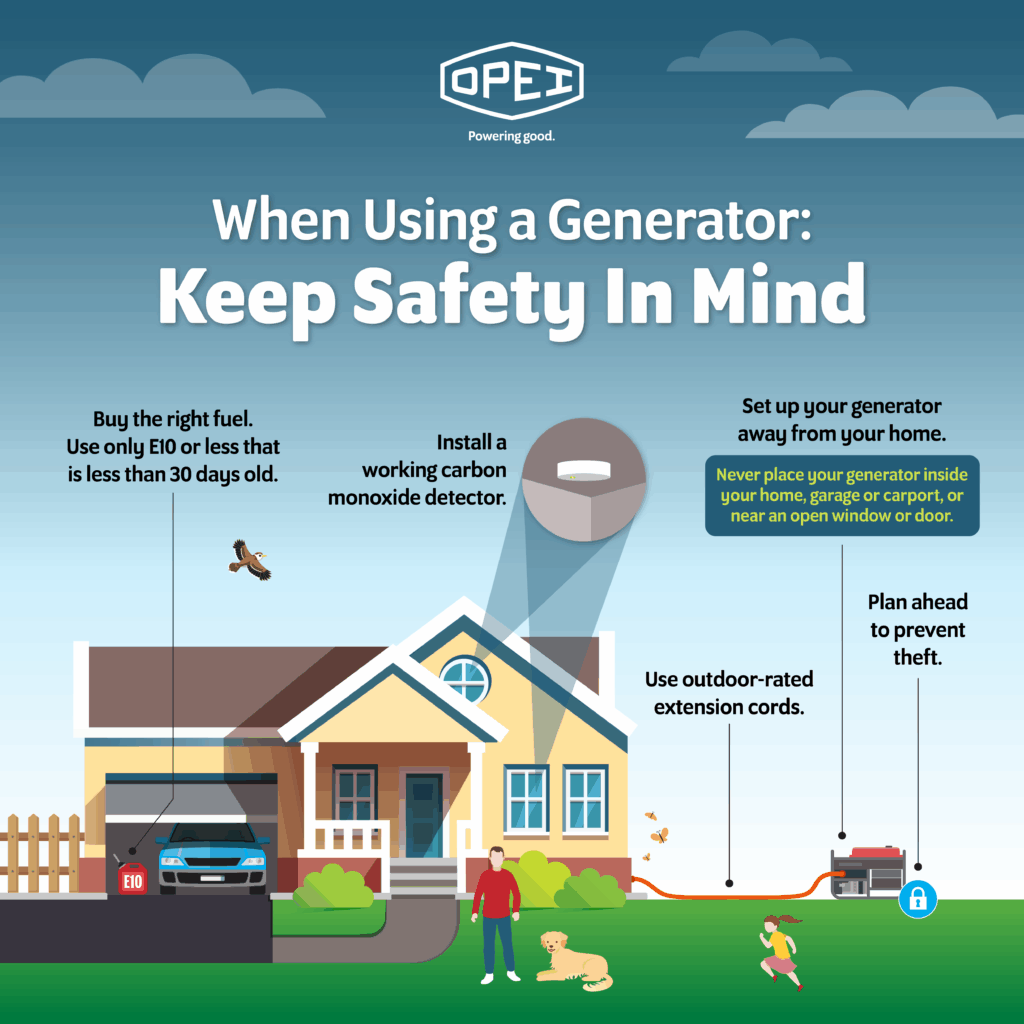
Are you ready to power up your generator without any risks? Connecting a fuel can to your generator might seem simple, but doing it the wrong way can lead to dangerous spills, fires, or damage to your equipment.
In this guide, you’ll learn easy, step-by-step tips to handle fuel safely and keep your generator running smoothly. By following these proven methods, you’ll protect yourself, your family, and your valuable gear. Keep reading to discover how to make this essential task quick, safe, and stress-free.
Choosing The Right Fuel Can
Material typesaffect fuel can safety and durability. Plastic cans are lightweight and rustproof. Metal cans are strong but may rust over time. Choose a can made from high-quality, fuel-safe materialsto avoid leaks and spills.
Capacity considerationsmatter for safe fuel storage. Smaller cans (1-5 gallons) are easier to carry and control. Large cans hold more fuel but can be heavy and harder to handle. Pick a size that fits your generator’s fuel needs and your ability to carry it safely.
Safety featureskeep fuel handling safe. Look for cans with:
- Child-resistant capsto prevent accidents.
- Spill-proof nozzlesfor easy pouring.
- Clear markingsfor fuel type and volume.
- Vent valvesto reduce pressure build-up.
Preparing The Generator
Locate the fuel porton the generator carefully. It is usually a small opening with a cap on top.
Make sure the engine is completely offbefore adding fuel. This helps avoid accidents and spills.
Clean the area around the fuel port. Use a dry cloth to remove any dirt or dust. This stops debris from entering the fuel tank.
Safe Fuel Transfer Techniques
Using a funnel or spout helps guide fuel directly into the generator’s tank. This reduces the chance of spillsand waste. Funnels are easy to use and keep your hands clean.
Avoiding spills is very important for safety and cleanliness. Always pour fuel slowly and steadily. Keep a cloth nearby to wipe any small drops immediately.
Pouring at the right angle makes fuel flow smoothly. Hold the can so the spout or funnel points directly into the fuel tank opening. Tilt the can just enough to let fuel flow without splashing.

Credit: itechworld.com.au
Handling Fuel Can Safely
Store fuelin cool, dry places away from sunlight. Use containers made for fuel only. Keep containers tightly closed to avoid spills and fumes.
Avoid static electricityby touching metal before handling fuel cans. Do not fill fuel cans inside vehicles. Use grounded funnels to fill the generator.
Transport fuel cansupright and secure to stop tipping. Keep fuel away from sparks and heat sources. Carry cans in well-ventilated areas, not inside passenger compartments.
Post-connection Checks
Make sure all caps and sealson the fuel can and generator are tightened properly. Loose caps may cause fuel spillsor air leaks. Check every seal carefully for any damage or cracks.
Look closely for fuel leaksaround the connection area. Even a small leak can be dangerous. Smell for fuel odor and watch for wet spots. If you find a leak, tighten the connection again or replace the seal.
Before starting the generator, clear the area of any flammable objects. Keep the generator in a well-ventilated space. Turn on the generator slowly and listen for unusual sounds. Stop immediately if you detect any issues.

Credit: westinghouseoutdoorpower.com
Common Mistakes To Avoid
Overfilling the tankcan cause fuel spills. Spilled fuel is dangerous and can catch fire easily. Always fill the tank below the full mark. Leave space for fuel expansion when the engine runs.
Using incorrect fuel typesharms the generator. Use only the fuel recommended by the manufacturer. Wrong fuel can clog the engine or cause damage. Check the fuel label before filling.
Ignoring ventilationcauses fumes to build up. Fuel vapors are harmful and can explode. Always connect the fuel can and generator in a well-ventilated area. Keep the fuel can away from heat sources and sparks.

Credit: wenproducts.com
Frequently Asked Questions
How Do I Safely Connect A Fuel Can To A Generator?
To connect safely, turn off the generator first. Use a clean funnel to pour fuel. Avoid spills and ensure the fuel cap is tight before starting.
What Precautions Should I Take While Fueling A Generator?
Always fuel in a well-ventilated area. Keep away from open flames or sparks. Wear protective gloves and avoid overfilling the tank.
Can I Use Any Fuel Can For My Generator?
Use only approved fuel cans designed for gasoline. These cans prevent leaks and reduce fire risks. Avoid using damaged or rusty containers.
How Do I Avoid Fuel Spills During Connection?
Use a funnel or spout designed for fuel cans. Pour slowly and steadily. Clean any spills immediately to prevent fire hazards.
Conclusion
Connecting a fuel can to a generator safely is crucial. Safety prevents accidents and keeps the generator running smoothly. Always use the right tools for the job. Follow each step carefully to ensure success. Check all connections for leaks or damages.
A secure connection means peace of mind. Regular maintenance can help prevent future issues. Stay informed about safety guidelines and updates. Your generator will serve you well if cared for properly. Prioritize safety, and enjoy reliable power whenever needed.