Imagine the lights suddenly go out, and you’re plunged into darkness. Panic sets in as you realize you’re unprepared for this unexpected power outage.
But wait! You have a generator. The only thing standing between you and getting your life back on track is connecting those generator cables. But how? This task can seem daunting, especially in an emergency. However, by the end of this article, you’ll have the confidence and know-how to connect your generator cables swiftly and safely.
You’ll transform a potentially stressful situation into a smooth and manageable experience. So, are you ready to empower yourself with this essential knowledge? Dive in, and let’s turn the lights back on together!

Credit: www.dabbsson.com
Choosing The Right Generator Cable
Cable typesvary for generators. Use cables made for outdoor and heavy-duty use. Look for rubber-coatedor weather-resistantcables. They last longer and stay safe in bad weather.
Length and gaugeaffect power flow. Longer cables need thicker wires (lower gauge numbers) to carry power safely. Thin cables over long distances can overheatand cause fires.
Check the cable’s amp rating. It should match or be higher than your generator’s output. Always pick cables with a little extra capacityfor safety.
Safety certifications like UL, CSA, or ETLshow the cable passed strict tests. Certified cables are more reliable and safefor emergency use.
Preparing For Connection
Check the generatorand cablesfor any damage. Look for cuts, cracks, or frayed wires. Make sure the generator is clean and dry.
Turn off all power sourcesbefore connecting cables. Switch off the generator and main power supply. This helps avoid electrical shock or damage.
Gather the necessary toolsfor the job. Common tools include:
- Screwdrivers
- Wire strippers
- Electrical tape
- Gloves for safety
Connecting Cables To The Generator
Locate the power outleton the generator. It is usually on the side or back. Check the outlet type before connecting cables. Different generators have different outlet shapes and sizes.
Attach the cable plug firmlyinto the outlet. Push it in until it fits snugly. A loose connection can cause power lossor safety hazards. Use cable ties or clamps to keep the cable secure and prevent it from pulling out.
Check the fitby gently pulling the cable. It should not come loose. Inspect the plug for any damage or dirt. Clean the plug and outlet if needed to ensure a good connection. Proper fit helps avoid power interruptionsand keeps the setup safe.
Connecting Cables To The Transfer Switch Or Load Center
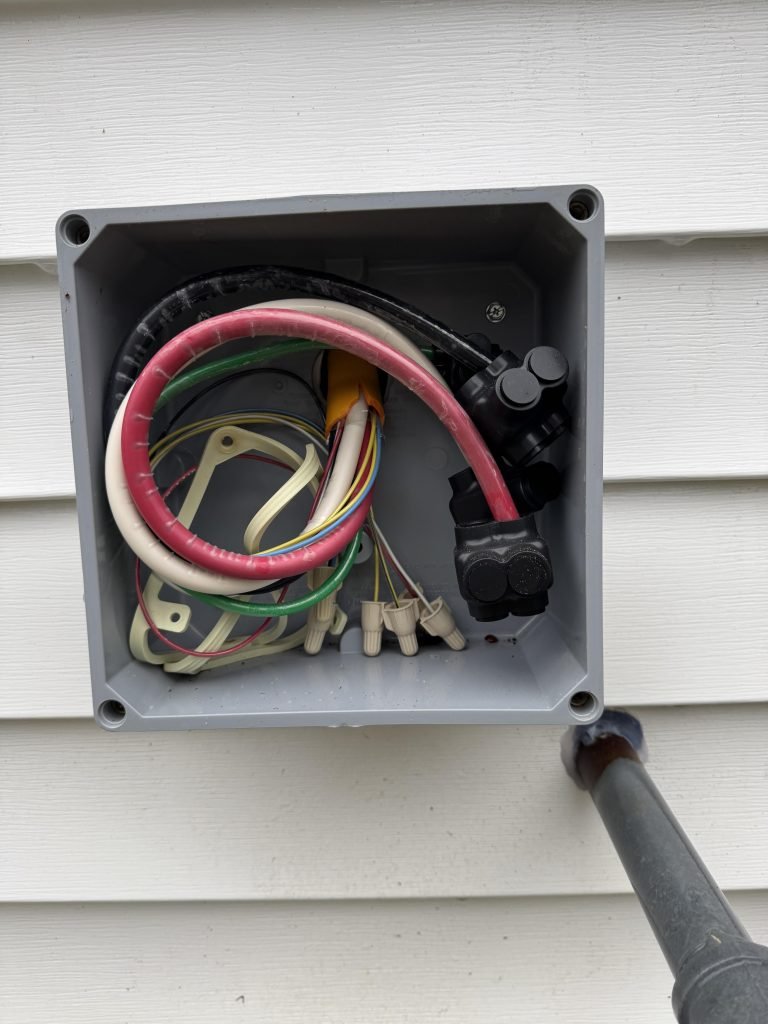
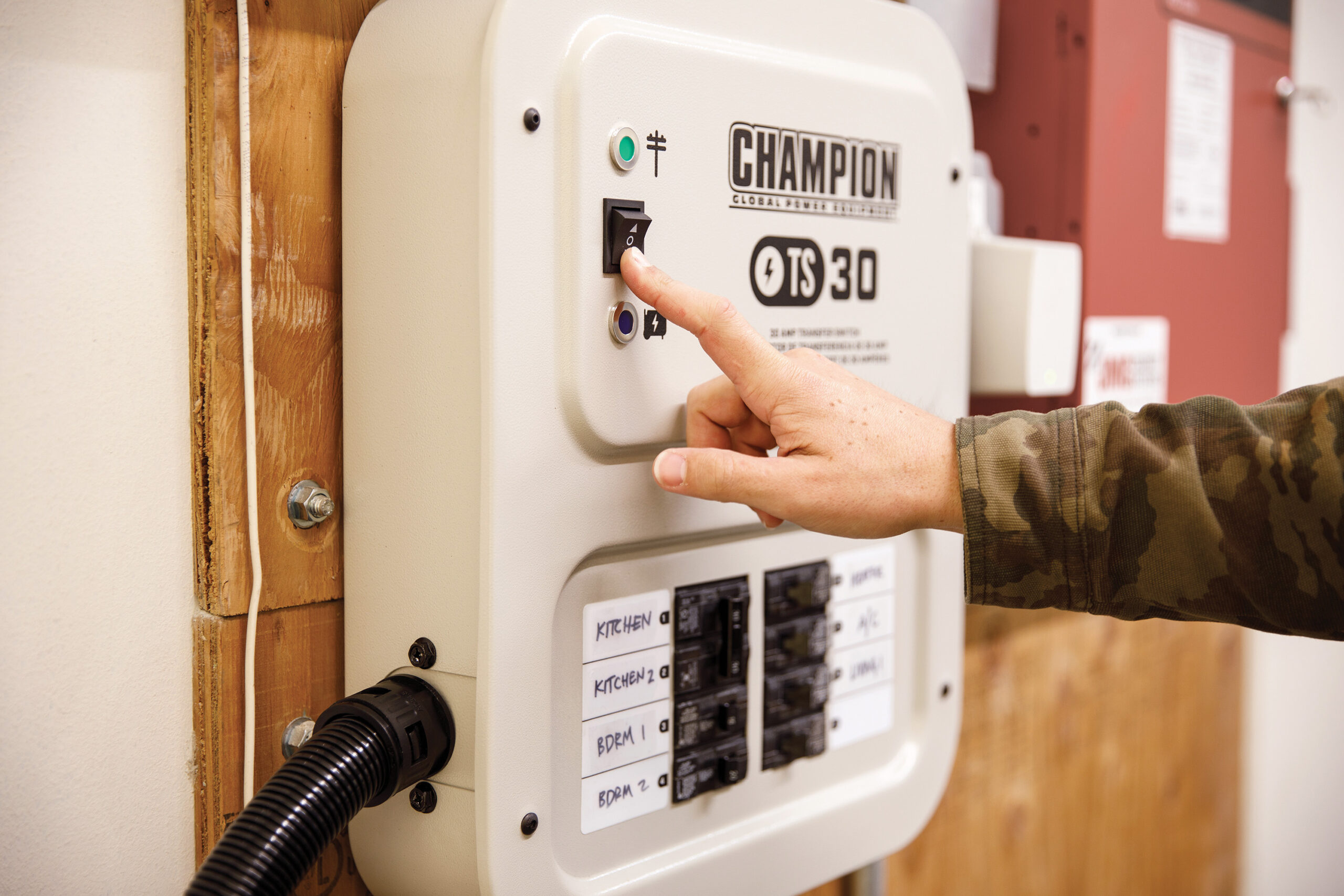
Identify the correct terminalson the transfer switch or load center before connecting cables. Terminals are usually marked to show where each wire must go.
Follow the wiring diagramsprovided with your generator or transfer switch carefully. These diagrams guide the proper connections to avoid mistakes.
- Check the color codesof wires: black or red for hot wires, white for neutral, and green or bare for ground.
- Match each wire to its correct terminalas shown in the diagram.
- Ensure wires are fully inserted and tightened securely in terminals.
Use a screwdriver to tighten all connectionsfirmly. Loose wires can cause sparks or power failure.
Double-check all connections for security and accuracybefore turning on the generator.
Testing The Setup
Test the setup by turning on the generator and checking power flow through the cables. Ensure connections are secure and no sparks or overheating occur. Verify that backup power reaches your home appliances safely.
Starting The Generator
First, make sure the generator has enough fuel. Turn on the generator switch. Listen for the engine to start smoothly. Let the generator run for a few minutes to warm up. Check for any unusual sounds or smells. This step ensures the generator works correctly before power transfer.
Verifying Power To Critical Circuits
Use a voltage tester or a multimeter to check power. Test each critical circuit one by one. Confirm the lights, refrigerator, and heating systems are running. Make sure no breakers trip during this test. This process ensures essential devices get power safely.
Monitoring For Issues
- Watch the generator for overheating signs.
- Listen for irregular noises or vibrations.
- Check cables for excessive heat or damage.
- Ensure the fuel level stays adequate.
- Turn off the generator immediately if problems appear.

Credit: www.duthiepower.com
Safety Tips And Precautions
Avoiding backfeed risksis crucial for safety. Backfeed can send power back to the grid. This can harm utility workers and damage equipment. Always use a transfer switch to separate generator power from the main grid. Never plug a generator directly into a wall outlet.
Ground fault protectionhelps prevent electric shocks. Use a generator with built-in ground fault circuit interrupters (GFCIs). These devices cut power quickly if a fault occurs. Test GFCI protection regularly to ensure it works properly.
Proper cable storage and maintenanceextend cable life and ensure safety. Store cables in a dry, cool place away from sunlight. Check for cuts, cracks, or wear before use. Replace damaged cables immediately. Coil cables loosely to avoid damage and tangles.
Credit: www.championpowerequipment.com
Frequently Asked Questions
How Do I Safely Connect Generator Cables?
First, turn off the generator and main power. Use properly rated cables. Connect cables firmly to generator and transfer switch. Avoid overloading circuits to prevent hazards. Always follow the manufacturer’s instructions and local electrical codes for safety.
What Type Of Cables Are Best For Generators?
Use heavy-duty, outdoor-rated extension cords with a gauge suitable for your generator’s wattage. Look for cables labeled for generator use. Thicker cables (lower gauge numbers) handle higher power loads safely. Avoid using damaged or undersized cables to prevent fire risks.
Can I Connect Generator Cables Without A Transfer Switch?
Connecting without a transfer switch is dangerous and often illegal. It risks back-feeding power, harming utility workers and equipment. Always use a transfer switch or interlock kit for a safe, code-compliant connection between generator and home wiring.
How Do I Prevent Generator Cable Overload?
Calculate the total wattage of connected devices. Choose cables and generator capacity exceeding this load. Avoid plugging too many high-power appliances simultaneously. Regularly inspect cables and connections to prevent overheating or damage.
Conclusion
Connecting generator cables correctly ensures safe power during emergencies. Always check cable types and connections before use. Avoid overloading your generator to prevent damage. Keep your setup dry and secure for safety. Practice these steps to stay prepared when power goes out.
Stay calm, follow instructions, and keep your home powered. Simple actions can make a big difference in emergencies.