Are you ready to power up your space safely and efficiently? Connecting a generator extension cord to your portable generator might seem tricky, but it doesn’t have to be.
Whether you’re preparing for an emergency or setting up for outdoor fun, knowing the right way to connect your extension cord can save you time, prevent damage, and keep you safe. You’ll discover simple steps and expert tips that make the process easy and worry-free.
Keep reading to ensure your generator setup works perfectly every time.
Credit: www.vevor.ca
Choosing The Right Extension Cord
Choose an extension cord with the right length and gauge. Longer cords need a thicker gauge to carry power safely. A cord too thin can cause voltage dropand damage your generator or devices.
Use only outdoor-rated cords. These cords are built to handle weather and rough use. Look for labels like “W”or “W-A”on the cord’s jacket.
| Amp Rating | Recommended Cord Gauge | Maximum Length |
|---|---|---|
| 0-10 Amps | 16 gauge | 50 feet |
| 10-15 Amps | 14 gauge | 50 feet |
| 15-20 Amps | 12 gauge | 100 feet |
Match the cord’s ampacityto your generator’s power output. Using a cord that supports less power can cause overheating and hazards.

Credit: acworks.com
Preparing Your Portable Generator
Check the fuel levelbefore starting the generator. Use fresh fuel to avoid engine problems. The oil levelmust be within the recommended range. Low oil can damage the engine quickly.
Look at the generator outletsfor any signs of damage or dirt. Clean the outlets if needed to ensure a good connection. Make sure the outlets match the plug type of your extension cord.
Always ensure the generator is turned offbefore connecting any extension cords. This prevents electrical shocks and damage. Confirm the switch is in the off position and the generator is cool enough to handle.
Connecting The Extension Cord
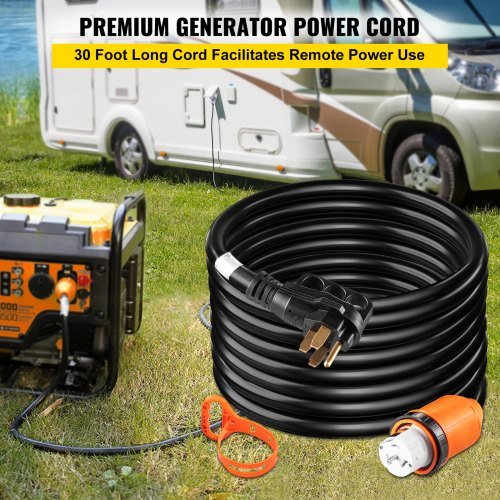
Use an extension cord that fits the generator’s plug and the device’s outlet. Check the plug types carefully. This ensures a safe and proper connection.
Make sure the cord connection is tight and secure. Loose plugs can cause sparks or power loss. Push the plug firmly into the outlet.
- Do not connect too many devices to one cord.
- Check the generator’s wattage limit before use.
- Use extension cords rated for outdoor use and heavy loads.
- Avoid running cords through water or wet areas.
Safety Tips For Operation
Keep extension cords dry. Water and electricity do not mix. Use cords with weather-resistant insulation. Avoid placing cords where they can get wet from rain or puddles. Elevate cords off the ground if possible.
Prevent tripping hazardsby organizing cords neatly. Use cord covers or tape cords down to avoid trips. Keep cords away from walkways and doorways. Arrange cords in a way that does not block paths.
- Use Ground Fault Circuit Interrupters (GFCIs)to protect from electric shock.
- GFCIs quickly cut power if a fault is detected.
- Plug GFCI devices between the generator and cords.
- Test GFCIs regularly to ensure they work properly.
Maintaining Your Extension Cord And Generator
Regularly check the extension cord and generator for any damageor wear. Look for cuts, frays, or exposed wires to avoid electrical hazards. Make sure the plugs and sockets fit securelyand are free from dirt or rust.
Store cords and generators in a dry, cool place to prevent moisture damage. Avoid places with extreme heat or cold. Coil cords loosely to stop kinksor breaks. Use cord holders or hangers for neat storage.
- Fix small cuts with electrical tapeimmediately.
- Replace cords if wires show through or plugs are broken.
- Use only parts that match your generator’s specifications.
Credit: www.vevor.com
Frequently Asked Questions
How Do I Connect An Extension Cord To A Portable Generator?
First, ensure the generator is off. Plug the extension cord into the generator’s power outlet firmly. Use a cord rated for outdoor use and with adequate power capacity. Secure connections to avoid loose plugs. Turn on the generator and then connect your appliances.
What Type Of Extension Cord Is Best For Generators?
Use a heavy-duty, outdoor-rated extension cord with a gauge suitable for your generator’s wattage. Typically, 12 or 10 gauge cords are recommended. The cord must handle the generator’s load to avoid overheating and power loss. Always check the cord’s capacity before use.
Can I Use Any Extension Cord With My Portable Generator?
No, not all cords are suitable. Use only outdoor-rated, heavy-duty extension cords that match the generator’s power output. Using an underrated cord can cause voltage drops, overheating, or fire hazards. Always check the cord’s specifications before connecting.
Is It Safe To Connect Multiple Extension Cords To A Generator?
It’s not recommended to daisy-chain multiple extension cords. This increases resistance and risk of overheating or electrical faults. Use one appropriately rated extension cord of sufficient length instead. If longer distances are needed, invest in a single, longer heavy-duty cord.
Conclusion
Connecting a generator extension cord is simple with proper guidance. Always ensure safety first. Check your generator’s power capacity. Choose the right extension cord for the load. Plug it securely into the generator’s outlet. Confirm all connections are tight and safe.
Keep the cords away from water and heat. Regularly inspect your cords for wear and tear. Proper maintenance keeps your generator running smoothly. Now, you’re ready to power your appliances safely. Enjoy the peace of mind a reliable generator brings.
Stay prepared for any power outage with these simple steps.