
Imagine a storm hits, the power goes out, and you’re left in the dark. Your fridge, lights, and essential gadgets all come to a sudden halt.
Frustrating, right? That’s where a generator comes in to save the day. But, do you know how to connect your generator to your home appliances safely and efficiently? Whether you’re preparing for emergencies or simply need a reliable backup, understanding this process can be a game changer.
This guide will walk you through the steps to ensure that your home stays powered and your daily routine remains uninterrupted. Keep reading to discover how you can easily and safely connect your generator to your home appliances, ensuring peace of mind during those unexpected outages.

Credit: www.angi.com
Types Of Generators
Portable generatorsare small and easy to move. They run on gas and power a few appliances during an outage. These are good for short-term use and outdoor activities.
Standby generatorsare fixed outside homes. They start automatically during power cuts. These use natural gas or propane and power the entire house.
Inverter generatorsprovide clean and stable electricity. They are quieter and save fuel. These are best for sensitive electronics like computers.
Essential Safety Precautions
Proper ventilationis vital for safe generator use. Always place the generator outdoors. Never run it inside a home or garage. This avoids dangerous carbon monoxide poisoning. Keep the exhaust away from windows and doors. Fresh air must flow freely to prevent buildup of fumes.
To avoid electrical hazards, never connect the generator directly to home wiring without a transfer switch. Use heavy-duty, outdoor-rated extension cords. Check cords for damage before use. Make sure cords plug firmly into appliances. Avoid overloading the generator by knowing its wattage limit. Turn off the generator before plugging or unplugging devices.
Ground Fault Circuit Interrupters (GFCIs)help prevent electric shocks. Use GFCI outlets or portable GFCI adapters with your generator. These devices cut power quickly if a fault occurs. They add an extra layer of safety, especially in damp or wet areas.
Preparing Your Home Appliances
Check the power ratingof each appliance before connecting. This helps avoid overloading the generator. Power ratings are usually on the appliance label or manual.
List the critical appliancesthat need power first. These may include the refrigerator, heater, or medical devices. Prioritize these to keep them running during an outage.
- Unplugall non-essential devicesto save power.
- Turn off lights and small electronics not needed.
- Focus generator power on important appliances only.

Credit: www.renogy.com
Connecting The Generator
Extension cordsmust be heavy-duty and rated for outdoor use. Use cords that match the generator’s wattage. Avoid overloading the cords by plugging in too many appliances. Keep cords away from water and sharp objects. Always plug cords directly into the generator’s outlets.
Transfer switchesconnect the generator to your home’s electrical panel safely. They prevent back-feeding, which can harm utility workers or damage equipment. A licensed electrician should install the transfer switch for safety and code compliance.
Direct connection involves wiring appliances straight to the generator. This method requires proper connectors and knowledge of electrical systems. Only connect appliances that the generator can handle to avoid overloads.
Operating The Generator
Start the generator by turning the fuel valve on. Then, switch the engine to the “on” position. Pull the recoil starter cord gently until the engine fires. Let the generator run for a few minutes before connecting appliances. This helps the engine warm up and work smoothly.
Keep the total power use within the generator’s capacity. Check the watt rating of each appliance before plugging it in. Avoid running too many devices at once. Overloading can cause damage to the generator and your appliances.
Check fuel levels regularly to avoid sudden shutdowns. Use fresh fuel to keep the engine running well. Turn off the generator before refueling to prevent accidents. Keep a spare fuel container nearby for quick refills.
Maintenance And Troubleshooting
Regular maintenancekeeps your generator safe and working well. Check the oil level before every use. Replace the oil after 50 hours of running or as the manual says. Clean or replace the air filter to avoid dust build-up. Test the battery and clean the terminals to keep power flow steady. Store the generator in a dry place to stop rust and damage.
Common connection issues include loose wires and blown fuses. Make sure all cables are tight and secure. Check the circuit breaker if appliances don’t get power. Faulty extension cords can cause power loss; use good quality cords. Avoid overloading the generator beyond its capacity to prevent damage.
- Strange noises or smells
- Generator won’t start or stops running
- Power cuts or flickering lights
- Overheating or smoke
For these problems, it is best to call a professional. Do not try to fix major electrical or engine issues yourself. Professionals have the right tools and knowledge to keep you safe.
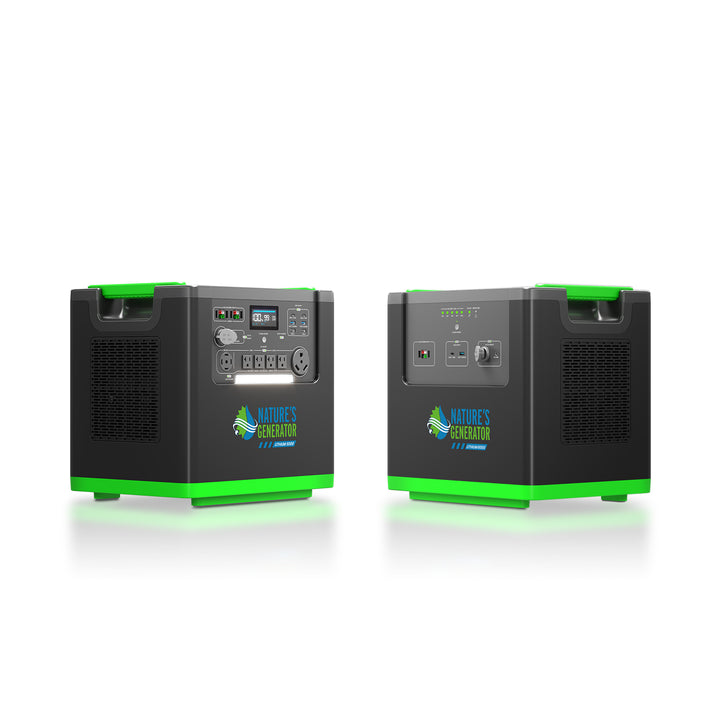
Credit: naturesgenerator.com
Frequently Asked Questions
How Do I Safely Connect A Generator To Home Appliances?
Use a transfer switch to connect your generator safely. Avoid direct plugging into outlets. Always follow the manufacturer’s guidelines and ensure the generator is grounded properly to prevent electrical hazards.
Can I Run All Home Appliances With One Generator?
No, most generators have limited capacity. Check your generator’s wattage rating. Only run essential appliances within its power limits to avoid overload and damage.
What Type Of Generator Is Best For Home Use?
Inverter generators are ideal for home use. They provide clean power and run quietly. Choose one based on your power needs and fuel type preference.
How Do I Connect A Generator To A Home Transfer Switch?
Turn off the main breaker first. Connect the generator to the transfer switch inlet. Start the generator, then switch the transfer switch to the generator position.
Conclusion
Connecting a generator to home appliances can keep power flowing during outages. Always follow safety steps to avoid accidents. Use the right cables and check appliance limits. Test the setup before a real power cut. Stay prepared and stay safe with your generator.
This simple guide helps you keep your home running smoothly.