Imagine a storm is brewing outside, and suddenly, the power goes out. You’re plunged into darkness, and all the comforts of home seem to vanish.
In these moments, a generator can be your lifeline, keeping your lights on and your essential appliances running. But, do you know how to connect it to your home safely? Your safety and peace of mind depend on doing this correctly.
This guide will walk you through the process step-by-step, ensuring you’re not just prepared, but confident in your ability to keep your home powered up safely. Let’s delve into the essential steps you need to take, so you can rest easy knowing your home is both powered and secure.

Credit: www.reddit.com
Choose The Right Generator
Choosing the right generator depends on your power needs. Generators vary in size and output.
Here are common types:
- Portable Generators:Easy to move, good for small power needs.
- Inverter Generators:Provide clean power, quieter and fuel-efficient.
- Standby Generators:Installed permanently, start automatically during outages.
| Power Requirements | Description |
|---|---|
| Small (up to 3000 watts) | Run lights, small appliances, and fans. |
| Medium (3000-7000 watts) | Power refrigerators, TVs, and multiple devices. |
| Large (7000+ watts) | Support entire home or heavy equipment. |
Fuel optionsaffect cost and use:
- Gasoline:Easy to find, but short shelf life.
- Propane:Burns cleaner, stores longer.
- Diesel:Efficient for large generators, but can be noisy.
- Natural Gas:Good for standby generators, connected to home supply.

Credit: aquariushomeservices.com
Prepare Your Home For Connection
Check the main electrical panelto see if it can handle extra load. Know the total poweryour home needs during an outage. This helps avoid overloadingthe system.
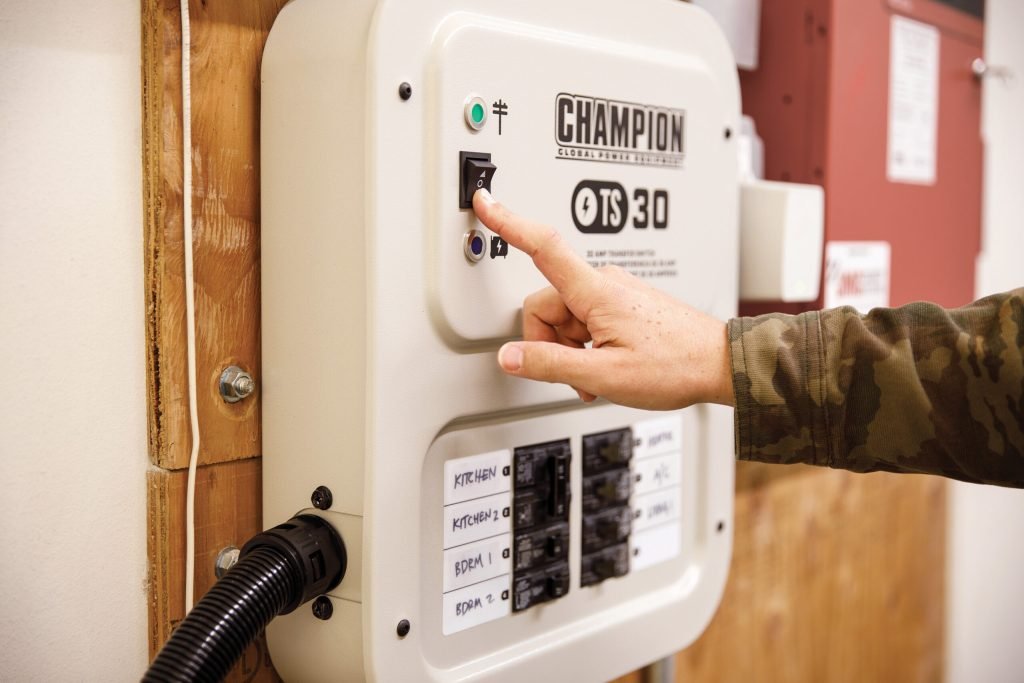
Install a transfer switchto connect the generator safely. This device isolatesyour home from the main power grid. It prevents backfeed, which can be dangerous for utility workers.
- Glovesto protect hands from electric shock.
- Safety gogglesto shield eyes.
- Voltage testerto check live wires.
- Extension cordsrated for outdoor use and heavy loads.
- Fire extinguishernearby for emergencies.
Safe Connection Steps
Turn off the main powerto avoid backfeed, which can harm workers and damage equipment. This step is critical for safety. Confirm the main breaker is fully switched off before proceeding.
Connect the generator to the transfer switchusing a proper generator inlet box or a dedicated power cord. The transfer switch isolates generator power from the utility power. This prevents electrical hazards and keeps your home circuits safe.
Start the generatoroutside in a well-ventilated area to prevent carbon monoxide buildup. Once running, monitor the generatorregularly to ensure it works smoothly and supplies power safely. Check fuel levels and listen for unusual noises.
Prevent Common Hazards
Backfeedinghappens when electricity flows backward into power lines. This can hurt utility workers and damage equipment. Always use a transfer switchto stop backfeeding. Never plug a generator directly into a home outlet.
Proper ventilationis key. Generators produce deadly carbon monoxide gas. Place the generator outside, far from doors and windows. Never run it in a garage or basement.
Fuel storage safetykeeps fire risks low. Store fuel in approved containers and away from the home. Let the generator cool before refueling. Avoid overfilling the tank to prevent spills.
Maintenance And Testing
Regular checks keep your generator safeand working well. Look for leaks, cracks, or loose parts. Clean the air filter often to avoid dust buildup.
Test runs help find problems early. Run the generator for about 20 minutes every month. This keeps the engine lubricatedand ready for use.
| Battery Maintenance | Oil Maintenance |
|---|---|
|
|
Legal And Code Compliance
Local laws often control how to connect a generator to your home. These rules protect your home and neighbors. Always check the local regulationsbefore starting. They can vary by city or state.
Many places require permitsto install a generator connection. These permits ensure the work follows safety codes. After installation, inspections may be needed to confirm everything is safe.
Hiring licensed professionalsis key. They know the rules and can do the job right. Professionals can help avoid mistakes that cause hazards or legal trouble.

Credit: www.renogy.com
Frequently Asked Questions
How Do I Safely Connect A Generator To My Home?
Use a transfer switch to connect the generator safely. Avoid backfeeding by never plugging the generator directly into outlets. Ensure all connections are secure and follow local electrical codes to prevent hazards.
What Is A Transfer Switch And Why Is It Important?
A transfer switch isolates your home wiring from the utility grid. It prevents power backfeed, protecting utility workers and your equipment. This device ensures safe and legal generator connection during outages.
Can I Connect A Generator Without Professional Help?
Connecting a generator requires electrical knowledge and permits. Hiring a licensed electrician ensures safe installation and code compliance. DIY connections risk injury, damage, and legal issues.
How Do I Choose The Right Generator Size For My Home?
Calculate your essential appliances’ total wattage to pick a generator size. Choose a generator that can handle peak loads without overloading. Oversized or undersized units can cause inefficiency or damage.
Conclusion
Connecting a generator to your home safely protects your family and property. Always follow the right steps and use proper equipment. Turn off the main power before starting the connection. Keep the generator outdoors and away from windows. Regular checks help prevent accidents and damage.
Safety is simple but very important. Stay careful and prepared to keep your home powered without risk.