
Losing power can be stressful, especially when you need electricity for your home. But what if you could quickly connect your generator to keep your lights on and appliances running?
You might wonder how to do this safely and correctly using a power cable. In this guide, you’ll learn simple steps to connect your generator to your home without risking damage or injury. Keep reading, and you’ll gain the confidence to handle your power backup like a pro.

Credit: www.youtube.com
Choosing The Right Generator
Generators come in different typesto fit various needs. The main ones are portableand standby generators. Portable generators are smaller and easy to move. They are good for short-term power or outdoor use. Standby generators are larger and stay fixed outside your home. They turn on automatically during power cuts.
Choosing the right capacityis important. It depends on your power needs. Small generators power a few devices. Big ones can run entire houses. Check the wattage of devices you want to use. Match the generator’s power output to that number.
| Type | Features | Best For |
|---|---|---|
| Portable | Lightweight, easy to move, manual start | Camping, short outages, outdoor tools |
| Standby | Fixed installation, automatic start, high power | Whole house backup, long outages |
Selecting The Proper Power Cable
Cable gaugemust match the generator’s power output. Thicker cables carry more current safely. Choose a cable length that reaches your home without stretching. Longer cables may need thicker gauge to avoid power loss.
The cable’s insulationshould protect against weather and wear. Look for cables with strong outer layers that resist cuts and moisture. Durable cables last longer and keep connections safe.
| Safety Feature | Importance |
|---|---|
| UL or ETL Certification | Shows cable meets safety standards |
| Heat Resistance | Prevents melting or damage in hot conditions |
| Grounding | Reduces risk of electric shock |
Preparing Your Home For Connection
Identifying the transfer switchis crucial for safe generator connection. It controls power flow from the generator to your home. The switch prevents backfeed, which can harm utility workers and damage equipment.
Turning off the main powerbefore connecting the generator is essential. This step stops electricity from flowing through the main circuit. It keeps you and your home safe during setup.
Locate the generator inlet boxoutside your home. This box connects the generator to your house wiring. It usually has a weatherproof cover and is near the main electrical panel.

Credit: www.batteriesplus.com
Connecting The Generator Safely
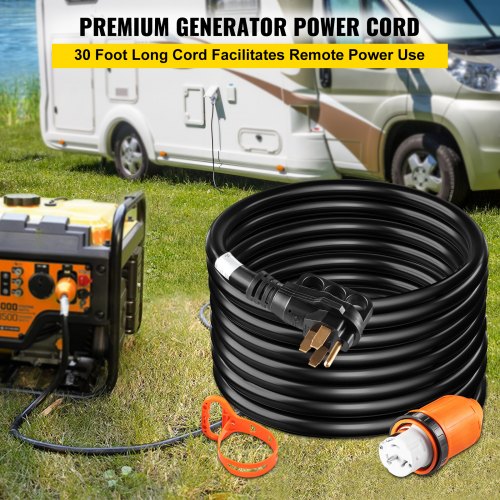
Connect the generator to your home using a proper power cable. Make sure the cable is rated for the generator’s output. Use heavy-duty extension cords designed for outdoor use.
Securely attach the cable to the generator’s outlet. Then, connect the other end to your home’s transfer switch or inlet box. This avoids direct connection to home wiring, which is unsafe.
- Check all connections for tightness to prevent sparks.
- Use waterproof covers to protect plugs and sockets.
- Keep cables away from water and sharp objects.
Backfeed hazards occur if power flows back into utility lines. This can harm workers fixing the grid. Use a transfer switch to stop backfeed. Never plug the generator directly into a wall outlet.
Operating The Generator
Start the generatorby switching the fuel valve on. Turn the choke knob to the start position if the engine is cold. Pull the starter cord gently until the engine fires. Move the choke back as the engine warms up.
To stop the generator, turn off all connected appliances first. Let the generator run without load for a few minutes. Switch off the engine by turning the stop switch or key. Close the fuel valve to prevent leaks.
Keep an eye on the loadto avoid overloading. Check the fuel level often to prevent sudden stops. Use only recommended fuel for better performance.
Perform routine safety checksbefore each use:
- Inspect the power cable for cuts or damage.
- Check oil and fuel levels.
- Ensure the generator is on a flat, dry surface.
- Verify that ventilation is clear to avoid overheating.
Credit: www.vevor.ca
Common Mistakes To Avoid
Using the wrong cablecan cause serious issues. Choose a cable with the right gauge and length. Thin or long cables may overheatand become dangerous. Always use cables designed for generator use.
Not groundingthe generator properly risks electrical shock. Grounding helps protect you and your devices. Connect the grounding wire to a metal roddriven into the earth.
- Overloadingthe generator can cause it to stop working.
- Know your generator’s power limitand do not exceed it.
- Divide power usage between essential appliancesonly.
Maintenance Tips For Longevity
Regularly check power cablesfor cuts, cracks, or wear. Replace damaged cables immediately to avoid hazards. Keep connections clean and dry to prevent rust or short circuits.
Schedule generator serviceat least once a year. Change oil, filters, and spark plugs as recommended. Test the generator under load to ensure proper function.
| Storage Tip | Reason |
|---|---|
| Store generator in a dry, cool place | Prevents rust and damage to parts |
| Cover with a waterproof sheet | Keeps dust and moisture away |
| Drain fuel if storing long-term | Stops fuel from going bad and clogging |
Frequently Asked Questions
How Do I Safely Connect A Generator To My Home?
Use a transfer switch to connect the generator safely. Avoid direct cable connections to home wiring. Always follow local electrical codes and consult a professional electrician.
What Type Of Power Cable Is Best For Generators?
Choose a heavy-duty, outdoor-rated extension cord or cable. It should match the generator’s wattage and voltage output. Using proper cables prevents overheating and power loss.
Can I Plug A Generator Directly Into A Home Outlet?
No, plugging directly is dangerous and illegal. It risks backfeeding, harming utility workers and damaging appliances. Always use a transfer switch or generator interlock kit.
How Do I Ensure The Generator Powers Essential Appliances?
Identify essential circuits before connecting. Use a transfer switch to select circuits. This approach prioritizes power to critical appliances during outages.
Conclusion
Connecting a generator to your home ensures power during outages. Always follow safety guidelines. Use the correct power cable for your generator. This prevents accidents and damage. Check connections are secure and tight. Regular maintenance keeps your generator reliable. A well-prepared setup brings peace of mind.
No more worries about unexpected power cuts. Simple steps can make a big difference. Always prioritize safety and efficiency in setup. Keep these tips in mind for a smoother experience. Enjoy uninterrupted power when you need it most. Stay prepared, and stay powered.