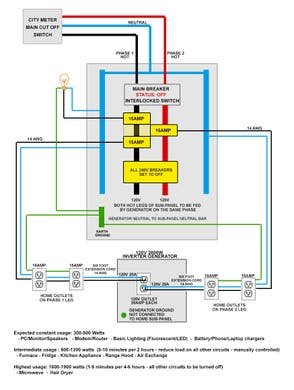
Are you tired of being left in the dark during power outages? Connecting your generator to multiple circuits can be a lifesaver, ensuring that your essential appliances keep running smoothly.
But how do you do it safely? You want to avoid any potential hazards while maximizing your generator’s efficiency. This guide is here to help you achieve just that. You’ll discover practical steps that make the process straightforward, even if you’re not a seasoned electrician.
By the end, you’ll be equipped with the knowledge to power your home confidently and securely. Ready to take charge and keep the lights on no matter what? Let’s dive in!
Choosing The Right Generator
Choosing the right generator starts with assessing your power needs. Calculate the total wattage of all devices you want to run. Consider the starting watts for appliances with motors, like refrigerators and pumps.
There are different types of generators:
- Portable generators– easy to move, good for small loads.
- Standby generators– fixed, automatic, for whole-house power.
- Inverter generators– quiet, fuel-efficient, for sensitive electronics.
Generator capacity and ratingsmatter a lot. Look at the running wattsand starting wattson the label. Make sure the generator’s capacity is higher than your total power needs. This prevents overload and keeps your circuits safe.

Credit: www.reddit.com
Essential Safety Equipment
Transfer switchesare vital for connecting generators to home circuits safely. They stop power from the generator and utility lines from mixing. This prevents dangerous backfeed that can harm workers or damage equipment.
Circuit breakersprotect wires and devices from overloads. They automatically cut power if there is too much current. This keeps your home safe from fires and electrical damage. Always use breakers rated for your generator’s power.
Ground fault protectiondetects leaks of electricity to the ground. It shuts off power quickly to avoid shocks. This is very important when using a generator outdoors or in wet areas.
Wiring Techniques
Proper gauge wiresare essential for safe generator wiring. They carry the right amount of current without overheating. Using thin wirescan cause fires or damage.
Connect each circuit separately to avoid overloading. Use a transfer switchto manage power flow safely. This helps control which circuits get power from the generator.
- Check all connections are tight and secure.
- Never mix wire sizes in the same circuit.
- Label wires to avoid confusion during maintenance.
- Avoid running wires near heat sources or water.

Credit: www.reddit.com
Step-by-step Connection Process
First, turn off the main power supply. This stops accidents while working. Check the generator’s power output matches your home’s needs. Make sure all circuit breakers are off to avoid overloads. Use proper cables rated for the generator’s wattage. Keep the generator in a dry, well-ventilated place to prevent hazards.
Install a transfer switch between the generator and the house circuits. This device safely switches power sources. Connect the generator output to the transfer switch input. Then, link the transfer switch output to your home circuits. This setup avoids backfeeding, which can harm workers and equipment.
After installation, turn on the generator and transfer switch. Test each circuit one by one to confirm power flows correctly. Check for any sparks, smells, or noises that seem unusual. Use a voltage tester on each circuit to ensure proper connection. Always keep a fire extinguisher nearby during testing.
Preventing Backfeed Hazards
Backfeedhappens when power flows back into the main electrical grid. This can be very dangerousfor utility workers and can damage equipment. It is important to understand how backfeed occurs to stay safe.
Using a transfer switchis the safest way to connect a generator. It stops power from going back into the main lines. Transfer switches also let you control which circuits get power from the generator.
Lockout procedures ensure that the main power is turned offbefore starting the generator. This prevents accidental backfeed. Always follow lockout steps and use proper tools to secure switches.
| Safety Measure | Purpose |
|---|---|
| Transfer Switch | Prevents power backflow to the grid |
| Lockout Procedures | Ensures main power is off before generator use |
| Understanding Backfeed | Recognizes dangers and how they occur |
Maintenance And Troubleshooting
Check the generator and wiring often for any signs of wearor damage. Look for loose connections and burnt smells. Clean dust and debris to keep parts working well.
Common problems include overloading circuits, which can cause the generator to shut down. Fix this by balancing the loadacross circuits. Another issue is tripped breakers. Reset them only after checking the cause.
Call a professional if the generator won’t start or if there is a burning smell. Also seek help if you see sparksor if the generator runs roughly. Safety is the top priority.
Legal And Code Compliance
Local electrical codesare rules set by your city or state. They keep wiring safe and prevent fires. Always check these rules before connecting a generator.
Permits and inspectionsmay be required by law. Permits allow work to be done legally. Inspections make sure the work is safe and done right.
Hiring licensed electriciansis very important. They know the codes and have the right tools. This helps avoid mistakes and keeps your home safe.
- Licensed electricians follow local codes.
- They get necessary permits.
- They ensure safe installation.

Credit: www.reddit.com
Frequently Asked Questions
How Do I Connect A Generator To Multiple Circuits Safely?
To connect safely, use a transfer switch and proper wiring. Avoid overloading circuits and ensure grounding. Follow manufacturer instructions and local codes for safety and compliance.
What Type Of Transfer Switch Is Best For Multiple Circuits?
An automatic transfer switch (ATS) is ideal for multiple circuits. It safely manages power distribution and prevents backfeed, enhancing safety and convenience.
Can I Connect A Generator To Home Circuits Without An Electrician?
It’s not recommended. Improper connections risk electrocution and damage. Hire a licensed electrician for safe, code-compliant installation.
How Do I Prevent Overloading When Using A Generator?
Distribute load evenly across circuits and check generator capacity. Avoid running too many high-wattage appliances simultaneously to prevent overload and damage.
Conclusion
Connecting a generator to multiple circuits needs care and clear steps. Always check the generator’s power limits to avoid overload. Use proper transfer switches for safety and easy control. Keep wires organized and follow electrical codes closely. Regularly test your setup to ensure it works well.
Safe connections protect your home and family. Stay cautious and prepared to handle power outages smoothly.