
Picture this: a sudden power outage leaves your home in the dark, and you’re scrambling to keep essential appliances running. That’s when having a generator becomes a true lifesaver.
But, how do you ensure that precious power reaches all the rooms you need it to? You’re not alone in asking this question. Learning how to connect a generator to multiple rooms is simpler than you might think, and it can make a world of difference in keeping your home comfortable and functional during power interruptions.
Stick with us, and we’ll walk you through the process step by step, ensuring you’re prepared for any unexpected blackout. Let’s get started on empowering your home with reliable electricity, no matter what.

Credit: www.reddit.com
Choosing The Right Generator
Assessing power needsis important before choosing a generator. Calculate the total watts your rooms will need. Include lights, fans, and appliances. Add a little extra power for safety. This helps avoid overloading the generator.
| Type of Generator | Best For | Key Features |
|---|---|---|
| Portable | Small rooms, short use | Easy to move, lower power |
| Inverter | Sensitive electronics | Stable power, quieter |
| Standby | Whole house, long use | Automatic start, high power |
- Look for safety featureslike automatic shut-off for low oil.
- Check for overload protection to prevent damage.
- Choose models with spark arrestors to reduce fire risk.
- Ground fault circuit interrupter (GFCI) helps avoid shocks.
Planning Your Connection Setup
Start by listing all roomswhere power is needed. Check each room’s circuitsto know what to connect. This helps avoid overloading any circuit. Use a circuit breaker panel to find the right lines.
Plan how to spread the loadevenly. Avoid running too many devices on one circuit. Balance the power use to keep the generator safe and efficient.
| Tool/Material | Purpose |
|---|---|
| Transfer Switch | Safely switch power source to generator |
| Extension Cords | Connect generator to rooms |
| Voltage Tester | Check electrical connections |
| Wire Connectors | Secure wiring connections |
| Generator | Power source |
Preparing The Generator
Check the fuel levelbefore starting the generator. Use fresh gasoline or diesel, as old fuel can cause problems. Inspect the oil and change it if needed. Clean or replace the air filter to keep the engine running smoothly.
Place the generator on a flat, stable surface. Keep it outside or in a well-ventilated area to avoid dangerous fumes. Make sure it is far from doors and windows to prevent exhaust from entering the house.
Turn the generator on and connect a voltage testeror multimeter. Check the output voltage to ensure it matches the generator’s rating. Test the generator under load by plugging in a device or appliance. This confirms it can handle the power needed for multiple rooms.

Credit: www.angi.com
Wiring The Generator To Multiple Rooms
Transfer switcheshelp safely connect a generator to multiple rooms. They stop power from the generator and the utility line mixing. This protects workers and your devices.
Install the transfer switch near the main electrical panel. It lets you choose which rooms get power from the generator. This avoids overloading the generator.
Connecting the generator to the circuit breaker panelrequires care. Turn off the main breaker first. Then connect the generator to the transfer switch input. Use wires rated for the generator’s power.
Secure all electrical connectionstightly. Loose connections cause sparks or fires. Use wire nuts or terminal screws. Check each connection twice before turning on power.
- Use a heavy-duty extension cord for the generator.
- Label the circuits powered by the generator.
- Keep the generator outside and away from windows.
- Test the setup before an outage happens.
Safety Precautions
Avoiding backfeed hazardsis crucial when connecting a generator to multiple rooms. Backfeed can send electricity back into power lines, risking injury to utility workers. Always use a transfer switchto prevent this danger. Never plug a generator directly into home outlets.
Proper grounding techniqueskeep the generator safe and prevent shocks. Connect the generator frame to a grounding rod driven into the earth. Check local codes for grounding rules. Use heavy-duty grounding wires for secure connections.
- Emergency shutoff procedureshelp stop power quickly during problems.
- Know where the shutoff switch is located.
- Test the switch before use.
- Turn off the generator if you smell fuel or hear strange noises.
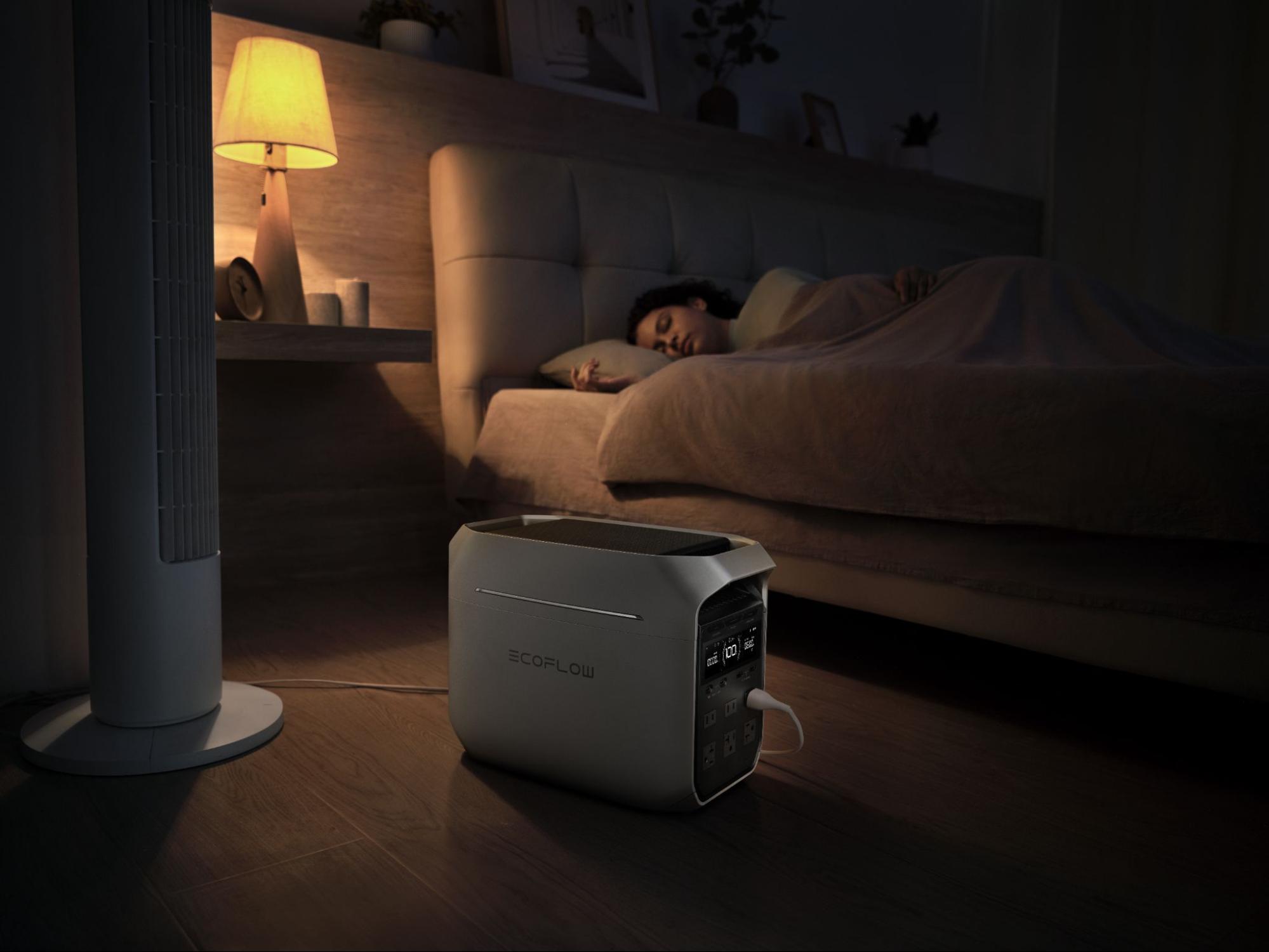
Credit: www.ecoflow.com
Testing And Troubleshooting
Check if power reaches all rooms evenly. Use a voltage tester or multimeter. Test outlets and switches to confirm power flow. Look for signs of overload like flickering lights or tripped breakers.
Common issues include loose connections, blown fuses, or overloaded circuits. Tighten all wire connections. Replace blown fuses or reset breakers. Avoid plugging too many devices in one room.
Call a professional if power is unstable or if wiring looks damaged. Do not attempt complex repairs without experience. Safety first to prevent shocks or fire risks.
Frequently Asked Questions
How Do I Safely Connect A Generator To Multiple Rooms?
Use a transfer switch to safely connect your generator to multiple rooms. Avoid direct wiring to prevent electrical hazards. Hire a licensed electrician to ensure proper installation and compliance with safety codes.
Can I Power All Rooms With One Generator?
Yes, if your generator has sufficient wattage capacity. Calculate the total power needs of all rooms. Choose a generator that can handle the combined load without overloading.
What Equipment Is Needed To Connect A Generator To Rooms?
You need a transfer switch, heavy-duty extension cords, and proper wiring. A transfer switch is essential for safe power distribution. Always use equipment rated for your generator’s output.
Is It Legal To Connect A Generator To Home Wiring?
Connecting a generator to home wiring requires a transfer switch and must meet local electrical codes. Unauthorized connections can be dangerous and illegal. Always consult local regulations and hire professionals.
Conclusion
Connecting a generator to multiple rooms requires careful planning and safety. Always check the power limits of your generator first. Use proper wiring and outlets to avoid risks. Keep the setup simple to prevent confusion and mistakes. Test the connections before relying on them during outages.
This approach helps keep your home powered safely and efficiently. Stay cautious and follow guidelines for the best results. Your home will stay comfortable even when the power goes out.