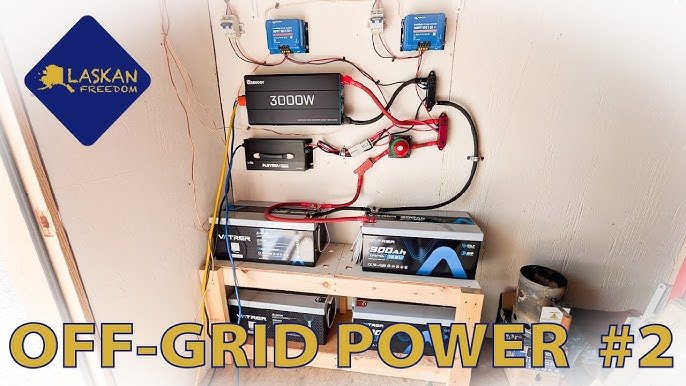
Are you dreaming of living off the grid, but worried about keeping the lights on? Imagine the peace of mind that comes with knowing your generator is ready to power your home when solar panels or wind turbines can’t keep up.
You’re not alone; many people are turning to off-grid living for independence and sustainability. But, there’s a common hurdle: how do you connect a generator to your off-grid system efficiently and safely? You might think it’s complicated, but it doesn’t have to be.
By the end of this article, you’ll know exactly what steps to take to seamlessly integrate a generator into your system, ensuring you never run out of power. Ready to make your off-grid living experience smoother and more reliable? Let’s dive into the essentials you need to know.
Choosing The Right Generator
Generatorscome in different typesfor off-grid systems. Portable generators are easy to move and good for small power needs. Inverter generators produce clean power for sensitive devices. Standby generators start automatically during power loss and serve whole homes.
Sizing your generatormatters a lot. Check the total wattage of all devices you want to power. Choose a generator that can handle the startingand running wattsof your equipment. A slightly larger size is safer to avoid overload.
Fuel optionsvary and affect runtime and cost. Gasoline is common but stores poorly. Diesel is efficient and lasts longer in storage. Propane burns cleaner and stores well but needs special tanks. Choose fuel based on availability and storage safety.
Components Of An Off-grid System
Solar panelscapture sunlight and turn it into electricity. They are the main power source in an off-grid system. Batteriesstore this electricity for use when the sun is not shining. Good batteries keep power for a long time and work well in all weather.
An inverterchanges the stored energy from batteries into usable power for your home. It makes sure your appliances get the right kind of electricity. Without an inverter, most devices cannot run on battery power.
Charge controllersprotect the batteries from getting too much or too little power. They keep the batteries healthy and extend their life. This part controls the flow of electricity between solar panels and batteries.
Safety Precautions
Proper groundingis essential for safety. It stops electric shocks and fires. Connect the generator’s frame to a ground rod driven into the earth. Use thick copper wire for grounding. Check local rules for grounding requirements.
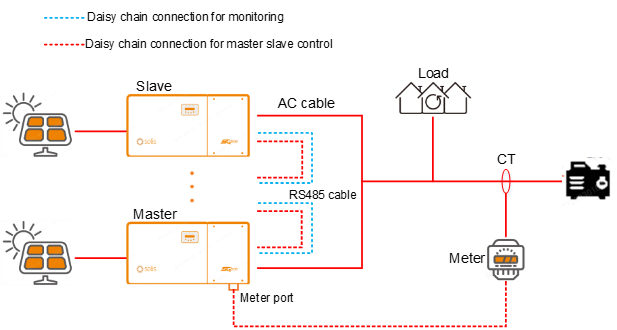
Avoiding backfeedprotects utility workers and your equipment. Backfeed happens when power flows backward into the grid. It can cause serious accidents. Use a transfer switchto stop backfeed. Never connect a generator directly to house wiring without a switch.
- Transfer switchessafely change power sources.
- They stop power from going back to the grid.
- Manual switches need you to flip them when starting the generator.
- Automatic transfer switches switch power without delay.
Credit: www.solisinverters.com
Preparing Your Generator
Check your generator carefullybefore connecting it to the off-grid system. Look for any signs of damage, loose parts, or leaks. Make sure all parts are clean and in good shape. Regular maintenance helps avoid problemsduring use.
- Fill the fuel tank with the correct type of fuel.
- Check the oil level and add more if it’s low.
- Use fresh fuel to ensure smooth running.
Start the generator in a safe, open area. Let it run for a few minutes to warm up. Check for any unusual sounds or smells. Make sure it runs smoothly and steadilybefore connecting to your system.
Connecting Generator To Off-grid System
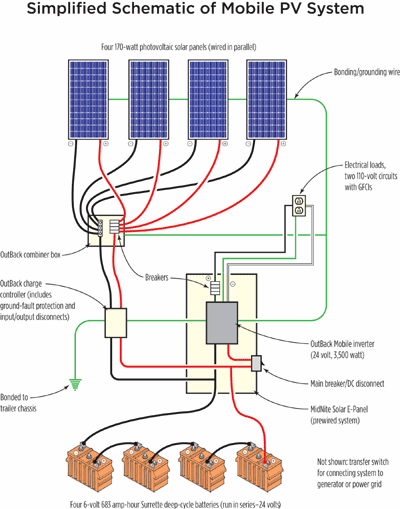
Use a transfer switch to connect the generator safely. This device stops power from the generator and grid mixing. Connect the generator’s output to the transfer switch input. From there, link to the home’s electrical panel. Always use wires with the right gauge. Improper wires cause overheating and fire risks.
Choose an inverter that supports generator input. Connect the generator output to the inverter’s AC input. This setup lets the inverter charge batteries when the generator runs. Ensure the inverter’s settings match the generator’s voltage and frequency. This prevents damage to equipment.
- Use an automatic transfer switch for smooth power changes.
- Manual switches require turning off one source before the other.
- Switches protect appliances from sudden power surges.
- Test switches regularly to ensure proper function.
Credit: www.jlconline.com
Monitoring And Managing Power
Load managementhelps keep power use within safe limits. It stops the system from getting overloaded. Use a load controllerto switch off less important devices first. This saves power for critical needs. Try to run big machines one at a time, not all together.
Battery chargingneeds a steady flow of power. A charge controllerprotects batteries from overcharging or deep discharge. Check voltage levels often. Keep battery terminals clean and tight. Use proper cables for safe charging and longer battery life.
Troubleshooting common issuesmeans checking the basics first. Look for loose wires, blown fuses, or tripped breakers. Listen for strange noises or smells. Keep the generator and system parts clean. Test the system regularly to catch problems early. Have backup parts ready for quick fixes.
Optimizing Generator Use
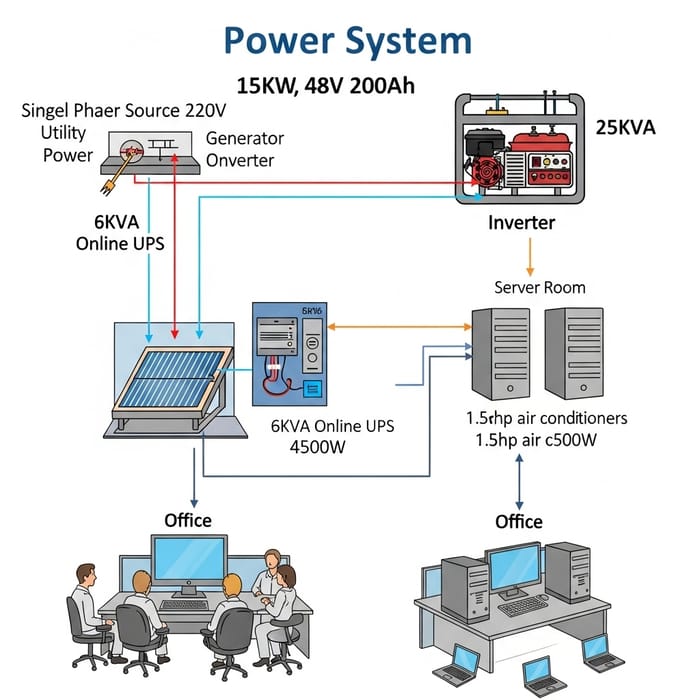
Fuel efficiencysaves money and reduces waste. Use fuel with the right grade for your generator. Keep the generator clean to avoid blockages that lower efficiency. Running the generator at a steady load helps it consume less fuel.
Schedule run times during low power demandperiods. Short, frequent runs keep the generator ready and avoid fuel problems. Avoid running the generator for long times at low loads.
Regular maintenance extends generator life. Change oil and filters as per the manual. Check spark plugs and clean air filters often. Store fuel properly to prevent damage. Turn off the generator after use to avoid wear.
Credit: easy-peasy.ai
Frequently Asked Questions
How Do I Safely Connect A Generator To An Off-grid System?
Use a transfer switch or manual interlock to prevent backfeed. Connect the generator to the system’s input terminals following the manufacturer’s instructions. Always ensure proper grounding and use correct wiring to avoid electrical hazards and damage.
What Type Of Generator Works Best For Off-grid Systems?
Inverter generators are ideal for off-grid systems due to stable power output. They are fuel-efficient, quieter, and provide clean electricity suitable for sensitive electronics and batteries in off-grid setups.
Can I Connect A Solar System And Generator Together Off-grid?
Yes, you can connect both using a hybrid inverter or transfer switches. This setup allows seamless switching between solar and generator power, ensuring continuous electricity in your off-grid system.
How Do I Prevent Overcharging Batteries With A Generator?
Use a charge controller or inverter with battery management features. These devices regulate charging voltage and current, preventing battery damage from overcharging when using a generator.
Conclusion
Connecting a generator to an off-grid system keeps power steady and reliable. Always follow safety rules and use the right tools. Test your setup to ensure it works well. Keep maintenance regular to avoid problems later. This simple guide helps you stay powered during outages.
Stay prepared, and enjoy your off-grid life with confidence.