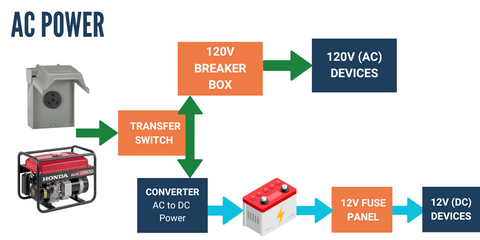
Are you planning a road trip or a camping adventure with your RV? One crucial element to ensure a smooth and comfortable journey is having a reliable power source.
Connecting your generator to RV shore power might sound like a daunting task, but it doesn’t have to be. With a few simple steps, you can easily hook up your generator and enjoy all the comforts of home while on the road.
Imagine sipping your morning coffee with the sound of nature around you, without worrying about losing power. In this guide, we’ll break down the process, making it straightforward and hassle-free. Stick with us, and you’ll be a pro at connecting your generator to shore power in no time. Ready to get started? Let’s dive in!
Safety Precautions
Always inspect the generator and RV shore power equipmentbefore use. Look for any damaged cables, frayed wires, or loose connections. Faulty equipment can cause electric shocksor fires.
Wear protective glovesand safety glassesto guard against sparks or accidental contact. Use rubber-soled shoesto reduce electric shock risk. Avoid wearing wet clothesnear electrical parts.
Understand common electrical hazardssuch as backfeed, which can harm people or damage appliances. Keep the generator offwhile connecting to the RV. Make sure the power is groundedproperly to prevent accidents.
Required Tools And Materials
Generator specificationsmust match your RV’s power needs. Check the wattageto ensure it can handle all appliances. Confirm the voltageand amperageoutput to avoid damage. A generator with a clean sine waveoutput is best for sensitive electronics.
Shore power cordsconnect your RV to the generator. Use cords rated for the correct amperageand length. Heavy-duty, weather-resistant cords last longer and are safer outdoors.
Adapters and connectorsallow different plugs to fit together. Match the adapter to your RV and generator plugs. Common types include TT-30, L14-30, and 15/30 ampconnectors. Always check for proper fit and secure connections.
Prepare The Generator
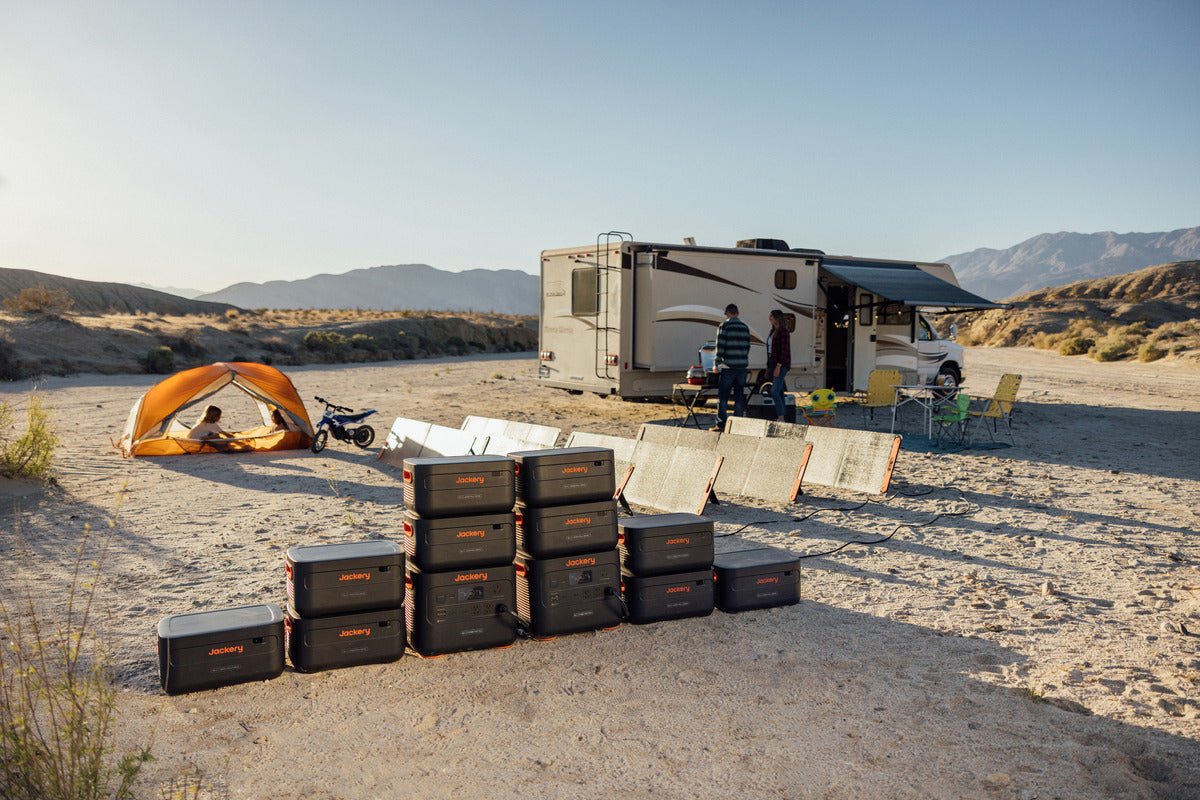
Place the generator on a flat, stable surface near the RV. Keep it away from doors and windows to avoid fumes entering the RV. Ensure there is enough space around the generator for airflow and cooling.
- Check the fuel tank. Fill it if it is low.
- Look at the oil level using the dipstick. Add oil if needed.
- Use the correct type of fuel as per the generator’s manual.
Switch the generator’s choke to the start position. Turn the key or pull the starter cord gently. Let the engine run for a few minutes to warm up. Move the choke to the run position once the engine is stable.
Credit: www.jackery.com
Locate The Shore Power Inlet
The RV shore power inletis usually on the side of the vehicle. It looks like a small door or panel. Open it carefully to find the power port. The port is a round or square socket with holes inside.
Check the port for any visible damage. Look for cracks, rust, or dirt inside the inlet. Damaged ports can cause power problemsor be unsafe. Clean the inlet gently if dirty, but avoid pushing debris inside.
Connect Generator To Shore Power
Attach the power cord firmly to the generator’s outlet. Use a cord made for RV shore power to ensure safety. Check the cord for any damage before connecting. Plug the other end into the RV’s shore power inlet. Make sure all plugs fit tightly to avoid loose connections.
Secure connections prevent power loss and accidents. Use a locking mechanism or cord holder to keep the cord in place. Avoid stretching the cord too much. Keep the cord away from water and sharp edges. Double-check that all connections are tight and stable.
Test power flow by turning on the generator. Check the RV’s power panel for active indicators. Use a voltage tester for accurate results. If power does not flow, recheck all connections. Confirm that circuit breakers are on and not tripped.

Credit: www.amazon.com
Operate Safely While Connected
Check the generator outputregularly to avoid power issues. Use a voltmeter or built-in display to see voltage and frequency. Keep the output steady to protect your RV devices.
Do not overload the generator.Know the wattage limits of your generator. Connect only essential appliances at a time. Overloading can cause damage or shut down the generator.
Always ensure good ventilationaround the generator. Run it in an open area to avoid dangerous fumes. Never operate it inside or near windows and doors.
Disconnecting And Storage
Always turn off the generatorbefore disconnecting it. This prevents damage and ensures safety. Wait for the engine to cool downbefore touching any parts.
Unplug the shore power cordfrom the RV and the power source. Handle the cord gently to avoid wear and tear.
Store the generator and cords in a dry, safe place. Keep them away from dust and moisture to extend their life. Coil the cords neatly to prevent tangles and damage.
- Turn off generator and let it cool.
- Unplug shore power cord carefully.
- Coil cords neatly to avoid damage.
- Store all equipment in a dry place.
Troubleshooting Common Issues
No Power Supplycan happen if the generator is off or out of fuel. Check the fuel level and start the generator. Make sure the circuit breakers are on and the power switch is set correctly. Inspect all cables for damage or loose connections.
Generator Overloadoccurs when too many devices run at once. Turn off some appliances to reduce the load. Check the generator’s wattage rating and compare it with your RV’s power needs. Never exceed the generator’s capacity.
Connection Problemsoften come from wrong or loose plugs. Ensure the power cord fits tightly into both the generator and RV shore power inlet. Clean any dirt or corrosion from connectors. Use a voltmeter to test for voltage if needed.

Credit: www.amazon.com
Frequently Asked Questions
How Do I Safely Connect A Generator To Rv Shore Power?
To connect safely, turn off both power sources first. Use a proper adapter and heavy-duty extension cord. Connect the generator to the RV inlet box, then turn on the generator. Finally, switch on the RV shore power to avoid electrical hazards.
What Equipment Is Needed To Link A Generator To Rv Shore Power?
You need a generator with sufficient wattage, a power inlet box, a heavy-duty extension cord, and a compatible adapter. A transfer switch or interlock kit is also recommended to prevent backfeeding and ensure safe power transfer between sources.
Can I Use A Regular Extension Cord For Rv Generator Connection?
No, regular extension cords often lack the necessary gauge and durability. Use a heavy-duty, outdoor-rated extension cord rated for the generator’s amperage. This ensures safe power transfer and reduces the risk of overheating or electrical fires.
How Do I Prevent Damage When Switching From Generator To Shore Power?
Always turn off the generator before switching to shore power. Disconnect the generator’s connection first, then plug into shore power. This avoids power surges and potential damage to your RV’s electrical system.
Conclusion
Connecting a generator to RV shore power is simple and safe. Always check your equipment and follow basic steps. Use proper cords and avoid overloading your system. Safety comes first to protect your RV and yourself. With care, you can enjoy power anywhere you go.
Keep learning and practicing to get better each time. Now, you are ready for reliable power on your trips.