Are you looking to power your home efficiently and sustainably? Connecting a generator to your solar inverter might just be the solution you need.
This powerful combination not only ensures uninterrupted power supply but also maximizes the use of renewable energy. Imagine the peace of mind you’ll have knowing your lights stay on, even during a blackout. In this guide, we’ll walk you through the steps to seamlessly connect your generator to your solar inverter.
You’ll discover how to harness the full potential of your solar system, ensuring energy reliability and cost savings. Ready to unlock the secrets of a more resilient power setup? Let’s dive in and get started on this energy-saving journey!
Understanding Generator And Solar Inverter
Connecting a generator to a solar inverter requires careful planning. Ensure both systems are compatible and check the inverter’s specifications. Use a transfer switch for seamless power transition, ensuring safe and efficient energy use.
Generator Basics
A generator makes electricity. It uses fuel like gas or diesel. Its power can keep lights on during outages. Generators are loud and need proper placement. They have different sizes for homes or big buildings. Always check fuel levels to keep it running.
Solar Inverter Functions
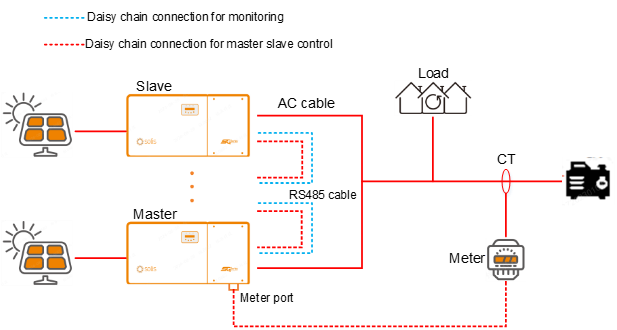
A solar inverter changes sunlight power to usable energy. It takes DC power from solar panels and turns it into AC power. AC power is what most homes use. Solar inverters work quietly and are eco-friendly. They help lower electricity bills. Regular maintenance ensures good performance.
Credit: www.solisinverters.com
Safety Precautions
Ensuring safety is key when connecting a generator to a solar inverter. Use appropriate cables and connectors for secure connections. Always follow manufacturer guidelines to prevent electrical hazards.
Personal Safety
Always wear protective gear like gloves and goggles. This keeps you safe. Ensure your hands are dry before touching any equipment. Wet hands can cause electric shocks. Keep children and pets away from the work area. They might get hurt. Follow all safety instructions provided by the manufacturer. This ensures proper handling.
Equipment Safety
Check all wires and connections for any damage. Damaged wires can be dangerous. Use only compatible equipment to avoid malfunctions. Ensure the generator is off before connecting to the inverter. This prevents electrical accidents. Follow the user manual for correct setup. Incorrect setup can cause equipment failure. Keep the equipment in a dry and clean area. Moisture and dust can damage it.
Choosing The Right Generator
Generators have different power levels. Choose one that fits your needs. Check how much power your home uses. This helps decide the generator size. Too small and it won’t work well. Too big and it’s wasteful. Match the generator power to the solar inverter. This ensures everything works smoothly.
Generators use different fuels. Some use gasoline, others use diesel or propane. Gasoline is easy to find. Diesel lasts longer and is safe. Propane is clean but needs storage space. Pick a fuel type that you can easily get. Think about how often you will use the generator. This helps in choosing the right fuel type.

Credit: www.facebook.com
Selecting Compatible Solar Inverter
Connecting a generator to a solar inverter involves ensuring compatibility and proper wiring. Check the inverter’s specifications and match it with the generator’s output. Use a transfer switch to seamlessly switch between solar power and generator energy.
Inverter Types
Understanding different inverter types is crucial. String inverters are common and connect panels in a series. Microinverters attach to each solar panel. They help in optimizing output. Hybrid inverters work with both grid and batteries. They are flexible and efficient. Choose the type that suits your needs.Compatibility Factors
Ensure compatibility between the generator and inverter. Check the voltage rating of both devices. It must match to avoid problems. Look for the power capacity of the inverter. It should handle the generator’s output. Communication protocols are also important. They ensure smooth operation and data exchange. Review these factors before connecting. `Connection Methods
Connecting a generator to a solar inverter requires proper alignment of voltage and frequency. Ensure compatibility between the generator and inverter specifications. Use a transfer switch to safely manage power flow between sources.
Direct Connection Approach
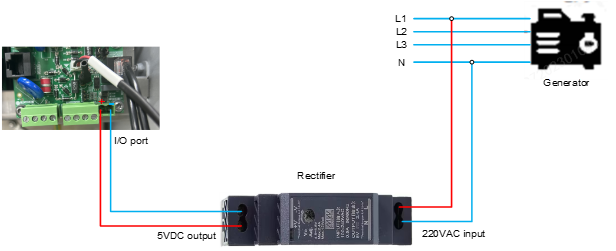
Connecting a generator directly to a solar inverter is simple. First, ensure the generator’s voltage and frequency match the inverter. Use a reliable cable to link the generator to the inverter. Always check the wiring to avoid short circuits. This method is fast but requires careful attention. Ensure the generator is off before connecting. This prevents sudden power surges. A direct connection is ideal for temporary use.
Using Transfer Switch
A transfer switch provides a safe and efficient way to connect. It prevents overloading by managing power distribution. Install the switch between the generator and inverter. Flip the switch to change power sources easily. This method protects appliances from sudden power changes. Always hire a professional for installation. It ensures everything is done correctly and safely. Using a transfer switch is recommended for long-term solutions.
Step-by-step Connection Process
Connecting a generator to a solar inverter requires careful planning. First, ensure the generator and inverter are compatible. Then, follow the manufacturer’s instructions to safely integrate both systems, ensuring proper voltage and connection settings for seamless operation.
Preparing The Equipment
Gather all needed tools and materials first. Ensure the generatorand solar inverterare compatible. Check the generator’s outputmatches the inverter’s input. Wear safety gear for protection. Verify all wires are in good condition. Use a voltmeter to test connections. Make sure the generator is off before starting. Follow all safety guidelines.
Wiring The System
Connect wires carefully. Secure the wiringto prevent loose connections. Match the wires to the correct ports. Use color codes to guide connections. Double-check each connection. Tighten screws for secure wiring. Avoid tangled wires. Keep wires away from water. Ensure wires are insulated. Follow the inverter’s manual for detailed steps.
Testing The Setup
Turn the generator on. Observe the inverter’s display. Check for error messages. Listen for unusual sounds. Ensure the system runs smoothly. Monitor the power output. Use a voltmeter to verify voltage. Make necessary adjustments. Shut down if problems occur. Contact a professional if issues persist.
Troubleshooting Common Issues
Connecting a generator to a solar inverter can be tricky. Ensure compatibility between both devices. Use correct cables and connectors for a safe connection. Always follow the manufacturer’s instructions to avoid damage.
Connection Failures
Connection issues can be tricky. First, check all wires and plugs. Ensure they are tightly connected. Sometimes, a wire might be loose. This can stop the flow of power. Inspect the cables for damage. A broken cable can cause failures. Replace any damaged ones. Also, confirm the generator is compatible with the inverter. Incompatible devices won’t work together. Finally, check if the generator is on. It should be running before connecting to the inverter.
Power Fluctuations
Power fluctuations can be annoying. Start by checking the generator’s fuel level. Low fuel can cause unstable power. Refuel if necessary. Next, ensure the generator is not overloaded. Too many devices can cause fluctuations. Disconnect some devices if needed. Also, check the inverter settings. Ensure they match the generator’s output. Incorrect settings can lead to fluctuations. Lastly, inspect the inverter’s battery. A weak battery might cause power dips. Replace it if required.
Maintenance Tips
Connect your generator to a solar inverter by ensuring compatibility between devices. Use appropriate cables and connectors for safe power transfer. Monitor the system regularly to prevent overload and maintain efficiency.
Regular Inspections
Check the solar inverter often. Look for loose wires or connections. Tighten them if needed. Inspect the generator too. Make sure it starts quickly. Listen for strange noises. If you hear any, fix it soon.
Cleaning And Upkeep
Keep the solar panels clean. Dust and dirt can block sunlight. Use a soft cloth and water to clean them. Check the generator’s air filter. Clean it if it looks dirty. Clean machines work better and last longer.
Expert Recommendations
Connecting a generator to a solar inverter ensures backup power during outages. Use a transfer switch for seamless operation. Consult the inverter’s manual for specific wiring instructions.
Best Practices
Connect the generator to the solar inverter with care. Use high-quality cables for connections. Ensure the generator is compatible with the inverter. Always read the manuals before starting. Check the voltage and frequency settings. Regularly inspect the connections for damage. Use a proper grounding system for safety.
Avoiding Common Mistakes
Never skip checking the compatibility. Avoid using cheap cables that can fail. Don’t forget to turn off the solar inverter before connecting. Be sure the generator is away from water. Avoid connecting in bad weather. Never run the generator inside a house. Don’t ignore regular maintenance checks.
Credit: knowledge-center.solaredge.com
Frequently Asked Questions
How To Connect A Generator To An Inverter?
Connect the generator to an inverter using a transfer switch. Ensure both devices are compatible. Use quality cables for connections. Start the generator, then the inverter. Regularly check connections for safety.
Can I Connect A Generator To My Solar System?
Yes, you can connect a generator to your solar system. Ensure compatibility and proper integration for safety. Consult a professional installer for advice on connections and configurations. This setup offers backup power during cloudy days or outages. Always prioritize safety and efficiency in your solar system setup.
How To Connect Solar And Generator?
Connect solar panels and generator using an inverter with hybrid capability. Ensure compatibility of voltage and current. Install a transfer switch to manage power source transitions. Consult a professional for safe installation and optimal performance. Regularly maintain both systems for efficiency and reliability.
Can I Use My Generator To Charge My Inverter?
Yes, you can use your generator to charge your inverter. Ensure compatibility between generator output and inverter specifications. Use a proper connection setup for efficient charging.
Conclusion
Connecting a generator to a solar inverter boosts energy reliability. Follow the steps carefully for a smooth connection. Ensure all safety measures are in place. Use the right tools and equipment. This combination provides continuous power, even on cloudy days.
Always check compatibility between devices. Consult professionals if unsure about any process. This setup supports a sustainable and efficient energy system. Enjoy the benefits of both solar and generator power. Stay prepared for any power needs. Embrace a smarter energy solution.
Keep learning and exploring energy options for future needs.