Are you tired of power outages disrupting your daily life? Imagine the convenience of a seamless power supply, even when the grid fails.
Connecting a generator to a transfer switch can make this dream a reality. This powerful combination ensures that your essential appliances and systems remain operational during unexpected blackouts. You might wonder, how do you connect the dots between your generator and transfer switch?
Don’t worry—this guide is tailored to help you master this process effortlessly. By the end of this article, you’ll feel empowered with the knowledge to keep your home running smoothly, regardless of power interruptions. Dive in and discover the steps to connect your generator to a transfer switch with confidence.
Credit: www.powerequipmentforum.com
Choosing The Right Transfer Switch
Transfer switches let you safely connect a generatorto your home’s power system. There are two main types of transfer switches: manualand automatic. Manual switches need you to flip a switch to change power sources. Automatic switches do this by themselves when power goes out.
Choosing the right switch depends on your needs. Think about power capacity, how many circuits you want to connect, and ease of use. Also check if the switch fits your generator model.
Safety is key. Look for switches with certificationslike UL or CSA. These marks show the switch meets safety rules and works well.
Preparing Your Generator
Check the fuel levelbefore starting the generator. Use fresh fuel for best performance. Oil should be at the correct levelto keep the engine safe.
Look over all electrical parts. Make sure wires are not broken or loose. Check the transfer switchfor any damage or dirt.
Place the generator on a flat, dry surface. Keep it far from doors and windows for safety. Ensure good airflow to prevent overheating.
Turning Off Main Power
Locate the main breakerin your electrical panel. It is usually a large switch at the top or bottom. This switch controls all power to your home.
Turn off the main breaker to cut powersafely. This step prevents electricity from flowing while you connect the generator.
Double-check that the power is off by testing lights or outlets. This ensures no electricityis running through your circuits.
Always wear protective glovesand use insulated tools when working near the breaker panel for safety.
Wiring The Transfer Switch
Gather essential tools like a screwdriver, wire stripper, voltage tester, and pliers. Safety gloves and goggles protect during work. Use insulated tools to avoid shocks. Keep a flashlight nearby for dark spaces.
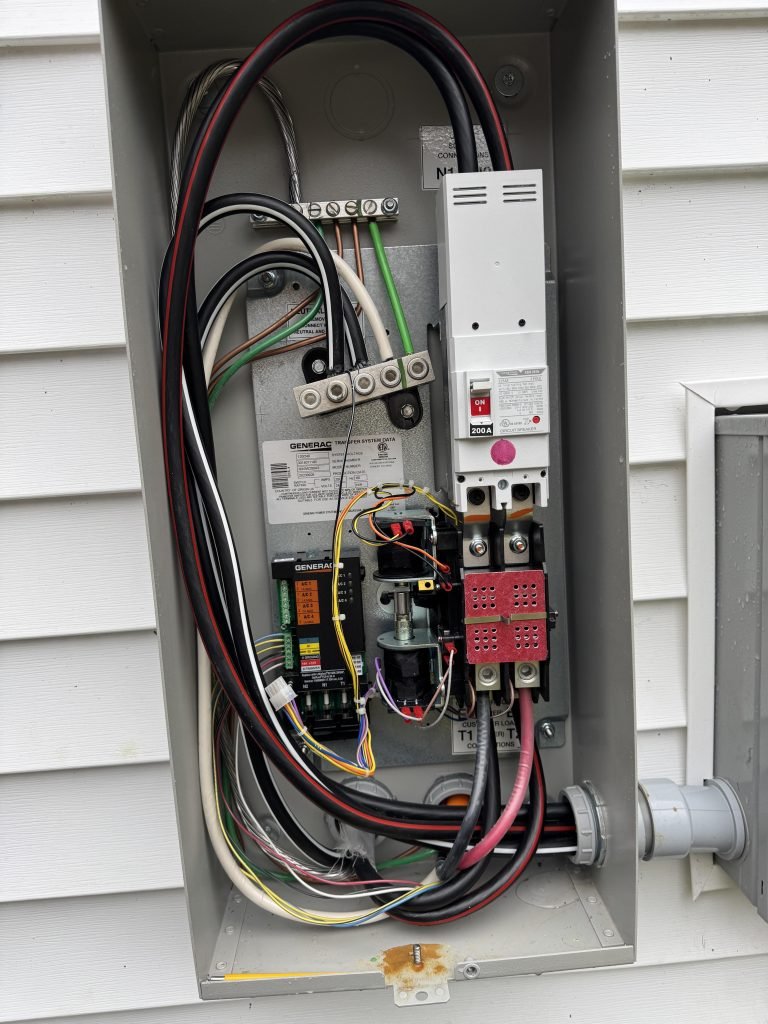
Connect the transfer switch wires to the electrical panel carefully. Turn off the main power before starting. Match wire colors exactly: black to black, white to white, and green or bare copper to ground. Tighten all screws firmly.
Check all connections twice to avoid loose wires. Loose wires cause sparks or power loss. Secure wires with cable ties or clamps. Cover exposed wires with electrical tape. Test the system by turning on the generator and transfer switch.
Connecting The Generator To The Switch
Use heavy-duty cablesmade for generators. These cables must handle high power safely. Check cable length; too long can cause power loss.
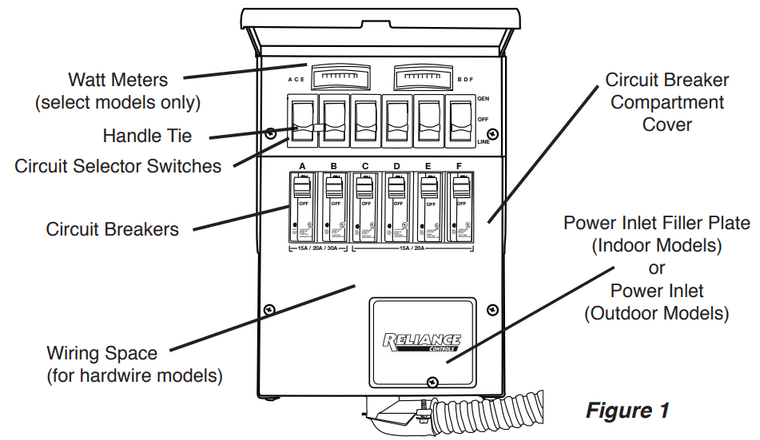
Match cable plugs with the transfer switch sockets. Use a correct plug typeto avoid damage. Insert the plug firmly for a secure connection.
Double-check all connections before turning on the generator. Ensure cables are not loose or damaged. Confirm the transfer switch is set to generator mode. Test power flow carefully to avoid any hazards.
Credit: revopower.us
Testing The Setup
Start the generator outside in a well-ventilated area. Check fuel and oil levels before turning it on. Listen for a steady engine sound. Let it warm up for a few minutes.
Switch the transfer switch from utility power to generator power carefully. This change moves electricity supply to the generator. Make sure all main appliances are off before switching.
Watch the generator for any unusual sounds or smells. Check for vibrations or leaks around the engine. Keep an eye on voltage and frequency meters to ensure stable output. Stop the generator if anything seems wrong.
Maintaining Your System
Regular checks help keep your generator and transfer switch safe. Look for loose wires, corrosion, and damage. Make sure all parts are tight and clean. Check the switch operationto avoid surprises during power loss.
Clean the system regularly to remove dust and dirt. Use a dry cloth or a soft brush. Avoid water near electrical parts. Service the generator and switch on schedule. Replace worn parts to keep them working well.
Troubleshoot by watching for common issues like no power transferor strange noises. Check the fuel and battery levels. Test the switch and generator separately to find the problem. Always read the manual for specific tips.
Credit: www.electriciantalk.com
Frequently Asked Questions
What Is A Transfer Switch For A Generator?
A transfer switch safely connects your generator to your home’s electrical system. It prevents backfeeding, protecting utility workers and equipment. It allows smooth power switching during outages.
How Do I Connect A Generator To A Transfer Switch?
Turn off the main breaker and generator first. Connect the generator’s power cord to the transfer switch inlet. Follow the manufacturer’s wiring instructions carefully for safety and compliance.
Can I Install A Transfer Switch Myself?
DIY installation is possible but not recommended. Electrical knowledge and permits are often required. Hiring a licensed electrician ensures safe, code-compliant installation and avoids hazards.
Why Is A Transfer Switch Needed For Generator Use?
It isolates generator power from the grid, preventing dangerous backfeed. It enables safe and legal generator operation during power outages. It also simplifies power management at home.
Conclusion
Connecting a generator to a transfer switch is safer and smarter. Always follow the steps carefully to avoid risks. Check all connections and test the setup before use. This process helps keep your home powered during outages. Remember to turn off the main power before starting.
Use the right tools and read the manual. Taking these simple steps gives you peace of mind. Stay prepared and protect your electrical system. It’s easier than you think to keep your power steady.