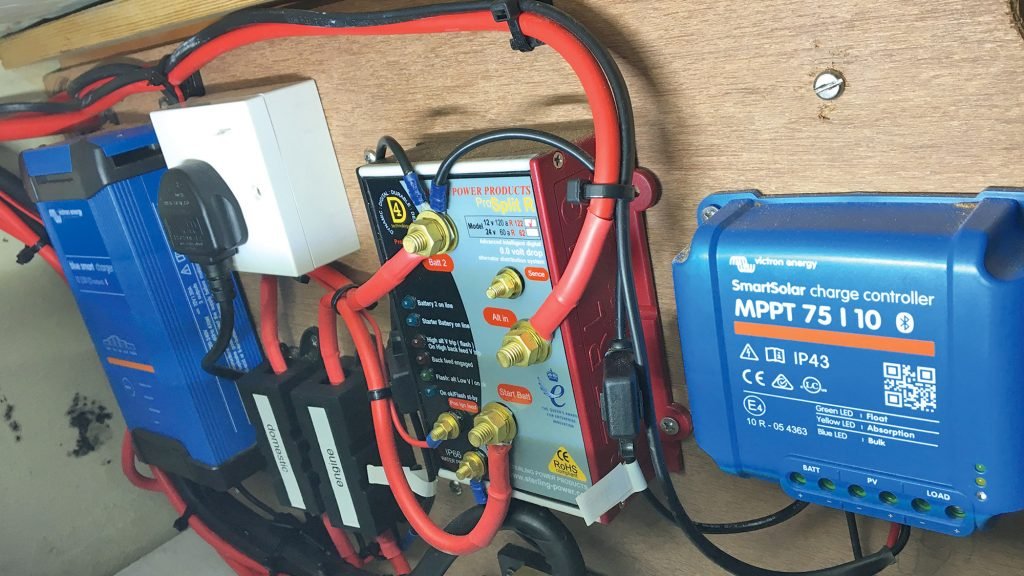
Imagine being out at sea, with a reliable marine diesel generator powering your voyage. Yet, without a proper connection to your batteries, that reliability hangs in the balance.
Understanding how to connect your marine diesel generator to your batteries is not just a skill; it’s a necessity for ensuring your vessel’s uninterrupted power supply. You want peace of mind, knowing that your boat’s electrical systems are secure and efficient.
In this guide, you’ll discover the essential steps to make this connection seamless and safe. We’ll simplify the technical details, so whether you’re a seasoned sailor or a boating enthusiast, you can easily follow along. Get ready to take control of your marine power system, enhancing both your safety and enjoyment on the water. Let’s dive into the details, ensuring your next adventure is powered by confidence and expertise.
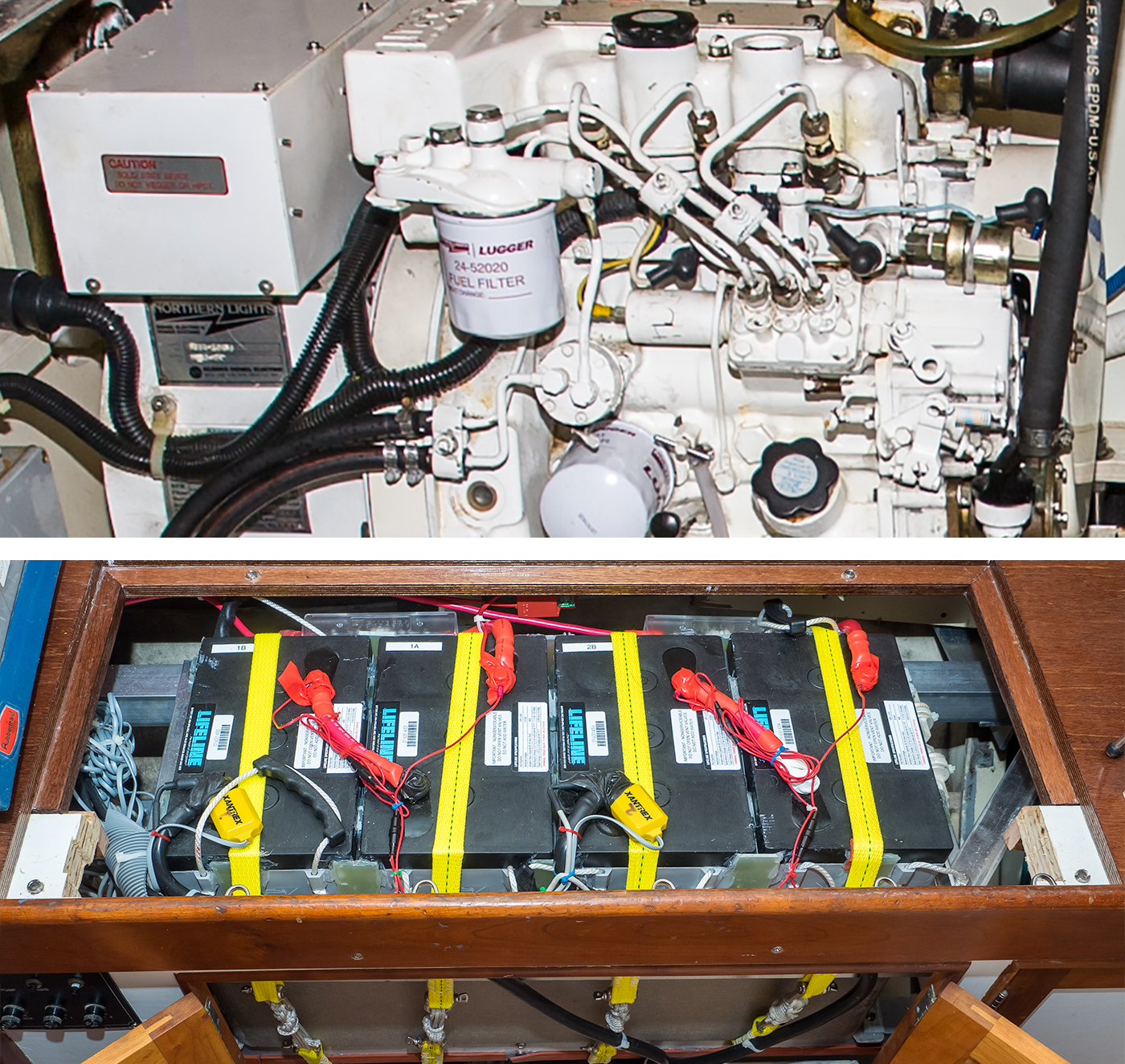
Credit: www.morganscloud.com
Choosing The Right Batteries
Choosing the right batteries is keyfor your marine diesel generator setup. Different types of marine batteriesoffer various benefits. Common types include:
- Lead-acid batteries: Affordable and reliable, but heavier.
- AGM batteries: Maintenance-free and spill-proof, good for rough waters.
- Lithium-ion batteries: Lightweight, long-lasting, but more expensive.
Battery capacityand voltagemust match your generator’s power needs. Capacity is measured in amp-hours (Ah), showing how long the battery lasts. Voltage should align with your system, usually 12V or 24V. Using the wrong voltage can harm equipment.
Battery maintenance keeps your system running well. Some tips:
- Keep batteries clean and dry.
- Check connections for corrosion often.
- Charge batteries fully and regularly.
- Avoid deep discharges to extend life.

Credit: www.morganscloud.com
Preparing The Generator
Start by checking the generator’s power outputand voltage. Match these with the battery’s specifications. This ensures safe and efficient operation. Confirm the generator can handle the battery bank size and type.
Follow strict safety rules. Always wear protective gearlike gloves and goggles. Work in a dry, well-ventilated area. Disconnect the generator from any power source before beginning.
- Multimeterfor voltage and current checks
- Wrenches and screwdriversfor connections
- Battery cablessuitable for marine use
- Wire strippersand crimping tools
- Insulation tapeand cable ties
Wiring Basics
Battery cablescarry high current to power the generator. They must be thick and strongto handle the load safely. Use cables made for marine use to resist water and corrosion. Connections should be tight and cleanto avoid sparks or heat buildup. Always check cable insulation for damage before use.
Choosing the right wire gaugeis key. Thicker wires carry more current without overheating. Use a wiring chartto pick the correct size based on the cable length and current load. Using a wire that is too thin can cause power loss and fire risks.
| Wire Gauge (AWG) | Max Current (Amps) | Typical Use |
|---|---|---|
| 4 AWG | 85 | Short runs, moderate load |
| 2 AWG | 115 | Longer runs, higher load |
| 1/0 AWG | 150 | High load, long distance |
Fuses and circuit breakersprotect wires and devices from damage. Place a fuse close to the battery terminal. It should match the wire’s current rating. This stops excessive current from causing short circuitsor fires. Use marine-grade fuse holders and breakers for safety.
Connecting The Generator To Batteries
Find the positive and negative terminals on the battery first. The generator will have matching connection points. The battery terminals are usually marked with “+”and “-”. The generator may have a terminal block or cables ready for connection.
Use thick, marine-grade wires for the connection. Connect the positive terminal of the battery to the generator’s positive output. Connect the negative terminal similarly. Keep wires short to reduce voltage loss.
Make sure all connections are tight and secure. Loose connections can cause sparks or power loss. Use wire crimps or terminal lugs to attach wires firmly.
Cover every connection with insulating tape or heat shrink tubing. This protects against water and corrosion. Check all connections before starting the generator.
Testing The Setup
Before powering the system, check all connections are tight and secure. Loose wires can cause power lossor damage. Make sure the battery terminals are clean and free of corrosion.
Use a multimeter to measure the voltageacross the battery terminals. It should match the battery’s rated voltage, typically 12V or 24V. Next, measure the currentflowing from the generator to the batteries. This ensures the generator is charging correctly and not overloading the batteries.
| Common Issue | Possible Cause | Quick Fix |
|---|---|---|
| Battery not charging | Loose connection or blown fuse | Check wires and replace fuse |
| Low voltage output | Faulty generator or battery | Test generator and replace battery if needed |
| Excessive heat | Overloading or poor ventilation | Reduce load and improve airflow |
Optimizing Performance
Regular checks keep your marine diesel generator and batteries in good shape. Look for loose wires, corrosion, and dirt on terminals. Check electrolyte levels in lead-acid batteries. Clean battery terminals with a mixture of baking soda and water. Tighten any loose connections to avoid power loss.
Use the right charger for your battery type. Avoid overcharging; it can damage batteries. Charge batteries slowly when possible to improve efficiency. Turn off all loads before charging. Monitor voltage and current during charging to stay safe.
To extend battery life, keep batteries cool and dry. Avoid deep discharges; recharge batteries before they get too low. Store batteries fully charged if not used for a long time. Rotate batteries if you have more than one to balance use.
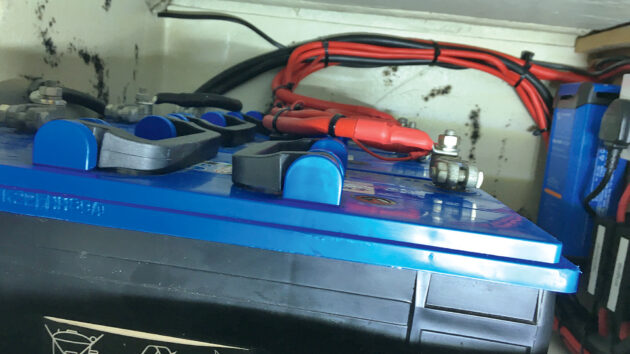
Credit: www.pbo.co.uk
Frequently Asked Questions
How Do I Connect A Marine Diesel Generator To Batteries?
To connect a marine diesel generator to batteries, link the generator’s output to a battery charger. Use proper cables and a charge controller to regulate voltage and protect batteries from overcharging.
What Type Of Batteries Work Best With Marine Generators?
Deep cycle marine batteries are best for marine generators. They provide steady power over long periods and handle frequent charging cycles effectively.
Can I Connect Multiple Batteries To One Marine Generator?
Yes, you can connect multiple batteries in series or parallel. This increases voltage or capacity, but ensure proper wiring and a suitable charger to avoid damage.
Why Is A Battery Charger Important For Marine Generators?
A battery charger regulates voltage and current from the generator. It prevents battery overcharging and extends battery life, ensuring safe and efficient power transfer.
Conclusion
Connecting a marine diesel generator to batteries ensures steady power on board. Follow safety steps and use correct wiring to avoid issues. Regularly check connections for good performance. This setup helps keep your boat running smoothly and safely. Taking time to do it right saves trouble later.
Now, you can enjoy reliable energy while at sea.