Picture this: You’re out on a thrilling camping adventure or working hard on a project that needs uninterrupted fuel supply. Suddenly, your generator or outdoor equipment runs out of fuel.
Frustrating, right? Now, imagine having the power to seamlessly connect multiple fuel cans, ensuring a continuous flow without any interruptions. Intrigued? You should be. By mastering the art of connecting multiple fuel cans, you not only save time but also enhance efficiency and peace of mind.
Whether you’re a seasoned adventurer or just someone who loves being prepared, this guide is tailored just for you. Dive in to discover how you can make your fuel supply as limitless as your aspirations.
Choosing The Right Fuel Cans
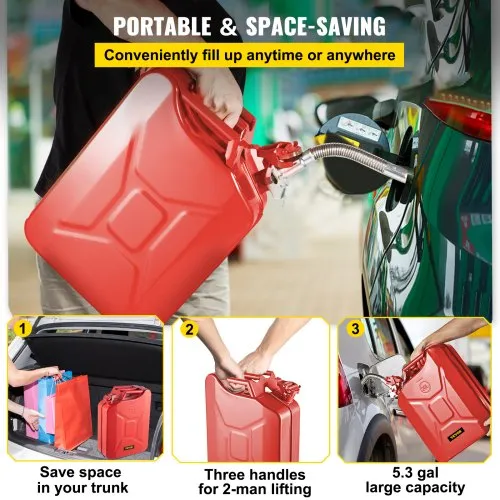
Fuel cans come in different materials. Common types include plasticand metal. Plastic cans are lightweight and rust-free but may wear out faster. Metal cans are more durableand can handle rough use. Choose a material that fits your needs and storage conditions.
The size and capacityof fuel cans matter. Small cans (1-2 gallons) are easy to carry but hold less fuel. Larger cans (5 gallons or more) reduce refill trips but are heavier. Think about how much fuel you need and how far you will carry it.
| Safety Certification | What It Means |
|---|---|
| UL (Underwriters Laboratories) | Tested for fire and leak safety |
| DOT (Department of Transportation) | Approved for transport on roads |
| EPA (Environmental Protection Agency) | Meets environmental standards |
Choose cans with proper safety certifications. This protects you and the environment. Always check labels before buying.
Credit: www.vevor.ca
Essential Tools And Accessories
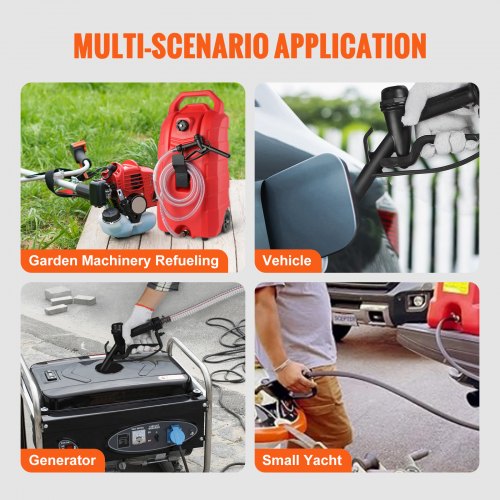
Fuel transfer pumpshelp move fuel quickly and safely between cans. They come in manual and electric types. Choose one that fits your fuel type and can size.
Hoses and connectorsmust be tight and leak-proof. Use flexible hoses made for fuel use. Connectors should match hose and can openings to avoid spills.
Safety gearis very important. Wear gloves and eye protection. Keep a fire extinguisher nearby. Work in a well-ventilated area to avoid fumes.
Preparing Fuel Cans For Connection
Start by cleaningeach fuel can thoroughly. Remove dirt, dust, and old fuel residue. Check for any cracksor damage that could cause leaks. Use a dry cloth to wipe all surfaces inside and outside. This prevents fuel contamination and ensures a safe connection.
Inspect the fuel can caps and seals carefully. Make sure the rubber sealsare not cracked or worn out. Good seals keep fuel from spilling and stop air from entering. Replace any damaged seals before connecting the cans.
- Use thread tapeor a fuel-safe sealant on the threads.
- Tighten caps firmly but avoid overtightening to prevent damage.
- Check for leaks by gently pressing the cans after sealing.
- Keep the connection points dry and clean for a better seal.

Credit: www.amazon.com
Step-by-step Connection Process
Arrange the fuel cans on a flat surface. Place them close but not touching. This helps keep the setup stable. Make sure the cans are clean and dry outside.
Use sturdy hoses made for fuel transfer. Attach each hose tightly to the can’s outlet. Use clamps to secure connections. This stops leaks and spills.
Test the setup before full use. Pour a small amount of fuel through the hoses. Check all joints carefully for drips or smells. Tighten clamps if needed.
Safe Fuel Transfer Practices
Good ventilationis key to prevent harmful fumes from building up. Always transfer fuel in open or well-ventilated areas. Avoid closed spaces like garages or basements. This lowers the risk of fire or explosion.
Static electricity can cause sparks during fuel transfer. To avoid this, keep fuel cans on the groundwhile filling. Use a metal funnelconnected to the can to reduce static. Do not wear clothes that create static, like wool or nylon.
Watch the fuel level closely to prevent spills. Stop filling before the can is full to allow space for fuel expansion. Use proper containersmarked for fuel storage. Check for leaks or damage before starting the transfer.
Common Mistakes To Avoid
Overfilling fuel canscan cause dangerous spills and leaks. Leave some space inside the can to allow fuel to expand. Always use a funnel or spout to reduce spills when pouring fuel. Clean up any spilled fuel immediately to avoid accidents.
Using incompatible equipmentcan lead to fuel leaks and damage. Use only fuel cans and connectors designed for the same type of fuel. Avoid mixing parts from different brands or materials that don’t fit well.
- Wear glovesand eye protection to stay safe.
- Keep fuel cans away from flames or sparks.
- Store fuel cans in a well-ventilated area.
- Never smoke near fuel cans.
Ignoring safety precautions can cause fires or health risks. Always follow the instructions on fuel can labels. Handle fuel with care to protect yourself and others.
Maintaining And Storing Fuel Cans
Cleaning fuel cans after each use helps keep them safe and lasts longer. Empty the cans fully and wipe the inside with a clean cloth. Use warm water and mild soap if needed. Let them dry completely before storing to avoid rust and contamination.
Store fuel cans in a cool, dry place away from direct sunlight. Keep them on a flat surface to prevent tipping. Make sure the caps are tightly closed to stop leaks and spills. Avoid places near heat sources or flames for safety.
| Inspection Point | What to Check |
|---|---|
| Exterior | Look for cracks, dents, or rust |
| Cap and Seal | Ensure tight fit and no damage |
| Spout | Check for blockages or leaks |
Regular inspection helps catch problems early. Replace cans that show damage or leaks. Safe fuel storage protects people and property.
Credit: www.petroind.com
Frequently Asked Questions
How Do I Safely Connect Multiple Fuel Cans?
Use approved connectors and fuel-safe hoses. Ensure all cans are sealed tightly and placed on a stable surface. Avoid spills and keep away from open flames. Ventilate the area to prevent fumes buildup. Follow local safety regulations for fuel handling.
What Tools Are Needed To Link Fuel Cans Together?
You need fuel-safe hoses, connectors, and clamps designed for fuel transfer. A funnel and gloves also help. These tools ensure secure, leak-proof connections. Using proper equipment prevents spills and accidents. Always check compatibility with your fuel can types.
Can I Connect Different Types Of Fuel Cans?
It’s best to connect cans of the same material and fuel type. Mixing different materials may cause leaks or contamination. Always verify compatibility to maintain fuel purity and safety. If unsure, consult the can manufacturer or a professional.
How Do I Prevent Fuel Leaks When Joining Cans?
Use tight-fitting connectors and inspect seals before connecting. Replace damaged gaskets or hoses promptly. Secure connections with clamps to avoid leaks. Regularly check for wear or cracks. Proper maintenance ensures safe fuel transfer and storage.
Conclusion
Connecting multiple fuel cans can save time and effort during refueling. Always check that the cans are clean and sealed tightly. Use proper tools to join the cans safely and avoid spills. Keep the setup stable to prevent accidents. Regularly inspect connections for leaks or damage.
Following these simple steps helps you handle fuel cans with confidence. Stay safe and efficient while managing your fuel needs.