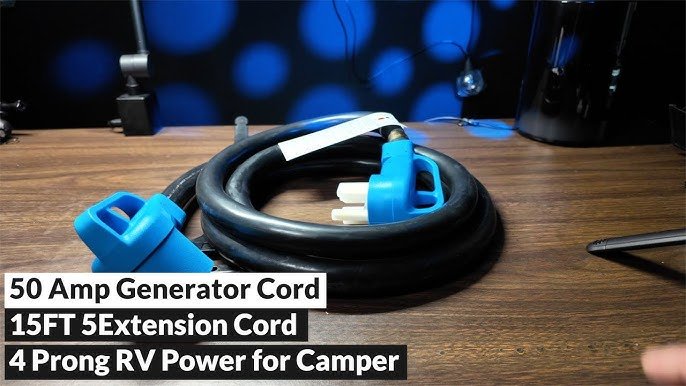
If you’ve ever found yourself in a situation where you need to power multiple appliances or tools with a generator, you know the challenge of managing extension cords. Connecting multiple generator extension cords can seem daunting, but it doesn’t have to be.
Imagine the relief of having everything running smoothly without a hitch. This guide will show you how to safely and effectively connect your extension cords, ensuring that you can power all your essentials without any hassle. By the end, you’ll have the confidence to set up your generator like a pro, avoiding common pitfalls and making the most of your power supply.
Let’s dive into the simple steps that will make your setup a breeze.
Choosing The Right Extension Cords
Gaugemeasures the thickness of extension cords. Lower gauge means thicker wire and better power flow. For generators, use cords with a gauge of 12 or lower to avoid power loss.
Length matters because longer cords lose more power. Choose the shortest cord that fits your needs to keep power strong and safe.
- Outdoor rated cordshave special insulation to protect against weather and rough use.
- These cords often have a “W” markingshowing they are safe for outside use.
Check the generator’s output in watts. Match the cord’s power rating to avoid overheating or damage.
| Generator Output (Watts) | Recommended Cord Gauge | Max Length (Feet) |
|---|---|---|
| Up to 3000 | 12 | 100 |
| 3000 – 6000 | 10 | 100 |
| 6000 and above | 8 | 100 |

Credit: erayakpower.com
Preparing Your Generator And Cords
Check all extension cordsfor any cracks, cuts, or exposed wires. Use cords with no damageonly. Damaged cords can cause electric shocksor fires.
Make sure the generator is turned offbefore connecting any cords. This prevents accidentsand protects your equipment.
- Place cords where no one can trip on them.
- Keep cords away from water and wet areas.
- Avoid running cords under rugs or carpets.
- Use cord covers for added safety if needed.
Connecting Multiple Extension Cords
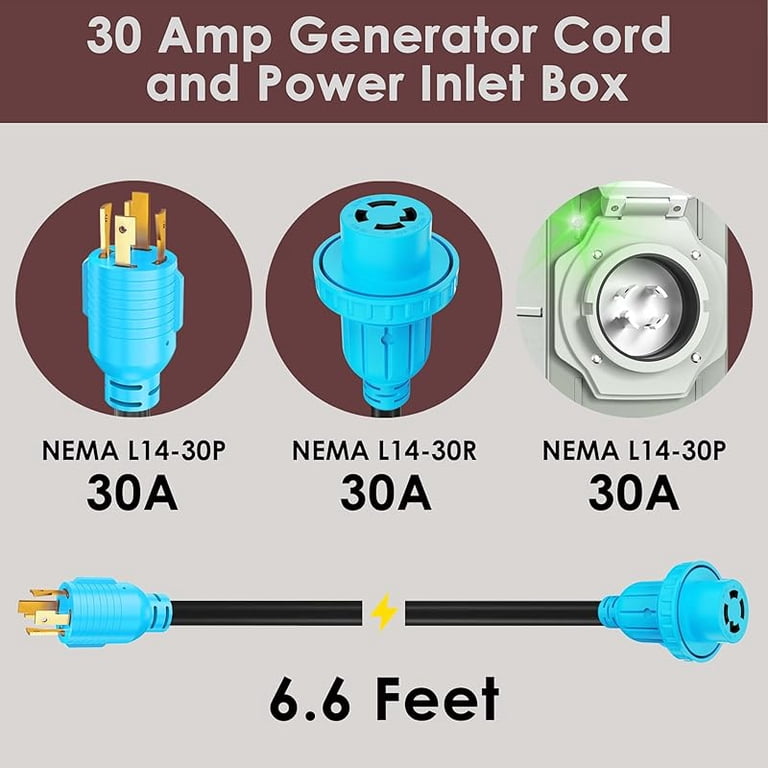
Choose connectorsthat fit your extension cords well. Use only connectors made for outdooror heavy-dutycords. Avoid using cheap or damaged connectors that can cause electric shocksor fire risks.
Never plug too many cords into one outlet. Check the power ratingon each cord and the generator. Make sure the total load does not exceed the maximum capacity. Overloading circuits can cause power failureor damage.
- Keep connections dryand away from water.
- Secure cords with tapeor cord tiesto avoid tripping.
- Inspect connections regularly for wearor looseness.
- Use cable protectorsif cords cross walkways.

Credit: www.ebay.com
Safety Tips For Extension Cord Use
Keep extension cords away from water. Wet cords can cause electric shocks or short circuits. Use cords designed for outdoor use if needed. Place cords on dry surfaces only.
Prevent tripping accidentsby organizing cords properly. Use cord covers or tape to secure cords across walkways. Avoid running cords where people walk frequently.
Check cords often for heat buildup. Warm cords might mean overload or damage. Unplug cords and let them cool if they feel hot. Replace cords with visible damage immediately.
Troubleshooting Common Issues
Voltage dropcan cause lights to dim or tools to work poorly. This happens when cords are too long or thin. It means less power reaches the device.
Loose connectionsmay cause flickering or no power at all. Check plugs and sockets for tight fit. Wiggling cords can help find loose spots.
Cord damageshows as cuts, frays, or melted spots. Using damaged cords is unsafe and can cause shocks or fires. Always inspect cords before use.
| Issue | Signs | Action |
|---|---|---|
| Voltage Drop | Dim lights, slow tools | Use shorter or thicker cords |
| Loose Connections | Flickering, no power | Tighten plugs, check sockets |
| Cord Damage | Cuts, frays, melted spots | Replace damaged cords |
Maintenance And Storage
Keeping extension cords clean is key for safe use. Use a damp cloth to wipe dirt and dust. Avoid harsh chemicals that can damage insulation. Check for cuts or cracks after cleaning.
Coil extension cords loosely. Tight coils can damage wires inside. Use wide loops, about the size of your arm. Avoid sharp bends or kinks. This helps cords last longer and stay safe.
Store cords in dry, cool places. Moisture can cause rust and electrical problems. Avoid direct sunlight to prevent cracking. Use hooks or shelves to keep cords off the ground. Proper storage keeps cords ready for next use.
Credit: www.walmart.com
Frequently Asked Questions
Can I Safely Connect Multiple Generator Extension Cords?
Yes, you can safely connect multiple generator extension cords. Use cords rated for outdoor use and matching amperage. Avoid overloading cords and keep connections dry to prevent hazards.
How Many Extension Cords Can I Chain Together?
Limit chaining to two or three extension cords. More than that risks voltage drop and overheating. Always check the total length and load capacity.
What Gauge Extension Cord Is Best For Generators?
Use 10 or 12-gauge extension cords for generators. Lower gauge cords handle higher amperage safely. Choose cords rated for outdoor use and heavy-duty applications.
How To Prevent Power Loss With Multiple Cords?
Use heavy-duty, short, and thick gauge cords to minimize power loss. Avoid long chains of thin cords. Secure all connections tightly to prevent voltage drops.
Conclusion
Connecting multiple generator extension cords needs care and attention. Always check the cords’ ratings before linking them. Use cords designed for outdoor and heavy-duty use. Keep connections dry and secure to avoid risks. Avoid overloading the cords or the generator itself.
Proper setup ensures safe and steady power flow. This way, your devices run smoothly without damage. Stay safe, follow guidelines, and enjoy reliable power anytime.