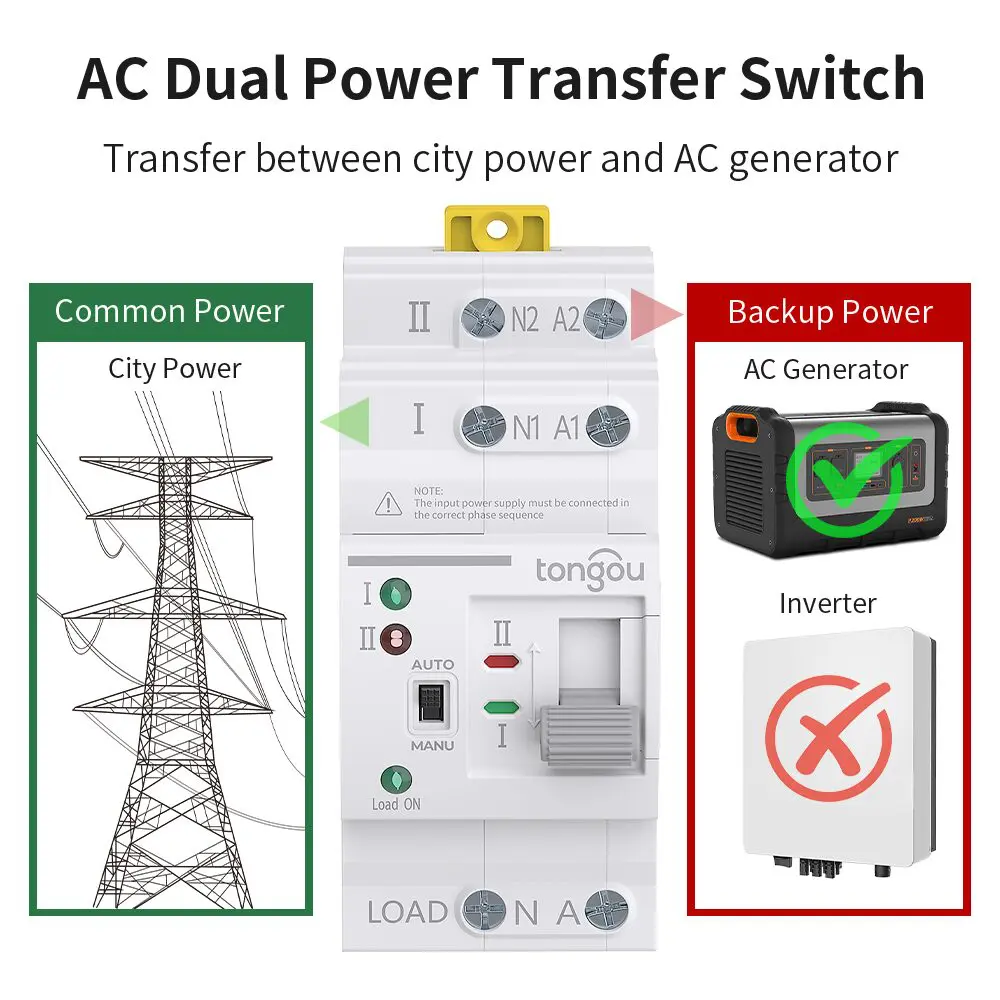
Imagine a world where your power never falters, even during unexpected outages. Connecting multiple generators to an Automatic Transfer Switch (ATS) can make this a reality for you.
This setup ensures a seamless transition of power, keeping your home or business running smoothly when the grid fails. But how do you actually connect multiple generators to an ATS? The process might seem complex, but with the right guidance, you can master it.
You’ll discover the step-by-step methods to effectively link multiple generators to an ATS, maximizing your power reliability. Dive in, and learn how you can safeguard your energy supply with confidence.

Credit: forumelectrical.com
Benefits Of Multiple Generators
Improved power reliabilitymeans fewer outages and less downtime. Multiple generators work together to keep power steady. If one stops, others still run. This setup helps homes and businesses stay powered in emergencies. It also offers load sharing advantages. Generators split the work evenly. This prevents any single unit from wearing out fast. Sharing the load also saves fuel and cuts engine strain.
Cost efficiency gainscome from using smaller generators instead of one big one. Smaller units cost less to buy and maintain. Running only the needed number of generators saves money on fuel. Over time, this setup reduces repair costs and extends generator life.
Credit: www.onesto-ep.com
Basics Of Automatic Transfer Switches
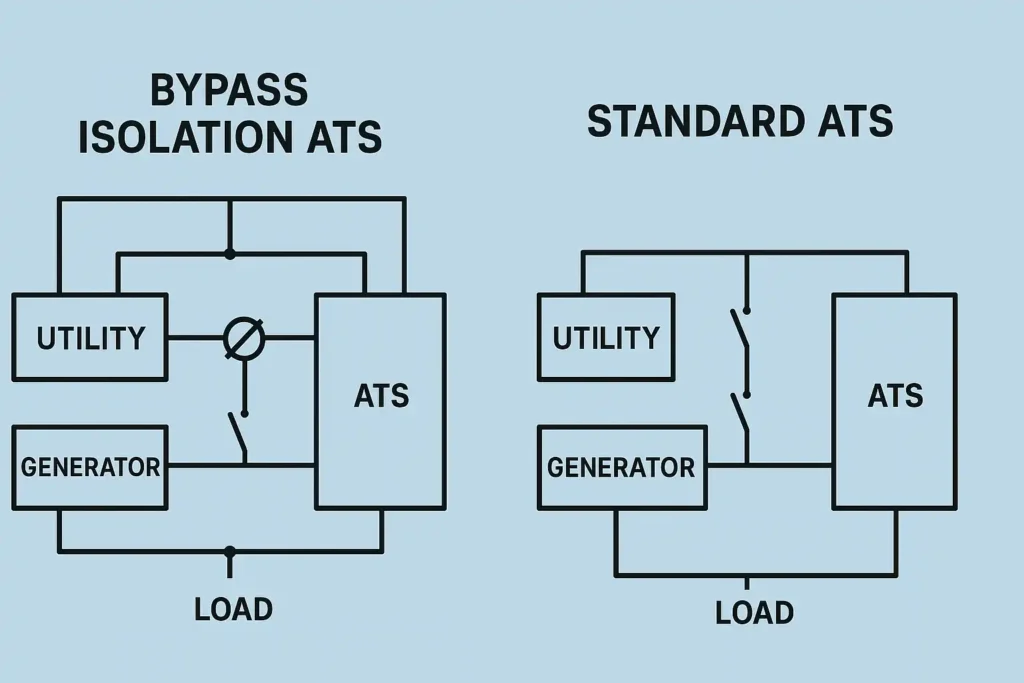
An Automatic Transfer Switch (ATS)moves power supply from the main source to a backup generator. This switch works without needing anyone to operate it. There are two common types:
- Open Transition:Breaks power from one source before connecting to another.
- Closed Transition:Transfers power without interruption.
Key parts inside an ATS include:
- Control Panel:Manages the switch operation.
- Contactors or Relays:Physically switch power sources.
- Power Sensors:Detect power status from sources.
Safety features help protect equipment and people. These features include:
- Overload Protection:Stops damage from too much current.
- Short Circuit Protection:Prevents dangerous sparks and fires.
- Lockout Mechanism:Avoids switching errors and accidents.
Choosing The Right Generators
Choose generatorsthat match your power needs. Check their capacityto avoid overloads.
Make sure the generators work well with the ATS. Compatibility is key for smooth operation.
Consider the fuel typeavailable in your area:
- Diesel
- Gasoline
- Natural gas
- Propane
Choose fuel that is easy to get and store. This helps keep your generators running.
Regular maintenanceis important. Clean and check parts often to avoid breakdowns.
Plan maintenance schedules to keep all generators ready to work together.
Wiring Multiple Generators To Ats
Connecting multiple generators to an ATS needs careful planning. A parallel connection setupallows generators to work together and share load. Each generator’s output is connected to the ATS input terminals. The ATS switches power between the main supply and the generators automatically.
Synchronizationis key. Generators must match voltage, frequency, and phase before connection. This avoids damage and ensures smooth power transfer. Use a synchronization panel or controller to monitor these factors.
| Component | Description |
|---|---|
| Generators | Provide power; connected in parallel to share load |
| ATS (Automatic Transfer Switch) | Switches power source between grid and generators |
| Synchronization Panel | Ensures generators match before connection |
| Connection Wiring | Cables linking generators to ATS inputs |
Control And Monitoring Systems
Remote monitoringlets you check generator status from anywhere. It uses sensors to track power output, fuel levels, and engine health. Alerts notify you if a problem arises, helping to fix issues fast. This reduces downtime and keeps power stable.
Load managementbalances power from multiple generators. It stops overloading and shares power evenly. This improves efficiency and saves fuel. Automatic transfer switches (ATS) help switch loads smoothly between generators.
| Fault Detection | Alert Type | Action |
|---|---|---|
| Overload | Warning signal | Reduce load or start backup |
| Low fuel | Notification | Refuel generator |
| Engine fault | Alarm | Inspect or repair engine |
Safety Protocols And Compliance
Electrical codesset the rules for safe generator connections. Follow localand national standardslike the NEC (National Electrical Code). This ensures wiring is done safely to prevent shocks and fires. Use proper wire sizesand disconnectsas per code.
Grounding and bondingare vital to avoid electric shocks and equipment damage. Ground generators to a common ground point using a grounding rod or system. Bond all metal parts to prevent stray currents. This creates a safe path for electricity to flow in case of faults.
Emergency shutdown proceduresmust be clear and easy to follow. Install emergency stop switchesnear generator units and the ATS panel. Train personnel to use these switches quickly during faults or accidents. Regularly test shutdown systems to ensure they work properly.
Troubleshooting Common Issues
Generator failure signsinclude unusual noises, low oil pressure, and frequent shutdowns. Smoke color changes or engine overheating also warn of trouble. Check fuel levels and battery health to avoid sudden stops.
ATS malfunction symptomsshow as delayed switching, failure to transfer power, or erratic behavior. Lights flickering or no response during power loss suggests ATS issues. Ensure all connections are tight and controls are set properly.
Resolving synchronization problemsneeds careful timing and matching of voltage and frequency between generators. Use a synchronizer device to align the phases. Check cables and settings to prevent load imbalances and system trips.
Credit: www.yroenergy.com
Maintenance Tips For Longevity
Regular checks help keep the ATS and generators working well. Look for loose connections, damaged wires, and corrosion. Test the transfer switchto ensure it switches power smoothly. Check the fuel levelsand battery conditiontoo.
Clean the ATS and generators often. Remove dirt, dust, and oil build-up. Use proper lubricants on moving parts to reduce wear and tear. Keep cooling fans and vents clear for good airflow.
Keep software and firmware updated. Updates fix bugs and improve performance. Check the manufacturer’s website for the latest versions. Install updates carefully to avoid system errors.
Frequently Asked Questions
How Do I Connect Multiple Generators To Ats?
To connect multiple generators to an ATS, use a manual or automatic transfer switch designed for multiple inputs. Ensure proper wiring, load balancing, and compliance with electrical codes. Consult a professional for safe and efficient installation.
Can Multiple Generators Share One Ats?
Yes, multiple generators can share one ATS if it supports multiple inputs. This setup requires a generator paralleling switch or a switchgear system to manage power sources effectively.
What Safety Precautions Are Needed For Multiple Generators?
Always turn off generators before connecting them to the ATS. Use proper grounding, circuit breakers, and avoid backfeeding. Follow manufacturer guidelines and local electrical codes to ensure safe operation.
Does Ats Handle Load Management For Multiple Generators?
ATS primarily switches power sources but does not manage load distribution. Load management requires additional equipment like load banks or parallel control systems for balanced power sharing.
Conclusion
Connecting multiple generators to an ATS needs careful planning and safety. Always check the power ratings and wiring rules first. Use proper switches to avoid overload and damage. Test the system after setup to ensure smooth operation. Regular maintenance keeps the generators and ATS working well.
Following these steps helps keep your power backup reliable and safe. Stay cautious and consult a professional if unsure. This way, your power system will serve you without trouble.