Are you ready to supercharge your solar setup and unlock even more power for your home or outdoor adventures? Connecting multiple solar generators together can be a game-changer, allowing you to harness more energy and ensure a reliable power source for all your needs.
Imagine the freedom of knowing your lights, appliances, or gadgets will run smoothly, even when you’re miles away from the nearest electrical outlet. By following a few simple steps, you can transform your existing solar equipment into a powerhouse network that maximizes efficiency and output.
Curious about how to make this happen? Read on to discover the secrets of linking your solar generators for optimal performance and endless energy possibilities.
Benefits Of Connecting Solar Generators
Solar generators give clean energy. Connecting them together has benefits. Power grows with more generators linked. This means more energy for your home or gadgets. Backup power is stronger with multiple generators. Power outages won’t be a worry.
Generators that work together last longer. They share the load, reducing stress on each unit. This means fewer repairs and replacements. It’s good for the wallet and environment. Connecting generators can be simple. Some models have easy plug-in options. Check manuals for instructions.
Multiple generators make energy use flexible. Use power where you need it most. Move energy between appliances or rooms. This flexibility helps during cloudy days. Solar power keeps homes bright and devices charged. Connect wisely and enjoy endless power.

Credit: shopsolarkits.com
Required Equipment
Cables are like special wires. They help electricity travel. You need thick cables for solar generators. Thick cables carry more power. Connectorsjoin cables to generators. They snap together easily. Make sure they are tight. Loose connectors won’t work well.
Power inverters change solar power to usable power. Solar panels give DC power. Homes use AC power. Inverters do this conversion. Pick inverters that match your generator. Right inverterskeep everything working smoothly. Without them, gadgets won’t run.
Batteries store extra power. Use it later when needed. Choose batteries that fit your generators. Bigger batteries store more power. Safetyis important with batteries. Keep them away from water. They last longer this way.
Safety Precautions
Always wear gloveswhen dealing with electrical components. Gloves keep you safe. Ensure your hands are dry too. Wet hands can cause shocks. Use insulated tools for extra safety. Insulated tools prevent electric shocks. Avoid touching wires directly. Handle wires with care. Ensure all connections are tight. Loose connections can be dangerous. Keep kids away from electrical parts. Safety is very important.
Preparation Steps
Begin by assessing the power needs to determine the total wattage required. Choose compatible solar generators with matching voltage and wattage. Use parallel or series connections to link them safely, ensuring all cables and connectors are suitable for the setup.
Assessing Power Needs
First, calculate how much power you need. Check all devices you want to use. Add up their power needs. Look at your solar generators. Do they give enough power? Add more generators if needed. Make sure you have the right cables. Cables must handle the total power load. This keeps everything safe.
Choosing Suitable Locations
Pick a spot for your solar generators. Find a sunny place. More sun means more power. Keep generators close to each other. This helps with easy connection. Avoid wet areas. Water can damage the generators. Make sure there’s space for air. Good airflow keeps generators cool. A cool generator works better.
Connection Methods
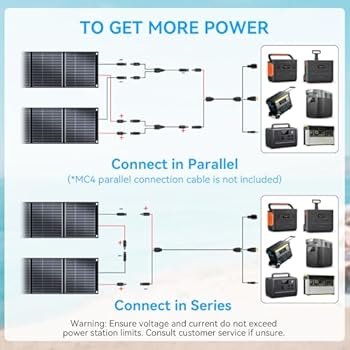
Connecting solar generators in parallel boosts power. Use cables to connect each generator’s positive terminal to the next. Do the same with negative terminals. This keeps voltage the same but increases current. It’s like adding water to a stream, making it stronger. Make sure all generators have the same voltage rating. This ensures a smooth power flow. Proper connections prevent overheating. Always use quality cables for safety.
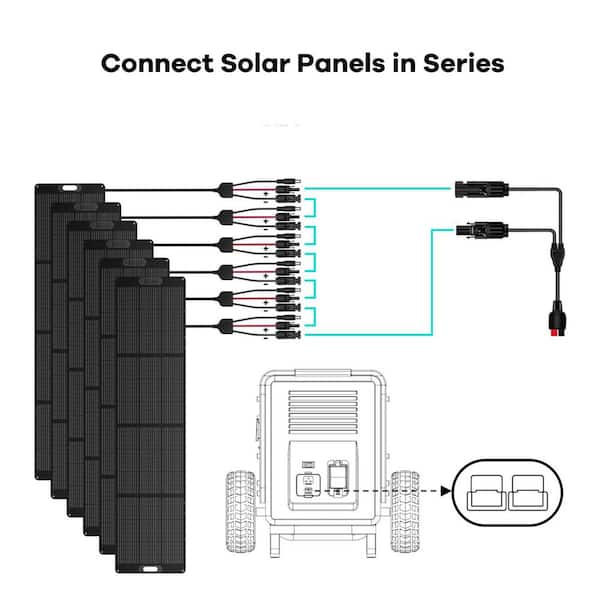
Series connection increases voltage. Connect the positive terminal of one generator to the negative of the next. Repeat until all are linked. It’s like stacking batteries in a flashlight. The voltage adds up, but current stays the same. Ensure each generator has the same current rating. This prevents damage and ensures efficiency. Check connections for tightness. Loose connections can cause problems.
Testing And Troubleshooting
Connecting multiple solar generators enhances power capacity and reliability. Ensure compatibility by checking voltage and wattage. Use a suitable parallel or series connection method for optimal performance.
Checking For Proper Functionality
First, power on each solar generator. Observe if they start correctly. Listen for unusual noises. Look at the display for errors. Each unit should show normal operation. Check the connections between generators. Ensure all cables are tight and secure. Verify the energy flow between units. Use a multimeter to measure voltage. Confirm that readings are within the expected range. A stable connection means generators are working well.
Identifying Common Issues
Sometimes, generators don’t connect properly. Loose cables often cause this issue. Inspect each connection carefully. Look for damaged wires. Replace any faulty cables immediately. Another problem is fluctuating power. This can happen with poor connections. Check if any cables are worn out. Make sure all units are on the same frequency. If power drops, recheck the setup. Look at the system to find the cause.
Maintenance Tips
Connecting multiple solar generators increases power capacity efficiently. Use compatible cables and connectors for safe integration. Ensure all generators have similar voltage ratings to prevent damage.
Regular Inspection
Inspect solar generators often for damage. Look for loose cables and broken parts. Check the connections regularly. Ensure they are tight and secure. Keep generators clean. Dust can block sunlight. Use a soft cloth to wipe off dirt.
Battery Care
Battery health is crucial. Charge batteries fully before use. Do not overcharge or discharge them completely. Store batteries in a dry place. Avoid extreme temperatures. Check battery voltage regularly. Replace old batteries to maintain performance. Proper care extends battery life.

Credit: www.jackery.com
Credit: www.homedepot.com
Frequently Asked Questions
Can You Connect Two Solar Generators Together?
Yes, you can connect two solar generators together. Use parallel or series connections for increased power capacity. Ensure compatibility of voltage and capacity. Follow the manufacturer’s guidelines to prevent damage.
Can You Daisy Chain Power Stations?
Daisy chaining power stations is generally not recommended due to safety risks and potential damage. Most power stations are designed for standalone use. Connecting them in series can overload circuits and create hazards. Always check the manufacturer’s guidelines and consult a professional for safe power management solutions.
What Is The Best Way To Connect Multiple Solar Panels Together?
Connect solar panels using series or parallel wiring for optimal performance. Series increases voltage, parallel boosts current. Ensure compatible voltage and current ratings. Use quality connectors and wiring to prevent energy loss. Consult a professional for precise installation and safety.
How To Connect Two Solar Inverters Together?
Connect two solar inverters using a parallel connection. Ensure both inverters are compatible and properly configured. Use a combiner box to join their outputs, maintaining correct voltage and phase alignment. Consult the manufacturer’s guidelines for specific instructions and safety precautions.
Conclusion
Connecting solar generators boosts energy efficiency. It’s a smart, eco-friendly choice. Follow safety measures. Ensure compatibility between devices. This setup can power bigger projects. Keep wiring neat and organized. Monitor output regularly for best results. Learn from guides and manuals to avoid mistakes.
Adjust connections as needed to optimize performance. This practice saves money and reduces environmental impact. Enjoy reliable power without relying on the grid. Adopt solar for a greener future. Share your experience with others. Encourage sustainable living through clean energy solutions.
Explore more ways to enhance your solar system.