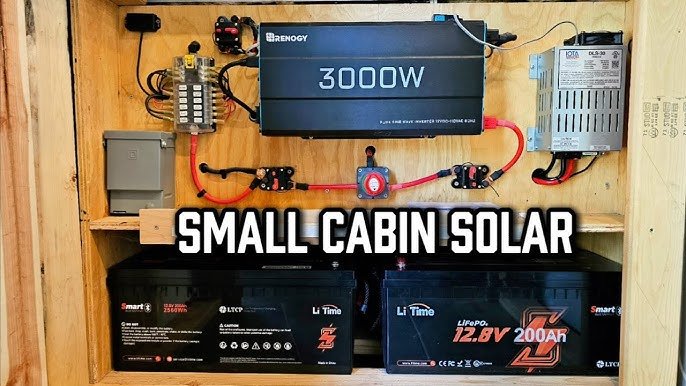
Are you looking to boost the efficiency of your solar generator? Connecting it to extra batteries could be the game-changer you’ve been searching for.
Imagine having a power backup that not only lasts longer but also supports your energy needs more reliably. This setup can provide peace of mind during those critical moments when you need energy the most. By understanding how to connect your solar generator to additional batteries, you can unlock a new level of energy independence.
Dive into this guide to discover the step-by-step process and tips that will empower you to make the most out of your solar investment. Don’t miss out on maximizing your power potential!

Credit: www.facebook.com
Materials And Tools Needed
To connect a solar generator to extra batteries, gather these items. First, you need a solar generatorand extra batteries. Next, grab connecting cablesto link them together. A wrench or screwdriverhelps with connections. Use a voltage meterto check battery levels. Don’t forget insulating tapefor safety.
Ensure cables are of the correct gauge. This prevents overheating. A battery boxkeeps batteries secure. Finally, get a charging controllerif needed. This device manages power flow. With all these materials, you’re ready to start. Be sure to keep your workspace organized.
Safety Precautions
Always wear protective gloveswhen handling batteries. Batteries can leak harmful chemicals. Use gogglesto protect your eyes from splashes. Ensure the area is well-ventilated. This helps avoid the buildup of harmful fumes. Keep metal objectsaway from battery terminals. Metals can cause dangerous short circuits. Ensure all connections are secureand tight. Loose connections can lead to sparks or fires.
Check that your batteries are compatible. Not all batteries work with all generators. Use a voltmeterto check the battery’s voltage. This ensures the batteries are working well. Keep a fire extinguishernearby. It provides safety in case of an emergency. Do not smoke or use open flames near the batteries. This can cause explosions or fires.
Read the generator’s manual carefully. It provides important safety tips. Always follow the instructions closely. This ensures a safe and secure setup.
Assessing Battery Compatibility
Check if the solar generator and batteries match. Both should have the same voltage rating. Look at the capacityof the batteries. It should fit with the generator. Use batteries with similar chemistry. For example, lithium or lead-acid. Check the maximum power outputof the generator. Make sure it can handle extra batteries.
Read the user manualsfor details. They have important information. Follow the instructions carefully. If unsure, ask an expert. They can help. Never mix different types of batteries. This can be dangerous.
Preparing The Solar Generator
Check the solar generator for any damage. Ensure all parts are in workingorder. Gather all necessary toolsand supplies. This includes cablesand connectors. Make sure the batteries are fully charged. Keep the generatorin a safe place. Clear the area of any obstacles. This ensures easy access during setup.
Double-check all connectionsand terminals. They must be clean and secure. Use a voltmeterto check voltagelevels. This helps in ensuring compatibility. Proper preparation leads to a smoothconnection process. Follow these steps to prepare your generator correctly.
Connecting Extra Batteries
Connecting a solar generator to extra batteries enhances energy storage capacity. Use proper cables and connectors to ensure efficient power transfer. Carefully follow the manual instructions to avoid overloading and ensure safe battery expansion.
Identifying Positive And Negative Terminals
Check each battery for the positive (+)and negative (-)signs. The positive terminal is often red. The negative terminal is usually black. Make sure to align all batteries in the same direction. This helps avoid any confusion during connection. Always handle with care to prevent any accidents.
Using Proper Cables And Connectors
Use cables that are thick and durablefor safe connections. Thin cables can cause overheating. Connect the positive terminals together with a red cable. Use a black cable to connect negative terminals. Ensure all connections are tight and secure. Loose connections can lead to power loss. Always check for any signs of wear or damage on cables.
Testing The Connection
Testing the Connection Ensure all connections are secure between the solar generator and extra batteries. Use appropriate cables and connectors. Check voltage compatibility to prevent any damage.
Checking Voltage Levels
Connect the voltmeter to the solar generator. Make sure the voltmeter works well. Measure the voltage from the solar generator. Check if voltage is correct. Compare it with the battery voltage. A mismatch means trouble. Adjust connections if needed.
Ensuring Stable Power Flow
Use a power meter to check flow. Look for steady power lines. No power spikes allowed. Watch the meter closely. Stable flow keeps devices safe. Adjust settings for balance. Double-check all connections. Secure wires tightly.
Maintaining Battery Health
Check battery levels frequently. Ensure all connections are secure. Look for any signs of wear or damage. This keeps your batteries safe. Regular checks prevent sudden failures. Use a battery monitor if possible. It helps track usage effectively. Healthy batteries perform better.
Charge batteries at the right time. Avoid overcharging to extend life. Use a smart charger for efficiency. It adjusts charging based on battery needs. Never let batteries drop too low. Keep them above 20% for best results. Proper charging keeps batteries strong.

Credit: www.facebook.com
Troubleshooting Common Issues
Connecting a solar generator to extra batteries can solve power needs effectively. Ensure proper cable connections to avoid errors. Always check battery compatibility and charge levels for seamless integration and performance.
Addressing Connection Failures
Ensure all wires are connected securely to the terminals. Check if the battery terminals are clean and free from corrosion. Corrosion can block the connection. Use a wire brush to clean them. Verify that the cables are not damaged. Damaged cables can lead to connection failures. Replace them if necessary. Check if the polarity is correct. Positive to positive, negative to negative. Incorrect polarity can cause issues.
Fixing Power Fluctuations
Power fluctuations can harm devices. Make sure the solar generator is fully charged. A low charge can cause fluctuations. Use a multimeter to check battery voltage. It should match the generator’s output. If not, charge the battery. Check for loose connections in cables. Tighten them if needed. Ensure the solar panel is getting enough sunlight. Shade can reduce power output. Adjust its position for better light exposure.

Credit: www.jackery.com
Frequently Asked Questions
Can You Add Batteries To A Solar Generator?
Yes, you can add batteries to a solar generator. Ensure compatibility with the generator’s specifications and capacity. Batteries boost storage, enhancing energy availability during cloudy days or nighttime. Choose lithium or lead-acid batteries for optimal performance. Consult the manufacturer’s guidelines for installation to prevent damage and ensure safety.
Can I Add A Second Battery To My Solar System?
Yes, you can add a second battery to your solar system. Ensure compatibility with your existing setup. Consult a professional for installation and optimal performance. A second battery can increase energy storage and system efficiency, supporting more power usage during non-sunny periods.
How To Hook Up Multiple Batteries For Solar?
Connect batteries in series for higher voltage or parallel for increased capacity. Use appropriate cables and connectors. Ensure batteries are compatible and balanced. Install a charge controller between solar panels and batteries. Regularly monitor and maintain the system for optimal performance.
Always follow safety guidelines during installation.
How Long Will A 1000 Watt Solar Generator Run A Refrigerator?
A 1000 watt solar generator can run a refrigerator for approximately 10-20 hours. This depends on the refrigerator’s power consumption, typically ranging from 100 to 800 watts. Ensure efficient energy management for longer runtime. Consider factors like refrigerator size, age, and usage patterns for accurate estimates.
Conclusion
Connecting a solar generator to extra batteries boosts energy storage. More power for your home or adventures. This setup offers reliable backup during power outages. You can enjoy longer usage time. It reduces dependency on grid electricity. Safe connections are crucial for effective performance.
Use proper cables and connectors. Double-check all connections to prevent issues. Regularly monitor battery health. This ensures optimal performance and longevity. Exploring this setup enhances your energy options. It promotes sustainable living choices. A simple, rewarding effort for lasting benefits.