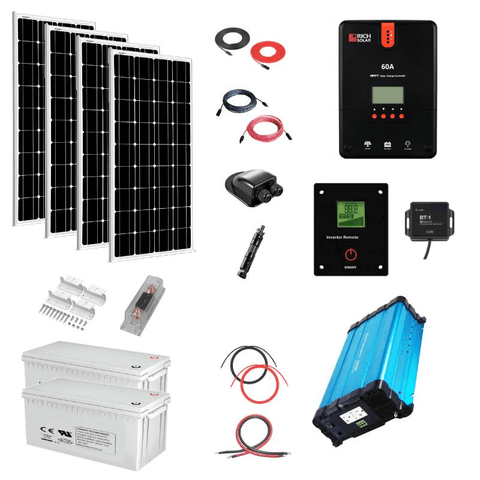
Imagine powering your home with clean, renewable energy straight from the sun. It’s an empowering thought, isn’t it?
Connecting a solar generator to your house can make this a reality. You may think this process is complicated or out of reach, but it’s simpler than you might imagine. Whether you’re looking to reduce your carbon footprint, cut down on electricity bills, or simply prepare for unexpected outages, integrating a solar generator into your home can be a game-changer.
In this guide, you’ll discover step-by-step instructions on how to connect a solar generator to your house safely and efficiently. You’ll learn the tools you need, the steps to follow, and some handy tips to make the process smoother. By the end, you’ll feel confident and ready to harness the power of the sun, turning your home into an eco-friendly haven. Keep reading to uncover the secrets of solar energy and transform your living space into a sustainable powerhouse.

Credit: shopsolarkits.com
Benefits Of Solar Generators
Solar generators are quietand clean. They don’t make much noise. They don’t produce smoke. This makes them great for the environment.
They use sunlight to make electricity. This means you don’t need gasoline or diesel. It’s a renewable source of energy.
Solar generators can lower your electric bills. They give you power without paying for it. Over time, this can save money.
They are easy to use. Just set them up where there’s sun. They start working on their own.
Solar generators are safe. There is no risk of fire from fuel. This makes them better for homes.
They are portable. You can move them anywhere. This is useful during camping or trips.
Choosing The Right Solar Generator
Check the power capacityof the solar generator. This tells you how much energy it can store. Ensure it can power your home’s essential devices. Think about lights, a fridge, and a fan. Most homes need at least 2000 watts. Some might need more. It depends on your energy use. Always choose a generator with a bit more capacity than you need.
Consider how portablethe solar generator is. Some are heavy and hard to move. Others are light and come with wheels. If you need to move it often, choose a light one. Check if it fits in your car. This is important for trips and emergencies.
Solar generators use different types of batteries. The most common are lead-acid and lithium-ion. Lithium-ionbatteries last longer and are lighter. Lead-acid batteries are cheaper but heavier. Choose a battery that fits your needs and budget.
Required Tools And Equipment
Essential tools include an inverter, transfer switch, and solar generator cables. Ensure compatibility with your home’s electrical system. Proper equipment ensures a safe and efficient connection.
Safety Gear
Wearing safety gearis essential. Use glovesto protect hands. Put on gogglesfor eye safety. Wear sturdy bootsto protect feet. A hard hatcan keep your head safe. This gear keeps you safe while working.
Connection Cables
Connection cables link the solar generatorto your house. Use thick cablesfor better energy flow. Ensure the cables are long enoughto reach. Check for any damagesbefore using. Keep the cables organizedto avoid tangles.
Transfer Switch
A transfer switch is very important. It helps control the power flow. Make sure the switch is compatiblewith the generator. Install the switch closeto the main panel. This makes it easy to manage the power source. Ensure the switch is easily accessiblefor quick changes.

Credit: www.youtube.com
Preparing Your Home For Connection
Connecting a solar generator to your house involves careful planning. Ensure compatibility between your generator and home’s electrical system. Follow safety guidelines and consult with a professional to make the process smooth and efficient.
Assessing Energy Needs
Check what devices need power from the solar generator. Make a list of essential appliances. This helps in choosing the right size generator. Calculate total power by adding each device’s wattage. Use this to decide generator capacity.
Identifying Connection Points
Find where to connect the solar generator. Check existing power outlets and circuit breaker locations. Identify safe and accessible points for connections. Make sure they are close to your generator.
Safety Precautions
Ensure proper grounding to avoid electrical shocks. Use insulated wires for safety. Keep the generator away from water. Read manuals for specific instructions. Always wear protective gear when working with electricity.
Connecting The Solar Generator
Ensure safety by turning off the main power supply. Connect the solar generator to your home’s electrical panel. Use an appropriate transfer switch to manage power flow efficiently.
Positioning The Generator
Choose a safe spot for the solar generator. It should be close to your home’s main power source. Make sure the area is dry and clean. The generator must sit on a flat, stable surface. Ensure there’s enough space around it for air to circulate. This helps keep the generator cool.
Wiring Setup
Connect the generator using heavy-duty cables. Safety is important, so wear insulated gloves. Attach one end of the cable to the generator. Connect the other end to your home’s main power inlet. Check that all connections are tight and secure. This prevents energy loss.
Testing The Connection
Turn on the solar generator. Check if it powers your home. Look at the lights and appliances. Everything should work as normal. If something is wrong, check the connections again. Ensure the cables are in the right place. Safety first, so turn off the generator before checking.
Maintaining Your Solar Generator
Connecting a solar generator to your house involves using a transfer switch. This device safely routes power from the generator to your home’s circuits. Ensure proper installation to prevent electrical hazards and maximize efficiency.
Regular Inspections
Check your solar generator regularly. Look for loose wires or connectors. Ensure all parts are clean and free from dust. Inspect the panels for cracks or damage. Make sure connections are secure and tight. Keep an eye on the power output levels.
Battery Care
Keep batteries charged and healthy. Avoid letting them drain completely. Use a battery charger to maintain charge levels. Store batteries in a cool, dry place. Check for any signs of leakage or corrosion. Replace old batteries promptly to ensure performance.
Troubleshooting Common Issues
- If the generator won’t start, check the battery.
- Look for loose wires or connectors.
- Inspect the solar panels for damage.
- Ensure the inverter is working properly.
- Consult the manual for specific error codes.
Tips For Optimal Use
Ensure a seamless connection by choosing compatible cables and connectors for your solar generator setup. Securely mount the inverter and ensure it’s appropriately rated for your home’s energy needs. Regularly inspect connections to maintain efficiency and prevent potential hazards.
Maximizing Efficiency
Ensure the solar generatoris placed in a sunny spot. Keep panels clean for better sun absorption. Use a solar trackerto follow the sun. Avoid running too many appliances at once.
Weather Considerations
Cloudy days mean less energy. Store extra power on sunny days. Be prepared for rainy weatherwith backup options. Wind can move panels; secure them tightly.
Energy Conservation Practices
- Turn off lights when not needed.
- Use energy-efficient appliances.
- Limit use of high-power devices.
- Save power for night time use.

Credit: www.instagram.com
Frequently Asked Questions
How Do You Connect A Solar Generator To Your House?
Connect a solar generator using a transfer switch. Ensure compatibility with your electrical system. Hire a certified electrician for installation. Follow all safety guidelines. Regularly check connections to prevent issues.
How Long Will A 1000 Watt Solar Generator Run A Refrigerator?
A 1000 watt solar generator can run a refrigerator for around 10-12 hours. This depends on the fridge’s energy consumption, typically averaging 100-400 watts per hour. Efficient models last longer. Power usage and generator capacity influence running time. Regular maintenance ensures optimal performance.
How Big Of A Solar Generator Do You Need To Power A House?
To power a house, you need a solar generator with at least 5,000 watts capacity. Calculate your home’s energy consumption by checking your monthly usage in kilowatt-hours (kWh). Larger homes may require generators with higher wattage for reliable power supply.
Consult a professional for precise calculations.
How To Connect A Portable Generator To Your House Without A Transfer Switch?
Use an interlock kit to connect your portable generator safely. Ensure all connections are secure and follow local regulations. Use heavy-duty extension cords for appliances. Never backfeed through a dryer outlet, as it is dangerous. Always consult a professional electrician for guidance to prevent hazards.
Conclusion
Connecting a solar generator to your house is straightforward. First, gather all necessary tools and equipment. Then, follow each step carefully for safety. Ensure all connections are secure and correct. A solar generator can power essential devices during outages. It also reduces electricity bills and environmental impact.
Regular maintenance keeps the system efficient. Always consult a professional for complex setups. Solar energy is a smart choice for sustainable living. Explore more about solar options for your home. Make the switch today for a brighter future.